









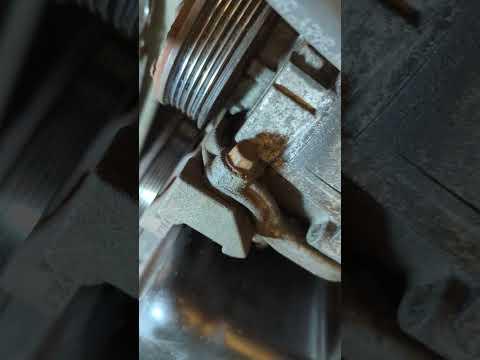







How to Replace the Alternator on a 2010-2017 Mitsubishi Lancer (Step-by-Step DIY Guide) (Engine: Inline 4 2.4L)
Tools, parts list, safety tips, belt routing notes, and charging-voltage checks after install
How to Replace the Alternator on a 2010-2017 Mitsubishi Lancer (Step-by-Step DIY Guide) (Engine: Inline 4 2.4L)
Tools, parts list, safety tips, belt routing notes, and charging-voltage checks after install for 2010, 2011, 2013, 2014, 2015, 2016, 2017


🔧 Lancer - Alternator Replacement
The alternator charges the battery and powers the electrical system while the engine runs. Replacing it means disconnecting the battery, removing the drive belt (the “serpentine belt,” which spins engine accessories), swapping the alternator, then reinstalling and checking charging voltage.
Difficulty Level: Intermediate | Estimated Time: 2-4 hours
Assumption: Stock 2.4L layout with factory belt routing label.
⚠️ Safety & Precautions
- ⚠️ Disconnect the negative battery cable first to prevent shorts.
- ⚠️ Never let a tool touch the alternator B+ terminal and metal at the same time (B+ is the main power stud).
- ⚠️ Support the car with jack stands if you go underneath; never rely on a jack alone.
- ⚠️ Keep fingers clear of the belt path; the tensioner is spring-loaded.
- ⚠️ Let the engine cool before working near the radiator and exhaust.
🔧 Required Tools
You'll need the following tools for this repair:
- Safety glasses
- Mechanic gloves
- Floor jack (rated 2-ton minimum)
- Jack stands (rated 2-ton minimum)
- Wheel chocks
- Metric socket set (8mm-19mm)
- 10mm socket
- 12mm socket
- 14mm socket
- 17mm socket
- 3/8" ratchet
- 3/8" breaker bar
- 3" and 6" socket extensions
- Metric combination wrench set (10mm-17mm)
- Flathead screwdriver
- Trim clip removal tool
- Torque wrench (10-150 ft-lbs range)
- Multimeter
- Flashlight
🔩 Required Parts
HowToo sells all the parts you need for this repair:
- Alternator - Qty: 1
- Serpentine belt - Qty: 1
- Battery terminal anti-corrosion grease - Qty: 1
📋 Before You Begin
- Park on level ground, shift to Park, and set the parking brake.
- Open the hood and make sure the key is out of the car.
- Disconnect the battery: use a 10mm socket to remove the negative (-) terminal first, then isolate it so it can’t spring back.
- Take a quick photo of the belt routing label (usually on the radiator support). This helps you reinstall the belt correctly.
🔨 Step-by-Step Instructions
Follow these steps in order:
Step 1: Remove top covers and intake ducting (if equipped)
- Use a flathead screwdriver to loosen hose clamps on the intake duct.
- Use a 10mm socket to remove any bolts holding the air snorkel/duct or engine cover.
- Lift the ducting out and set it aside so you can reach the belt and alternator.
Step 2: Raise the front (if you need lower access)
- Place wheel chocks behind the rear wheels.
- Lift the front with a floor jack at the front jacking point.
- Set the car down securely on jack stands.
Step 3: Remove the lower splash shield (if equipped)
- Use a trim clip removal tool to pop out plastic clips.
- Use a 10mm socket to remove any small bolts.
- Lower the shield and set it aside.
Step 4: Release serpentine belt tension
- The tensioner is spring-loaded (it keeps the belt tight automatically).
- Fit a 14mm socket on the belt tensioner bolt and pull using a breaker bar to rotate the tensioner away from the belt.
- While holding tension off, slide the belt off the alternator pulley by hand.
- Slowly release the tensioner back to rest.
- Tip: Don’t fully remove the belt yet.
Step 5: Unplug alternator electrical connections
- Locate the alternator’s small connector plug and press the tab to unplug it (use a flathead screwdriver gently if it’s stuck).
- Remove the rubber boot over the main power stud (B+).
- Use a 12mm socket to remove the nut on the B+ stud, then lift the cable off and tuck it aside so it can’t touch metal.
- Tip: Bag the nut so it can’t get lost.
Step 6: Remove alternator mounting bolts
- Support the alternator with one hand as you loosen bolts so it doesn’t drop suddenly.
- Use a 14mm socket, ratchet, and extensions to remove the alternator mounting bolts (typically an upper pivot bolt and a lower bolt).
- If a bolt is tight, switch to a breaker bar for controlled leverage.
Step 7: Remove the alternator from the engine bay
- Work the alternator out of the bracket area. You may need to rotate it to clear hoses and the frame.
- If it won’t clear from the top, guide it out from below (keep your hands clear of pinch points).
Step 8: Install the new alternator
- Set the new alternator into position and hand-start the mounting bolts to avoid cross-threading.
- Tighten mounting bolts with a 14mm socket and ratchet.
- Finish with a torque wrench: Torque to OEM specification.
- Tip: If bolts don’t start by hand, realign alternator.
Step 9: Reconnect alternator wiring
- Install the main B+ cable onto the stud and thread the nut on by hand first.
- Tighten the B+ nut using a 12mm socket: Torque to OEM specification.
- Reinstall the rubber boot over the B+ terminal.
- Plug the alternator connector back in until it clicks.
Step 10: Reinstall the serpentine belt
- Route the belt exactly like the under-hood diagram.
- Use a 14mm socket and breaker bar to rotate the tensioner and slip the belt over the alternator pulley last.
- Release the tensioner slowly.
- Visually check the belt sits fully in every pulley groove.
Step 11: Reinstall splash shield and intake ducting
- Reinstall the lower splash shield using a trim clip removal tool for clips and a 10mm socket for bolts.
- Reinstall intake ducting and tighten clamps using a flathead screwdriver.
Step 12: Reconnect the battery
- Clean the battery terminals if needed, then apply battery terminal anti-corrosion grease.
- Reconnect the negative (-) terminal using a 10mm socket.
✅ After Repair
- Start the engine and listen for belt squeal or rubbing. Shut off immediately if you hear grinding or see belt misalignment.
- Use a multimeter at the battery terminals:
- Engine off: typically ~12.4-12.7V on a healthy battery.
- Engine running: typically ~13.5-14.7V if the alternator is charging.
- Recheck that the B+ boot is covering the power stud and that wiring is clipped away from the belt.
- Take a short test drive, then do a quick re-check for any loose fasteners or belt tracking issues.
💰 DIY vs Shop Cost
Shop Cost: $450-$850 (parts + labor)
DIY Cost: $180-$450 (parts only)
You Save: $270-$400 by doing it yourself!
Shop labor rates vary but typically run $100-$150/hour. This repair takes a shop approximately 2-3 hours.
🎯 Ready to get started?
HowToo makes it easy: same-day/2-day shipping on every part, plus all the tools and specialty tools you need! Check out the parts and tools sections below to add everything to your cart.