












How to Replace the Alternator on a 2006-2013 Subaru Forester (DIY Guide) (Engine: Flat 4 2.5L)
Step-by-step instructions with required tools/parts, belt tensioning tips, and key torque specs
How to Replace the Alternator on a 2006-2013 Subaru Forester (DIY Guide) (Engine: Flat 4 2.5L)
Step-by-step instructions with required tools/parts, belt tensioning tips, and key torque specs for 2006, 2007, 2008, 2009, 2010, 2011, 2012, 2013


🔧 Forester - Alternator Replacement
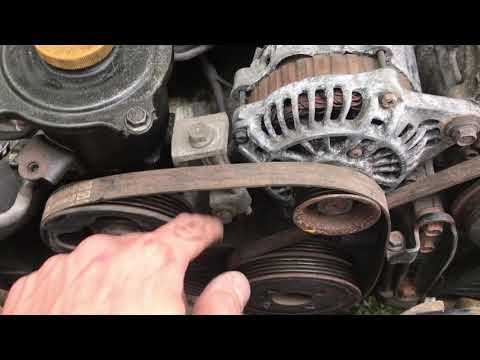
The alternator charges the battery and powers your Forester’s electrical system while the engine runs. On your Forester, the alternator is belt-driven at the front of the engine, so the job mainly involves loosening the belt, swapping the alternator, then setting belt tension correctly.
Difficulty Level: Intermediate | Estimated Time: 1.5-3.0 hours
⚠️ Safety & Precautions
- ⚠️ Disconnect the battery negative terminal first to prevent a short (the alternator “B+” stud is always hot if the battery is connected).
- ⚠️ Let the engine cool before working near the radiator fans and turbo-area heat.
- ⚠️ Never pry on aluminum parts aggressively; brackets can crack.
- ⚠️ Keep tools away from the alternator electrical studs; accidental contact can melt tools/wiring.
🔧 Required Tools
You'll need the following tools for this repair:
- 10mm socket
- 12mm socket
- 14mm socket
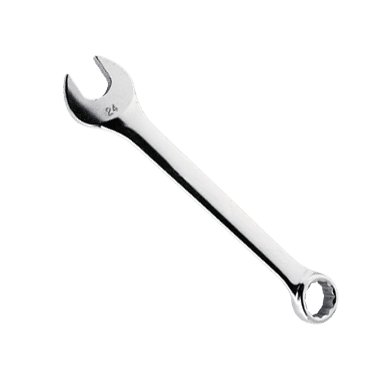
- 10mm combination wrench
- 12mm combination wrench
- 14mm combination wrench
- 3/8" drive ratchet
- 3/8" drive extension set
- Torque wrench (10–80 ft-lb range)
- Flat trim tool
- Needle-nose pliers
- Small pick tool
- Work light
- Nitrile gloves
- Safety glasses
🔩 Required Parts
HowToo sells all the parts you need for this repair:
- Alternator - Qty: 1
- Alternator/Power steering drive belt - Qty: 1
- Dielectric grease - Qty: 1
📋 Before You Begin
- 🧰 Park on level ground, shift to Park, and open the hood.
- 🧰 Take a quick photo of the belt routing before removal.
- 🔋 Disconnect the battery: use a 10mm wrench to remove the negative (-) terminal and isolate it so it can’t spring back.
🔨 Step-by-Step Instructions
Follow these steps in order:
Step 1: Remove the intake snorkel/ducting (for working room)
- Use a flat trim tool to pop any plastic clips.
- Use a 10mm socket to remove any retaining bolts, then lift the duct out.
Step 2: Loosen the alternator belt tension
- Locate the alternator adjustment hardware at the front of the alternator.
- Use a 12mm socket (or 12mm wrench) to loosen the alternator lock bolt(s) (do not remove them yet).
- Use a 12mm socket to turn the belt adjuster bolt to relieve tension until the belt slips off the alternator pulley.
- If the belt is cracked, replace it.
Step 3: Disconnect alternator electrical connections
- Remove the rubber protective cap from the alternator output stud (the “B+ terminal,” meaning the main battery-positive output).
- Use a 10mm socket to remove the B+ terminal nut, then pull the ring terminal off.
- Unplug the alternator connector by pressing the tab; use a small pick tool gently if it’s stuck.
- When reinstalling the B+ nut later: Torque to 7.5 N·m (66 in-lb).
Step 4: Remove the alternator mounting bolts
- Support the alternator with one hand.
- Use a 14mm socket and ratchet to remove the main pivot/mount bolt(s), then lift the alternator out.
- Keep bolts in order for reassembly.
Step 5: Install the new alternator
- Set the new alternator into the bracket and start the mounting bolts by hand.
- Use a 14mm socket to tighten the alternator mounting/pivot bolt(s): Torque to 45 N·m (33 ft-lb).
- Use a 12mm socket to tighten the adjuster lock bolt(s): Torque to 18 N·m (13 ft-lb).
Step 6: Reconnect alternator wiring
- Plug in the alternator connector until it clicks.
- Install the B+ ring terminal and nut using a 10mm socket, then Torque to 7.5 N·m (66 in-lb).
- Apply a small amount of dielectric grease inside the rubber cap and reinstall the cap over the B+ stud.
Step 7: Reinstall the belt and set belt tension
- Route the belt correctly on the pulleys using your photo as a guide.
- Use a 12mm socket to turn the adjuster bolt to tension the belt.
- After tensioning, use a 12mm socket to tighten the lock bolt(s): Torque to 18 N·m (13 ft-lb).
- Too tight can kill bearings.
Step 8: Reinstall the intake snorkel/ducting
- Reinstall the ducting and clips using a 10mm socket and flat trim tool.
Step 9: Reconnect the battery
- Reconnect the negative (-) terminal using a 10mm wrench and tighten snugly.
✅ After Repair
- 🔍 Start the engine and confirm the belt runs smoothly with no squeal or wobble.
- 🔍 Check that the battery/charging warning light stays off.
- 🔍 If you have a multimeter: measure battery voltage at idle; you typically want about 13.5–14.7V with the engine running.
- 🔍 Recheck belt tension after a short test drive; new belts can stretch slightly.
💰 DIY vs Shop Cost
Shop Cost: ₹18,000-₹35,000 (parts + labor)
DIY Cost: ₹8,000-₹22,000 (parts only)
You Save: ₹10,000-₹13,000 by doing it yourself!
Shop labor rates vary but typically run $100-$150/hour. This repair takes a shop approximately 1.5-3.0 hours.
🎯 Ready to get started?
HowToo makes it easy: same-day/2-day shipping on every part, plus all the tools and specialty tools you need! Check out the parts and tools sections below to add everything to your cart.
Guide for Alternator replace for these Subaru vehicles
| Year Make Model | Sub Model | Engine | Body Style |
|---|---|---|---|
| 2013 Subaru Forester | - | Flat 4 2.5L | - |
| 2012 Subaru Forester | - | Flat 4 2.5L | - |
| 2011 Subaru Forester | - | Flat 4 2.5L | - |
| 2010 Subaru Forester | - | Flat 4 2.5L | - |
| 2009 Subaru Forester | - | Flat 4 2.5L | - |
| 2008 Subaru Forester | - | Flat 4 2.5L | - |
| 2007 Subaru Forester | - | Flat 4 2.5L | - |
| 2006 Subaru Forester | - | Flat 4 2.5L | - |