













How to Replace the Alternator on a 2005-2015 Toyota Tacoma (Engine: Inline 4 2.7L)
Step-by-step DIY guide with tools, parts, torque specs, belt routing, and safety tips
How to Replace the Alternator on a 2005-2015 Toyota Tacoma (Engine: Inline 4 2.7L)
Step-by-step DIY guide with tools, parts, torque specs, belt routing, and safety tips for 2005, 2006, 2007, 2008, 2009, 2010, 2011, 2012, 2013, 2014, 2015


🔧 Tacoma - Alternator Replacement
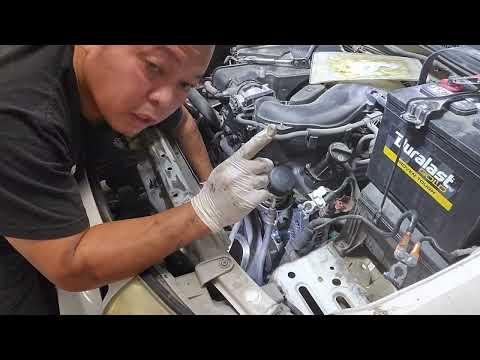
Replacing the alternator on your Tacoma involves disconnecting the battery, removing the serpentine belt, unplugging the alternator wiring, and swapping the alternator from the front of the engine. The alternator charges the battery and powers electrical systems while the engine is running.
Difficulty Level: Intermediate | Estimated Time: 1.5-2.5 hours
⚠️ Safety & Precautions
- ⚠️ Disconnect the negative battery cable before touching the alternator wiring to prevent short circuits.
- ⚠️ Let the engine cool fully before working near the belt, pulleys, and radiator fan.
- ⚠️ Keep fingers, tools, and clothing away from the serpentine belt path.
- ⚠️ Do not pry against the radiator or plastic fan shroud.
- ⚠️ The serpentine belt tensioner is spring-loaded; move it slowly and keep a firm grip on the tool.
🔧 Required Tools
You'll need the following tools for this repair:
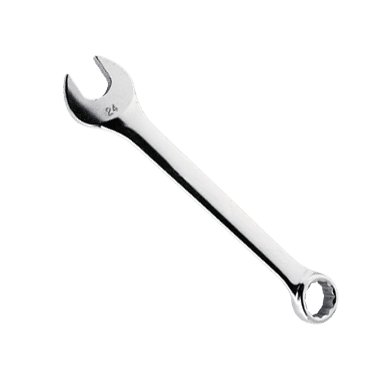
- 10mm wrench
- 10mm socket
- 12mm socket
- 14mm socket
- 3/8-inch drive ratchet
- 3/8-inch drive breaker bar
- 3/8-inch drive extension set
- Serpentine belt tool (specialty)
- Trim clip removal tool
- Small flathead screwdriver
- Torque wrench rated 10-80 ft-lbs
- Battery terminal brush
- Safety glasses
- Mechanic gloves
🔩 Required Parts
HowToo sells all the parts you need for this repair:
- Alternator - Qty: 1
- Serpentine belt - Qty: 1
- Battery terminal anti-corrosion protectant - Qty: 1
📋 Before You Begin
- Park your Tacoma on level ground and set the parking brake.
- Shift the manual transmission into 1st gear.
- Open the hood and let the engine cool completely.
- Take a picture of the serpentine belt routing before removing it. The serpentine belt is the single long belt that drives the alternator, power steering pump, and other accessories.
- Disconnect the negative battery cable before starting. Negative is usually marked with a minus sign.
🔨 Step-by-Step Instructions
Follow these steps in order:
Step 1: Disconnect the Battery
- Use a 10mm wrench to loosen the negative battery terminal clamp.
- Lift the negative cable off the battery post and move it aside so it cannot spring back.
- Use a battery terminal brush to clean heavy corrosion if present.
- Always remove negative first.
Step 2: Remove the Engine Cover if Equipped
- Use a 10mm socket and 3/8-inch drive ratchet to remove any engine cover fasteners if your Tacoma has a cover installed.
- Lift the cover straight up and set it aside.
Step 3: Release the Serpentine Belt Tension
- Locate the belt tensioner on the front of the engine. The tensioner is a spring-loaded pulley that keeps the belt tight.
- Use a serpentine belt tool or 3/8-inch drive breaker bar on the tensioner fitting.
- Rotate the tensioner slowly to relieve belt tension.
- Slide the belt off the alternator pulley with your free hand.
- Slowly release the tensioner back to its resting position.
- Do not let the tensioner snap back.
Step 4: Remove the Serpentine Belt
- Use your belt routing photo as a reference.
- Pull the serpentine belt out from around the pulleys by hand.
- Inspect the belt for cracks, glazing, fraying, or missing ribs.
- If replacing the belt, compare the new serpentine belt to the old one before installation.
Step 5: Disconnect the Alternator Electrical Connector
- Find the small electrical plug on the rear of the alternator.
- Use your fingers or a small flathead screwdriver to gently press the locking tab.
- Pull the connector straight off the alternator.
- Do not pull on the wires.
Step 6: Remove the Alternator Main Power Cable
- Lift the rubber protective boot from the alternator output terminal.
- Use a 10mm socket and 3/8-inch drive ratchet to remove the nut holding the main power cable.
- Move the cable aside carefully.
- Reinstalling later: Torque to 9 Nm (80 in-lbs).
Step 7: Remove the Alternator Mounting Bolts
- Support the alternator with one hand.
- Use a 14mm socket, 3/8-inch drive ratchet, and 3/8-inch drive extension to remove the main alternator mounting bolt.
- Use a 12mm socket and 3/8-inch drive ratchet to remove the smaller alternator bracket bolt if equipped.
- Keep the bolts organized so they go back in the same locations.
Step 8: Remove the Old Alternator
- Wiggle the alternator gently by hand to loosen it from the bracket.
- If it is stuck, use a trim clip removal tool carefully as a light pry tool at the metal mounting ear only.
- Lift the alternator out through the top of the engine bay.
- Work slowly around hoses and wiring.
Step 9: Compare the New Alternator
- Place the old and new alternator side by side.
- Check that the pulley, electrical connector, mounting ears, and power terminal location match.
- Do not install it if the connector or mounting points are different.
Step 10: Install the New Alternator
- Lower the new alternator into position by hand.
- Start all mounting bolts by hand first to avoid cross-threading. Cross-threading means the bolt is going in crooked and damaging the threads.
- Use a 14mm socket, 12mm socket, 3/8-inch drive ratchet, and torque wrench rated 10-80 ft-lbs to tighten the alternator mounting bolts.
- Torque main alternator mounting bolt to 54 Nm (40 ft-lbs).
- Torque smaller bracket bolt to 25 Nm (18 ft-lbs).
Step 11: Reconnect the Alternator Wiring
- Place the main power cable back onto the alternator output stud.
- Use a 10mm socket and torque wrench rated 10-80 ft-lbs carefully on the terminal nut.
- Torque to 9 Nm (80 in-lbs).
- Push the rubber protective boot fully over the terminal.
- Plug in the small electrical connector until it clicks.
Step 12: Install the Serpentine Belt
- Route the serpentine belt around the pulleys using your photo as a guide.
- Leave the alternator pulley for last because it is easy to reach.
- Use the serpentine belt tool or 3/8-inch drive breaker bar to rotate the tensioner.
- Slide the belt over the alternator pulley.
- Slowly release the tensioner.
- Check that the belt ribs sit fully inside every grooved pulley.
- One rib off can shred the belt.
Step 13: Reinstall the Engine Cover if Removed
- Set the engine cover back into place.
- Use a 10mm socket and 3/8-inch drive ratchet to reinstall the fasteners.
- Snug the fasteners only; do not overtighten plastic cover hardware.
Step 14: Reconnect the Battery
- Apply battery terminal anti-corrosion protectant to the clean battery terminal if desired.
- Place the negative battery cable back onto the negative battery post.
- Use a 10mm wrench to tighten the terminal clamp.
- Torque to 5 Nm (44 in-lbs) if using a torque wrench on a compatible terminal fastener.
- Make sure the cable does not twist or move by hand.
✅ After Repair
- Start your Tacoma and listen for belt squeal, clicking, or rubbing sounds.
- Look at the serpentine belt while the engine idles and confirm it tracks straight on all pulleys.
- Check that the battery warning light turns off after startup.
- If you have a multimeter, test battery voltage at idle. A healthy charging system is usually about 13.5-14.8 volts.
- Turn on headlights, blower fan, and rear defrost, then confirm the engine continues to idle normally.
- After a short drive, shut the engine off and recheck that the battery terminal and alternator wiring are secure.
💰 DIY vs Shop Cost
Shop Cost: $450-$800 parts + labor
DIY Cost: $180-$450 parts only
You Save: $270-$350 by doing it yourself!
Shop labor rates vary but typically run $100-$150/hour. This repair takes a shop approximately 1.0-1.5 hours.
🎯 Ready to get started?
HowToo makes it easy: same-day/2-day shipping on every part, plus all the tools and specialty tools you need! Check out the parts and tools sections below to add everything to your cart.
Guide for Alternator replace for these Toyota vehicles
| Year Make Model | Sub Model | Engine | Body Style |
|---|---|---|---|
| 2015 Toyota Tacoma | - | V6 4.0L | - |
| 2014 Toyota Tacoma | - | V6 4.0L | - |
| 2013 Toyota Tacoma | - | V6 4.0L | - |
| 2012 Toyota Tacoma | - | V6 4.0L | - |
| 2011 Toyota Tacoma | - | V6 4.0L | - |
| 2010 Toyota Tacoma | - | V6 4.0L | - |
| 2009 Toyota Tacoma | - | V6 4.0L | - |
| 2008 Toyota Tacoma | - | V6 4.0L | - |
| 2007 Toyota Tacoma | - | V6 4.0L | - |
| 2006 Toyota Tacoma | - | V6 4.0L | - |
| 2005 Toyota Tacoma | - | V6 4.0L | - |