














How to Replace the A/C Compressor on a 2022 Toyota Tacoma
Step-by-step DIY Tacoma A/C compressor replacement with tools, parts list, safety precautions, and recharge instructions for 2016, 2017, 2018, 2019, 2020, 2021, 2022, 2023
How to Replace the A/C Compressor on a 2022 Toyota Tacoma
Step-by-step DIY Tacoma A/C compressor replacement with tools, parts list, safety precautions, and recharge instructions for 2016, 2017, 2018, 2019, 2020, 2021, 2022, 2023


🔧 Tacoma - A/C Compressor Replacement
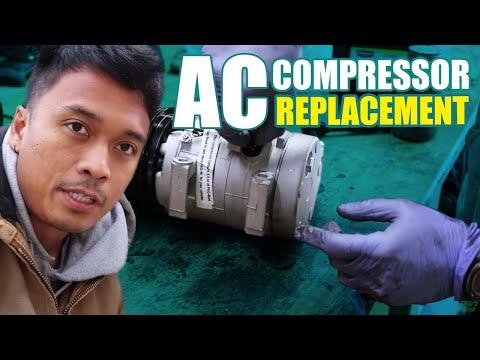
You’ll be removing the old A/C compressor from your Tacoma and installing a new one, then having the system vacuumed and recharged. This is an advanced job because it involves the refrigerant system, drive belt, and working under the truck.
Difficulty Level: Advanced | Estimated Time: 4-6 hours (plus shop time for evac/recharge)
⚠️ Safety & Precautions
- ⚠️ Do NOT vent refrigerant to the air. In most countries this is illegal and can cause frostbite and breathing issues. Have a shop recover the refrigerant before you disconnect any A/C lines.
- ⚠️ Refrigerant systems are under high pressure; only disconnect lines after the system has been professionally evacuated to 0 psi.
- ⚠️ Work under the Tacoma only when it is securely supported on jack stands, never on a jack alone.
- ⚠️ Let the engine cool fully before working near the serpentine belt area or exhaust parts.
- ⚠️ Disconnect the negative battery cable before unplugging the compressor electrical connector to avoid shorts.
- ⚠️ Wear safety glasses and gloves to protect from debris, sharp edges, and residual oil or refrigerant.
- ⚠️ After compressor replacement, the system must be vacuumed and recharged with the exact specified R-134a amount and new PAG oil by a shop or with proper A/C equipment.
🔧 Required Tools
You'll need the following tools for this repair:
- Floor jack (rated 3-ton minimum)
- Jack stands (rated 3-ton minimum, Qty: 2-4)
- Wheel chocks
- 10mm socket
- 12mm socket
- 14mm socket
- 17mm socket
- 3/8" drive ratchet
- 1/2" drive ratchet
- 3/8" drive torque wrench (5-80 ft-lbs range)
- 1/2" drive torque wrench (20-150 ft-lbs range)
- 3/8" drive extension set (3", 6")
- Serpentine belt tool or long 1/2" breaker bar
- Flat blade screwdriver (medium)
- Trim clip removal tool
- Pry bar (small)
- Line wrench set (metric)
- Pick set (for O-rings)
- Drain pan
- Shop rags
- Flashlight or work light
- AC manifold gauge set (R-134a) (specialty)
- Vacuum pump for A/C systems (specialty)
- Refrigerant recovery machine (specialty) or access to a shop
- Safety glasses
- Mechanic gloves
🔩 Required Parts
HowToo sells all the parts you need for this repair:
- A/C compressor (new, not reman) - Qty: 1
- A/C compressor mounting bolt set (if not included) - Qty: 1 set
- A/C O-ring kit for compressor connections (Toyota-specific) - Qty: 1 kit
- PAG A/C compressor oil (Toyota-spec type and viscosity) - Qty: As specified by manufacturer
- R-134a refrigerant - Qty: As specified on under-hood label
- Serpentine drive belt - Qty: 1 (recommended while you’re in there)
- A/C system flush solvent - Qty: As required (only if flushing per shop/manual)
- Dielectric grease for electrical connector - Qty: small tube
📋 Before You Begin
- Park the Tacoma on level ground, set the parking brake, and chock the rear wheels.
- Have a local A/C shop recover the refrigerant from your system. Tell them you’re replacing the compressor and will return later for a vacuum and recharge.
- Locate the A/C information label under the hood; note the exact refrigerant amount and oil type listed.
- Open the hood and keep the key out of the ignition to prevent the engine from starting while you work.
- Disconnect the negative battery terminal using a 10mm socket.
- Gather all tools and parts before lifting the Tacoma to reduce trips in and out from under the truck.
🔨 Step-by-Step Instructions
Follow these steps in order:
Step 1: Safely lift and support the Tacoma (if needed)
- Use a floor jack (3-ton) under the front crossmember to raise the front of the Tacoma if you need better access from below.
- Place jack stands (3-ton) under the frame rails and lower the truck onto the stands. Make sure the truck is stable before going underneath.
- Give the truck a strong push test for stability.
Step 2: Remove any lower splash shields
- Under the front, locate the plastic or metal splash shields that block access to the compressor.
- Use a 10mm socket and trim clip removal tool to remove bolts and clips holding the shields.
- Set all hardware aside in a small tray so you don’t lose it.
Step 3: Remove the serpentine belt
- Note or photograph the belt routing before removal. Photo helps a lot later.
- Locate the belt tensioner on the front of the engine.
- Use a serpentine belt tool or long 1/2" breaker bar on the tensioner to rotate it and relieve belt tension.
- While holding the tensioner, slip the belt off the A/C compressor pulley, then slowly release the tensioner.
- Remove the belt completely if you are replacing it. If reusing, lay it aside in the same orientation.
Step 4: Disconnect the compressor electrical connector
- From underneath or through the wheel well, locate the A/C compressor on the lower front of the engine.
- Find the electrical connector on the compressor.
- Press the tab and pull the connector off by hand. If stuck, use a flat blade screwdriver gently on the tab.
- Inspect the connector for corrosion; clean with a rag if needed.
Step 5: Prepare to disconnect A/C lines
- Confirm the system has been professionally evacuated. There should be no pressure on the service ports.
- Place a drain pan under the compressor area to catch any oil that may drip.
- Spray a little penetrating oil on the A/C line fitting bolts if they look corroded and let it soak a few minutes.
Step 6: Disconnect A/C lines from the compressor
- Use the correct size line wrench set (metric) or socket (typically 10mm or 12mm) on the line flange bolts at the compressor.
- Carefully loosen and remove the bolts, then gently wiggle the lines free. If stuck, use a small pry bar very gently at the flange.
- Immediately cover open line ends and compressor ports with clean shop rags to keep dirt and moisture out.
- Remove the old O-rings from the line ends using a pick tool. Do not scratch the metal sealing surfaces.
Step 7: Remove the compressor mounting bolts
- Locate the compressor mounting bolts (usually 3-4) holding it to the engine bracket.
- Use a 14mm socket with a 3/8" ratchet and extensions as needed to loosen and remove the bolts.
- Support the compressor with your hand as you remove the last bolt so it doesn’t drop.
- Lower the compressor out of the engine bay from below.
Step 8: Prepare the new compressor
- Check that the new compressor matches the old one (mounting points, pulley, connector).
- Check the instructions that come with the new compressor for oil amount. Many new compressors come with oil pre-filled; some do not.
- If oil adjustment is required, drain the shipping oil into a measuring container, then add the correct amount/type of PAG oil per the instructions and factory spec.
- Rotate the compressor clutch/pulley by hand a few turns to distribute the oil.
Step 9: Install the new compressor
- Position the new compressor in place on the engine bracket from below.
- Install the mounting bolts by hand to avoid cross-threading.
- Use a 14mm socket and 3/8" ratchet to snug all bolts evenly.
- Use a 3/8" drive torque wrench to tighten all compressor mounting bolts to manufacturer torque specification. Consult a repair manual or trusted database for the exact value.
Step 10: Install new O-rings and reconnect A/C lines
- Lightly coat new O-rings from your A/C O-ring kit with clean PAG oil.
- Install the new O-rings onto the line ends; make sure they sit flat and are not twisted.
- Align the lines with the compressor ports and seat them squarely.
- Install the line flange bolts by hand first, then tighten with a 10mm or 12mm socket.
- Use a 3/8" drive torque wrench to tighten to manufacturer torque specification. Do not overtighten; these bolts strip easily.
Step 11: Reconnect the electrical connector
- Apply a tiny amount of dielectric grease to the compressor connector terminals if available.
- Push the connector onto the compressor until it clicks.
- Gently tug to confirm it is locked in place.
Step 12: Install the serpentine belt
- Route the belt according to your earlier photo or the under-hood diagram.
- Use the serpentine belt tool or 1/2" breaker bar to rotate the tensioner and slip the belt over the last pulley.
- Release the tensioner slowly and check that the belt is centered on all pulley grooves.
- Double-check routing before starting the engine.
Step 13: Reinstall splash shields and lower the Tacoma
- Reinstall any lower splash shields using a 10mm socket and trim clip tool.
- Remove the jack stands and lower the Tacoma with the floor jack.
Step 14: Reconnect battery and prepare for recharge
- Reconnect the negative battery terminal with a 10mm socket and tighten to snug (do not overtighten).
- Do not turn the A/C on yet; the system is still empty.
- At this point, either:
- Drive carefully to an A/C shop for vacuum and recharge, or
- Use your own AC manifold gauge set and vacuum pump following proper procedures if you are equipped and trained.
Step 15: Evacuate and recharge the system
- Connect the AC manifold gauge set to the high and low service ports and the vacuum pump to the center hose.
- Open both valves and run the vacuum pump for at least 30–45 minutes to remove air and moisture.
- Close the valves, shut off the pump, and confirm the system holds vacuum for at least 10–15 minutes. If vacuum drops, there is a leak that must be fixed before charging.
- Charge the system with the exact amount of R-134a listed on the under-hood label, following safe charging procedures. Many DIYers have a shop perform this step.
✅ After Repair
- Start the engine and let it idle with A/C off for a minute to circulate oil.
- Turn A/C on MAX, fan high, and check that the compressor engages smoothly and there are no unusual noises.
- Check for cold air at the vents and look under the hood for any visible leaks at the compressor fittings.
- Verify the serpentine belt is running smoothly and centered on all pulleys.
- After a short drive, recheck around the compressor and lines for oil or refrigerant residue.
💰 DIY vs Shop Cost
Shop Cost: $1,100-$1,600 (parts + labor + evac/recharge)
DIY Cost: $400-$750 (compressor, belt, O-rings, plus evac/recharge fee)
You Save: $350-$900 by doing the mechanical work yourself!
Shop labor rates vary but typically run $100-$150/hour. This repair takes a shop approximately 3-4 hours plus A/C machine time.
🎯 Ready to get started?
HowToo makes it easy: same-day/2-day shipping on every part, plus all the tools and specialty tools you need! Check out the parts and tools sections above to add everything to your cart.