













How to Replace the A/C Compressor on a 2020 Ram 1500 Classic
Step-by-step DIY compressor swap with tools, parts list, torque specs, and recharge tips for 2019, 2020, 2021, 2022, 2023, 2024
How to Replace the A/C Compressor on a 2020 Ram 1500 Classic
Step-by-step DIY compressor swap with tools, parts list, torque specs, and recharge tips for 2019, 2020, 2021, 2022, 2023, 2024


1500 Classic - A/C Compressor Replacement ❄️
Replacing the A/C compressor on your 1500 is a medium‑level job because it involves the serpentine belt, refrigerant, and tight spaces. I’ll walk you through it step by step.
First, two quick questions:
- 🧊 Is your A/C system still charged with refrigerant (blows cold at all / no one has recovered it yet)?
- 🧰 Do you plan to replace just the compressor, or compressor + accumulator/receiver-drier + orifice tube/expansion valve as a kit?
I’ll assume you want to do it correctly with a new compressor, new PAG oil, and a system evacuation/recharge. If you answer differently, I can adjust.
1500 Classic - Safety & Legal Warnings ⚠️
- ⚠️ Refrigerant handling: It is illegal and dangerous to vent R‑134a to the atmosphere. The system must be evacuated with a proper A/C recovery machine at a shop.
- ⚠️ Engine off & cool: Work only with the engine off, key out, and engine cool.
- ⚠️ Battery: Disconnect the negative battery cable before unplugging the compressor.
- ⚠️ Eye protection: Always wear safety glasses; refrigerant can cause severe frostbite.
1500 Classic - Parts You Should Replace 🧩
- 🧊 A/C compressor (5.7L specific, with clutch)
- 🧊 New PAG oil (correct type and quantity for your compressor; usually PAG 46 or 100, check compressor label)
- 🧊 Receiver-drier / accumulator (often integrated in the condenser on these trucks; replace if service manual specifies)
- 🧊 Orifice tube or expansion valve (depending on system design; replace if accessible)
- 🧊 New O‑rings for A/C line connections (green HNBR type, A/C‑rated)
- 🧊 Serpentine belt (optional but recommended if worn or cracked)
1500 Classic - Tools You’ll Need 🛠️
- 🛠️ Basic socket set (metric):
- Common sizes: 10 mm, 13 mm, 15 mm sockets
- 3/8" ratchet and short extensions
- 🛠️ Serpentine belt tool or long-handled 3/8" or 1/2" ratchet Serpentine belt tool is a thin, long bar that helps release belt tension in tight spaces.
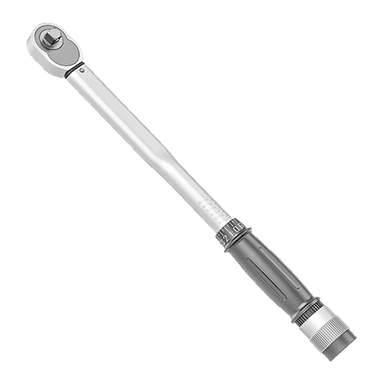
- 🛠️ Torque wrench (3/8" drive, 10–80 ft‑lb range)
- 🛠️ Line / flare nut wrenches for A/C fittings (to avoid rounding fittings)
- 🛠️ Pick tool for removing O‑rings A small hooked tool to lift O‑rings without scratching metal.
- 🛠️ A/C manifold gauge set (for checking pressures after recharge)
- 🛠️ Vacuum pump (to evacuate air and moisture from the system)
- 🛠️ Catch pan and rags
- 🛠️ Plastic trim tool (if you need to move any covers or shields)
If you don’t have a vacuum pump and gauges, you can still do the mechanical part and then have a shop evacuate and recharge the system.
1500 Classic - Compressor Location 🔍
- 🧭 On the 5.7L, the A/C compressor is mounted low on the front of the engine, passenger side, driven by the serpentine belt.
1500 Classic - Preparation Steps 🧼
- 🧊 Step 1 – Recover refrigerant (shop step)
- Take the truck to a shop and ask them to recover the refrigerant only, no repairs.
- Have them leave the system empty and capped; drive home and do not run the A/C.
- 🔋 Step 2 – Disconnect battery
- Open hood.
- Use a 10 mm wrench to disconnect the negative battery terminal and secure it away from the post.
- 🚙 Step 3 – Raise front (optional but helpful)
- Park on level ground, set parking brake.
- Use a floor jack under the front crossmember and raise slightly.
- Support with jack stands under the frame rails.
1500 Classic - Remove Serpentine Belt 🔄
- 🛠️ Step 4 – Note belt routing
- There should be a belt routing diagram sticker under the hood. If not, take a clear photo.
- 🛠️ Step 5 – Release belt tension
- Locate the belt tensioner (spring-loaded pulley).
- Use the serpentine belt tool or long ratchet on the tensioner’s square drive or bolt head.
- Rotate the tensioner to relieve tension and slide the belt off the compressor pulley first.
- Let the tensioner return slowly; remove the belt fully if you’re replacing it.
1500 Classic - Disconnect A/C Lines & Wiring 🌡️
- 🔌 Step 6 – Unplug compressor electrical connector
- Locate the electrical plug on the compressor clutch.
- Press the tab and pull the connector straight off; do not pull on the wires.
- 🔧 Step 7 – Disconnect A/C lines
- Place rags around the line connections to catch any residual oil.
- Use the correct size line/flare nut wrench to loosen the high-pressure and low-pressure lines at the compressor.
- Remove the bolts or retaining plate (usually 10 mm) that hold the line manifold to the compressor.
- Gently wiggle and pull the lines free; cap or cover the open lines and compressor ports to keep dirt out.
1500 Classic - Remove Old Compressor 🧱
- 🛠️ Step 8 – Remove mounting bolts
- Locate the compressor mounting bolts (usually 3–4 bolts, 13 mm or 15 mm).
- Support the compressor with one hand while removing the last bolt.
- 📦 Step 9 – Remove compressor from engine bay
- Carefully maneuver the compressor out; you may need to go out the bottom if space is tight.
- Keep it upright to avoid spilling oil everywhere.
1500 Classic - Prepare New Compressor 🧪
- 🧊 Step 10 – Check and set oil level
- Check the new compressor label for required oil type and amount.
- If it comes pre-filled, verify the amount in the instructions.
- If you need to add or adjust oil:
- Drain shipping oil from the new compressor into a clean container.
- Measure it and adjust to the correct amount with fresh PAG oil.
- Distribute oil by slowly rotating the compressor clutch hub by hand several turns.
- 🧊 Step 11 – Replace O‑rings
- Remove old O‑rings from the A/C lines using the pick tool carefully (do not scratch the metal).
- Match new O‑rings by size and install them.
- Lightly coat each O‑ring with clean PAG oil for a good seal.
1500 Classic - Install New Compressor 🔧
- 🛠️ Step 12 – Position compressor
- Place the new compressor in position on the mounting bracket.
- Install all mounting bolts finger-tight first.
- 🔩 Step 13 – Torque compressor bolts
- Tighten the mounting bolts evenly.
- Typical torque: about 37–40 ft‑lb (50–54 N·m) for compressor mounting bolts on this engine.
- Do not overtighten; use a torque wrench.
- 🔌 Step 14 – Reconnect A/C lines
- Align the line manifold with the compressor ports.
- Install the retaining bolts and tighten evenly.
- Typical line bolt torque: about 18–20 ft‑lb (24–27 N·m).
- 🔌 Step 15 – Reconnect electrical connector
- Plug the compressor clutch connector back in until it clicks.
1500 Classic - Reinstall Serpentine Belt 🔁
- 🛠️ Step 16 – Route belt
- Route the belt according to the diagram, leaving the compressor pulley or idler pulley for last.
- 🛠️ Step 17 – Apply tension
- Rotate the tensioner again with the belt tool.
- Slip the belt over the last pulley and slowly release the tensioner.
- Check that the belt is seated correctly in all pulley grooves.
1500 Classic - Evacuate & Recharge A/C System 🌬️
- 🧊 Step 18 – Reconnect battery
- Reconnect the negative battery terminal and tighten the 10 mm nut snugly.
- 🧊 Step 19 – Connect gauges and vacuum pump
- Connect the blue hose to the low-side service port and the red hose to the high-side port.
- Connect the center (yellow) hose to the vacuum pump.
- Open both manifold valves and run the vacuum pump for at least 30–45 minutes to pull the system down to about -29 inHg.
- Close valves and turn off pump; let it sit for 10–15 minutes to check for leaks (vacuum should hold).
- 🧊 Step 20 – Recharge with correct refrigerant amount
- Check the under-hood label for the exact R‑134a charge amount (usually in grams or ounces).
- Connect the yellow hose to your refrigerant source.
- Charge the system by weight using a scale, with the engine running and A/C on MAX, blower high, windows open.
1500 Classic - Final Checks ✅
- 🧊 Step 21 – Check operation
- Verify the compressor clutch engages and cycles normally.
- Check for cold air at the vents.
- Inspect all line connections and the compressor area for any signs of leaks (oil or dye).
- 🧊 Step 22 – Clear any codes (if present)
- If the A/C system set any fault codes, clear them with a scan tool.
1500 Classic - Tips & Tricks 🧠
- 💡 If the old compressor failed catastrophically (metal shavings in oil), the system should be flushed and the condenser often replaced to avoid damaging the new compressor.
- 💡 Keep everything capped while open to avoid moisture entering the system.
- 💡 Take photos as you go; they help a lot during reassembly.
HowToo makes it easy: below this answer you’ll see recommended compressors, O‑ring kits, PAG oil, serpentine belts, and A/C tools that fit your truck. You can add them to your cart directly from the parts section, and get same‑day/2‑day shipping on everything, including specialty tools.
If you tell me whether your system is currently charged and if the old compressor failed suddenly (loud noise, seized, or metal in the system), I can fine‑tune the steps and parts list for your exact situation.