









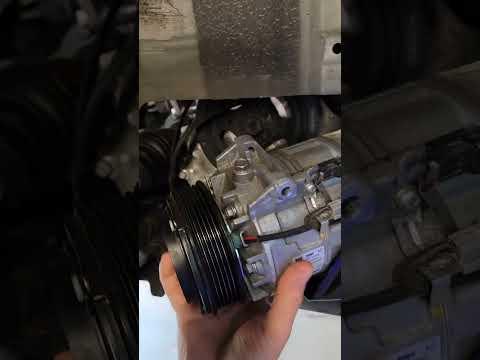





How to Replace the A/C Compressor on a 2019 Nissan Altima
Step-by-step DIY guide with tools, parts list, safety tips, and recharge instructions for 2019, 2020, 2021, 2022
How to Replace the A/C Compressor on a 2019 Nissan Altima
Step-by-step DIY guide with tools, parts list, safety tips, and recharge instructions for 2019, 2020, 2021, 2022


🔧 Altima - A/C Compressor Replacement
To replace the A/C compressor on your Altima, the refrigerant must first be safely recovered, then the old compressor and related seals are removed and replaced, and the system is evacuated and recharged to the correct amount. This job is advanced because it involves the sealed A/C system and requires special equipment.
Difficulty Level: Advanced | Estimated Time: 4-6 hours (plus shop time for refrigerant work)
⚠️ Safety & Precautions
- ⚠️ Refrigerant must be professionally recovered with an A/C recovery machine; it is illegal and dangerous to vent it to the air.
- ⚠️ Wear safety glasses and gloves; liquid refrigerant can cause frostbite on skin and serious eye damage.
- ⚠️ Only work on the A/C lines when the system is completely empty and at 0 psi.
- ⚠️ Allow the engine, exhaust, and radiator area to cool completely before working in the engine bay.
- ⚠️ Always support the vehicle with jack stands if you raise it; never rely on only a jack.
- ⚠️ Disconnect the negative battery terminal before unplugging the compressor electrical connector.
- ⚠️ Keep dirt and moisture out of open A/C lines; plug them as soon as they’re disconnected.
🔧 Required Tools
You'll need the following tools for this repair:
- 🔹Socket set (8mm–19mm metric)
- 🔹3/8" drive ratchet
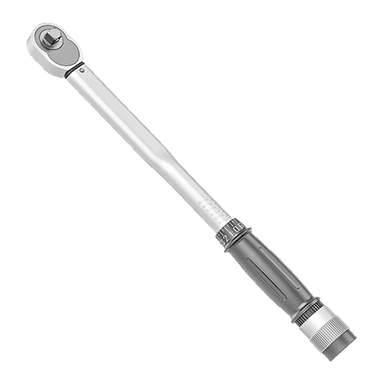
- 🔹3/8" drive torque wrench (7–80 ft-lbs range)
- 🔹Extension bars (3" and 6")
- 🔹Combination wrench set (10mm–19mm metric)
- 🔹Flathead screwdriver (medium)
- 🔹Phillips screwdriver (medium)
- 🔹Plastic trim clip removal tool
- 🔹Serpentine belt tool or 3/8" breaker bar
- 🔹Floor jack (rated 3-ton minimum)
- 🔹Jack stands (rated 3-ton minimum)
- 🔹Wheel chocks
- 🔹Needle-nose pliers
- 🔹Pick tool set
- 🔹Torque angle gauge (optional)
- 🔹AC manifold gauge set (R-134a or 1234yf type as equipped)
- 🔹Vacuum pump for A/C systems
- 🔹Refrigerant recovery machine (specialty)
- 🔹Digital kitchen scale or refrigerant scale
- 🔹Clean shop rags
- 🔹Safety glasses
- 🔹Mechanic gloves
🔩 Required Parts
HowToo sells all the parts you need for this repair:
- 🔹A/C compressor (with clutch) - Qty: 1
- 🔹A/C compressor mounting bolts (if one-time-use) - Qty: 4
- 🔹Refrigerant (correct type for your Altima) - Qty: As specified on under-hood label
- 🔹A/C compressor oil (PAG oil correct viscosity) - Qty: As specified by manufacturer
- 🔹High-pressure (discharge) line O-ring set - Qty: 1 set
- 🔹Low-pressure (suction) line O-ring set - Qty: 1 set
- 🔹Serpentine drive belt - Qty: 1 (recommended while you’re in there)
- 🔹A/C system flush solvent - Qty: 1 (only if contamination present, not always used)
- 🔹New receiver/drier or desiccant bag (if serviceable separately) - Qty: 1
- 🔹Dielectric grease (for electrical connectors) - Qty: small tube
📋 Before You Begin
- Park the Altima on a flat, level surface, set the parking brake, and chock the rear wheels.
- Have a licensed A/C shop recover all refrigerant from the system before you open any A/C line.
- Open the hood and let the engine bay cool if you’ve been driving.
- Disconnect the negative battery terminal using a 10mm wrench and secure the cable so it cannot spring back.
- Locate the under-hood A/C label; note the refrigerant type and specified charge amount (usually in grams).
- Review the belt routing diagram under the hood or take a clear picture.
🔨 Step-by-Step Instructions
Follow these steps in order:
Step 1: Safely raise and support the front of the car
- Use the floor jack at the front jacking point to lift the front of the Altima.
- Place jack stands under the proper frame or pinch weld support points and lower the car onto them.
- Leave the floor jack lightly touching as a backup, but the weight must be on the stands.
- Always shake-test the car gently for stability.
Step 2: Remove the lower engine splash shield
- Use a Phillips screwdriver and 10mm socket with ratchet to remove the screws and bolts holding the plastic under-cover beneath the engine.
- Use a plastic trim clip tool to pop out any push clips without breaking them.
- Lower the shield and set it aside.
Step 3: Remove the serpentine drive belt
- From above or below, locate the belt tensioner (spring-loaded pulley that keeps the belt tight).
- Insert a 3/8" breaker bar or the serpentine belt tool into the tensioner square hole.
- Rotate the tensioner to relieve tension and slide the belt off the A/C compressor pulley by hand.
- Slowly release the tensioner back to rest and remove the belt fully if replacing.
- Double-check belt routing photo for reassembly.
Step 4: Confirm the A/C system is empty
- Attach your AC manifold gauge set to the high and low service ports with the engine off.
- Read the gauges; both high and low sides should be at or very near 0 psi if the system has been properly recovered.
- If there is pressure, stop and have a shop recover the remaining refrigerant.
Step 5: Access and unplug the compressor electrical connector
- From below, locate the A/C compressor on the engine’s lower front area.
- Use a flathead screwdriver gently if needed to release any plastic covers blocking access.
- Press the tab on the compressor clutch/solenoid connector and pull it off by hand; use needle-nose pliers carefully if tight.
- Apply a tiny bit of dielectric grease to the connector later during reassembly (keep it clean for now).
Step 6: Disconnect the A/C lines at the compressor
- Identify the suction (larger, low-pressure) line and discharge (smaller, high-pressure) line bolted to the compressor.
- Use the correct size socket (usually 10mm–13mm) and ratchet to remove the line retaining bolts.
- Gently wiggle the lines free by hand; avoid bending the aluminum tubing.
- Immediately plug or cap both the open lines and the compressor ports using clean caps or tape and clean shop rags to keep moisture and dirt out.
Step 7: Remove the compressor mounting bolts
- Support the compressor with one hand from below.
- Use the correct size socket (commonly 12mm–14mm) with ratchet and extensions to remove the 3–4 mounting bolts that secure the compressor to the engine bracket.
- Note the location and length of each bolt as you remove it.
- Lower the compressor out of the engine bay and set it on a clean surface.
Step 8: Prepare the new compressor
- Check if the new compressor comes pre-filled with oil; most have a tag or instructions.
- If oil amount needs adjusting, drain the shipping oil from the old and new compressors into separate, clean containers.
- Measure how much oil came out of the old compressor and match that quantity in the new one using the correct PAG oil, not exceeding the total system spec.
- Use a pick tool to remove old O-rings from the compressor ports if they stayed behind.
- Install new O-rings from your O-ring set and lightly coat them with clean compressor oil for better sealing.
- Do not reuse old O-rings; they often leak.
Step 9: Install the new compressor
- Position the new compressor in place in the same orientation as the original.
- Start all compressor mounting bolts by hand to avoid cross-threading.
- Use your socket and ratchet to snug the bolts evenly.
- Use your torque wrench to tighten each mounting bolt to manufacturer specification (typically around 25–35 Nm / 18–26 ft-lbs). Refer to a service manual or reliable torque chart for the exact spec for your engine.
Step 10: Reconnect A/C lines to the compressor
- Remove the temporary plugs from the suction and discharge lines and the compressor ports.
- Align each line carefully and seat it squarely on its port so the O-ring doesn’t pinch.
- Install the line retaining bolts by hand, then tighten with the correct size socket and ratchet.
- Torque each line bolt to manufacturer specification (commonly around 8–12 Nm / 6–9 ft-lbs); do not over-tighten or you may crack the aluminum fittings.
Step 11: Reconnect the compressor electrical connector
- Apply a tiny amount of dielectric grease to the connector seal if desired.
- Firmly push the connector onto the compressor plug until it clicks.
- Make sure the harness is routed away from the belt and pulleys.
Step 12: Install the serpentine drive belt
- Route the new or original belt according to your belt routing diagram or photo.
- Use the serpentine belt tool or breaker bar to rotate the tensioner and slip the belt over the last pulley.
- Slowly release the tensioner and verify the belt is seated inside the grooves on every pulley.
- Mis-routed belts can cause no-charge or overheating.
Step 13: Reinstall the lower splash shield
- Lift the plastic under-cover back into place.
- Install its bolts with a 10mm socket and ratchet and screws with a Phillips screwdriver.
- Reinstall the push clips using the trim tool if needed to guide them in.
Step 14: Lower the vehicle and reconnect the battery
- Use the floor jack to lift the car slightly, remove the jack stands, then lower the car to the ground.
- Reconnect the negative battery cable with a 10mm wrench and tighten it securely.
Step 15: Evacuate the A/C system
- Connect your AC manifold gauge set to the high and low service ports.
- Connect the center hose of the manifold to the vacuum pump.
- Open both high and low valves on the manifold and turn on the vacuum pump.
- Pull vacuum for at least 30–45 minutes to remove air and moisture.
- Close the manifold valves and turn off the pump. Let the system sit for at least 10–15 minutes; the gauges should hold the vacuum (no pressure creep). If vacuum is lost, you have a leak that must be fixed before charging.
Step 16: Recharge the A/C system
- Place the refrigerant can or cylinder on a refrigerant scale or digital scale to measure the amount added.
- With engine off, connect the refrigerant source to the manifold’s center hose.
- Start the engine, set the A/C to MAX cold, fan high, recirculate on.
- Slowly open the low-side valve on the manifold to allow refrigerant to be drawn into the system, watching the scale until you reach the exact charge amount specified on the under-hood label.
- Do not open the high-side valve while charging from a can.
- When the proper amount has been added, close the valve, let pressures stabilize, and then shut off the engine.
- Disconnect the manifold quick-connects from the service ports and reinstall service port caps by hand.
✅ After Repair
- Start the engine and let it idle; turn the A/C on MAX cold with fan high and recirculate.
- Verify the A/C compressor engages smoothly and stays on (clutch or engagement sound) without loud knocking or squealing.
- Check for cold air from the center vents; measure vent temperature if you have a thermometer.
- Inspect all compressor connections and A/C lines visually for signs of oil or refrigerant leaks.
- Listen for unusual belt noises; re-check belt routing and tension if you hear squeals.
- After a short drive, re-check for leaks and make sure no warning lights are on.
💰 DIY vs Shop Cost
Shop Cost: $1,100–$1,600 (parts + labor + recharge)
DIY Cost: $450–$800 (compressor, O-rings, belt, refrigerant, oil)
You Save: $300–$900 by doing it yourself!
Shop labor rates vary but typically run $100–$150/hour. This repair takes a shop approximately 3–4 hours plus A/C service time.
🎯 Ready to get started?
HowToo makes it easy: same-day/2-day shipping on every part, plus all the tools and specialty tools you need! Check out the parts and tools sections above to add everything to your cart.