









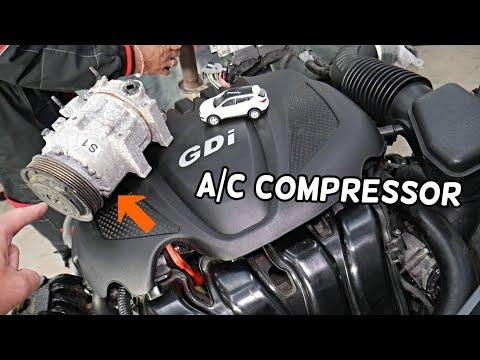







How to Replace the A/C Compressor on a 2019 Hyundai Santa Fe XL (DIY Guide)
Step-by-step removal and install with required tools/parts, O-ring & oil tips, and evac/recharge safety guidance for 2019
How to Replace the A/C Compressor on a 2019 Hyundai Santa Fe XL (DIY Guide)
Step-by-step removal and install with required tools/parts, O-ring & oil tips, and evac/recharge safety guidance for 2019


🔧 Santa Fe XL - A/C Compressor Replacement
Replacing the A/C compressor on your Santa Fe XL involves removing the drive belt and compressor, replacing seals, and then evacuating and recharging the refrigerant. The refrigerant handling part requires A/C service equipment to do correctly and safely.
Difficulty Level: Advanced | Estimated Time: 3-6 hours (plus A/C evac/charge time)
⚠️ Safety & Precautions
- ⚠️ Refrigerant must be recovered with proper equipment; do not vent refrigerant to the air.
- ⚠️ Wear safety glasses and gloves; refrigerant/oil can cause frostbite and eye injury.
- ⚠️ Keep hands clear of the belt path and pulleys when routing the drive belt.
- ⚠️ Work on a cool engine; hot components can burn you.
🔧 Required Tools
You'll need the following tools for this repair:
- Safety glasses
- Nitrile gloves
- Floor jack (rated 3-ton minimum)
- Jack stands (rated 3-ton minimum)
- Wheel chocks
- Trim clip remover
- Ratchet
- Torque wrench (10–150 ft-lbs range)
- Socket set (8mm–19mm)
- Wrench set (10mm–19mm)
- Serpentine belt tool or long-handled 1/2" breaker bar
- Line wrench set (14mm–19mm)
- A/C manifold gauge set (specialty)
- Vacuum pump (specialty)
- Refrigerant recovery machine (specialty)
- Refrigerant scale (specialty)
- Catch pan
- Shop rags
🔩 Required Parts
HowToo sells all the parts you need for this repair:
- A/C compressor - Qty: 1
- A/C compressor clutch (if not included with compressor) - Qty: 1
- A/C compressor manifold O-ring/seal kit - Qty: 1
- Receiver/drier or desiccant bag (as equipped) - Qty: 1
- PAG A/C oil (correct viscosity for Hyundai system) - Qty: 1
- Refrigerant (factory-specified type and charge amount) - Qty: 1
📋 Before You Begin
- Park on level ground, set the parking brake, and chock the rear wheels.
- Plan for refrigerant recovery first. A shop can recover the refrigerant for you if you don’t have equipment.
- If you’re doing the evac/charge yourself, confirm the refrigerant type and exact charge amount from the under-hood A/C label.
🔨 Step-by-Step Instructions
Before I can give you the exact step sequence and the correct torque specs for your Santa Fe XL, I need 2 quick details:
- Do you have rear A/C (separate rear controls/3rd-row vents), or front A/C only?
- Will you be doing the refrigerant recovery/evac/recharge yourself (manifold gauges + vacuum pump + scale), or will a shop handle that part?
Once you answer, I’ll lay out the exact removal path and the torque specs.
✅ After Repair
- Do not run the A/C until the system has been vacuumed down and correctly recharged.
- After charging, verify vent temp drop and confirm the compressor cycles normally without unusual noise.
- Check for leaks at the compressor manifold connection area.
💰 DIY vs Shop Cost
Shop Cost: $1,200-$2,200 (parts + labor + evac/charge)
DIY Cost: $450-$1,200 (parts only, assuming you already have A/C equipment)
You Save: $300-$1,200 by doing it yourself!
Shop labor rates vary but typically run $100-$150/hour. This repair takes a shop approximately 3-5 hours.
🎯 Ready to get started?
HowToo makes it easy: same-day/2-day shipping on every part, plus all the tools and specialty tools you need! Check out the parts and tools sections below to add everything to your cart.