














How to Replace the A/C Compressor on a 2019 GMC Canyon (Recovery, Install, Recharge)
Step-by-step instructions with required tools/parts, safety tips, O-ring & PAG oil notes, and recharge specs
How to Replace the A/C Compressor on a 2019 GMC Canyon (Recovery, Install, Recharge)
Step-by-step instructions with required tools/parts, safety tips, O-ring & PAG oil notes, and recharge specs


🔧 Canyon - A/C Compressor Replacement
Replacing the A/C compressor on your Canyon involves safely recovering the refrigerant, removing the drive belt and compressor, swapping the correct seals/oil as required, then evacuating and recharging the system to spec. The exact procedure (and charge type) depends on which refrigerant your truck uses and how you’ll handle the recovery/recharge.
Difficulty Level: Advanced | Estimated Time: 3-6 hours (plus A/C machine time)
⚠️ Safety & Precautions
- ⚠️ Do not vent refrigerant to the air—refrigerant recovery is required by law and it’s dangerous.
- ⚠️ Refrigerant can cause frostbite and eye injury—wear gloves and safety glasses.
- ⚠️ Keep hands/clothing clear of the belt drive area.
- Disconnecting the battery is recommended before unplugging the compressor clutch/control connector.
🔧 Required Tools
You'll need the following tools for this repair:
- A/C refrigerant recovery/recharge machine (specialty)
- A/C manifold gauge set (specialty)
- Vacuum pump (specialty)
- Refrigerant scale (specialty)
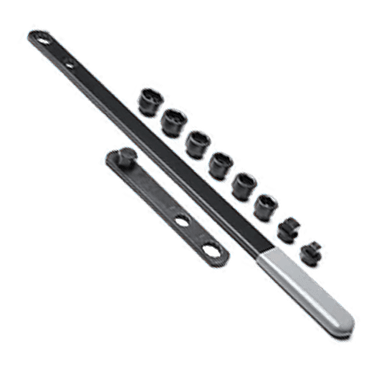
- Serpentine belt tool 3/8" drive
- 3/8" drive ratchet
- 1/2" drive ratchet
- Socket set 8mm-18mm
- Torque wrench 10-150 ft-lbs
- Line/flare-nut wrench set
- Trim clip tool
- Flat-blade screwdriver
- Pick set
- Drain pan
- Floor jack (rated 3-ton minimum)
- Jack stands (rated 3-ton minimum)
- Wheel chocks
- Nitrile gloves
- Safety glasses
🔩 Required Parts
HowToo sells all the parts you need for this repair:
- A/C compressor - Qty: 1
- A/C compressor manifold/line O-ring seals - Qty: 1 set
- PAG compressor oil (GM-approved type for your refrigerant) - Qty: 1
- Serpentine belt - Qty: 1
- Refrigerant (match underhood label) - Qty: 1
📋 Before You Begin
- Park on level ground, set the parking brake, and use wheel chocks.
- Let the engine cool completely before working near the radiator and belt drive.
- Plan for refrigerant recovery/evac/recharge with an A/C machine (shop or your own equipment).
- If you’ll be unplugging the compressor electrical connector, disconnect the negative battery cable using a 10mm socket.
🔨 Step-by-Step Instructions
Follow these steps in order:
Step 1: Confirm refrigerant type and compressor style
- Open the hood and locate the A/C refrigerant label (usually on the radiator support or underside of the hood).
- Write down the refrigerant type (commonly R-1234yf or R-134a) and the charge amount listed.
- Tip: A photo of the label is best.
Step 2: Recover the refrigerant (required)
- Use an A/C refrigerant recovery/recharge machine (specialty) to recover the refrigerant from the system.
- If you don’t have an A/C machine, a shop can recover the refrigerant first, then you can do the mechanical swap, then return for vacuum/charge.
Step 3: Raise and support the front (as needed for access)
- Use a floor jack (rated 3-ton minimum) to lift the front safely.
- Support with jack stands (rated 3-ton minimum) and keep wheel chocks in place.
Step 4: Remove shields/air ducting for access
- Remove any lower splash shield/air deflectors using a trim clip tool and socket set 8mm-18mm as required.
- Set hardware aside in a tray so nothing is lost.
Step 5: Remove the serpentine belt
- Use a serpentine belt tool 3/8" drive to rotate the tensioner and slip the belt off the A/C compressor pulley.
- Inspect the belt; if it’s cracked/glazed, replace it now.
Step 6: Disconnect the compressor electrical connector
- If not already done, disconnect the battery negative cable using a 10mm socket.
- Unplug the compressor connector by releasing the lock tab using a pick set (a pick is a small pointed hook tool for releasing clips).
Step 7: Disconnect the A/C lines at the compressor
- Place a drain pan under the compressor.
- Use the correct socket set 8mm-18mm and/or line/flare-nut wrench set to remove the line/manifold fasteners.
- Immediately remove and discard the old O-rings using a pick set.
- Cap/cover open lines to keep dirt and moisture out.
Step 8: Remove the compressor
- Support the compressor by hand.
- Remove the compressor mounting bolts using a socket set 8mm-18mm and 3/8" drive ratchet.
- Lift the compressor out carefully without bending nearby lines.
Step 9: Prep the new compressor (oil and seals)
- Compare the new compressor to the old one (ports, mounting ears, connector).
- Install new O-rings from the A/C compressor manifold/line O-ring seals set.
- Lubricate O-rings with the correct PAG compressor oil (a thin A/C oil that prevents seal tearing).
Step 10: Install the new compressor
- Position the compressor and start all mounting bolts by hand.
- Tighten mounting bolts evenly using a socket set 8mm-18mm and finish with a torque wrench 10-150 ft-lbs.
- Torque to OEM spec (I’ll provide the exact Nm/ft-lbs after your label photo confirms the system variant).
Step 11: Reconnect the A/C lines
- Install the line/manifold onto the compressor with new O-rings in place.
- Tighten fasteners using a socket set 8mm-18mm and finish with a torque wrench 10-150 ft-lbs.
- Torque to OEM spec (I’ll provide the exact value after confirmation).
Step 12: Reinstall the serpentine belt and shields
- Route the belt correctly and use a serpentine belt tool 3/8" drive to set it on the pulleys.
- Reinstall shields/ducting using a trim clip tool, flat-blade screwdriver, and socket set 8mm-18mm.
Step 13: Evacuate and recharge
- Use an A/C refrigerant recovery/recharge machine (specialty) (or vacuum pump (specialty) + A/C manifold gauge set (specialty)) to pull vacuum and verify it holds.
- Recharge by weight using a refrigerant scale (specialty) to the exact amount on the underhood label.
✅ After Repair
- Reconnect the battery (if disconnected) using a 10mm socket.
- Start the engine and turn A/C on MAX; verify cold air, no abnormal noises, and the clutch/control operation is normal.
- Check for leaks at the compressor line connection areas.
- If the A/C cycles rapidly or doesn’t cool, stop and re-check charge amount and sealing.
💰 DIY vs Shop Cost
Shop Cost: $1,100-$1,900 (parts + labor + refrigerant service)
DIY Cost: $350-$900 (parts only, assuming you pay a shop for recover/charge)
You Save: $250-$1,000 by doing it yourself!
Shop labor rates vary but typically run $100-$150/hour. This repair takes a shop approximately 2.5-4.0 hours.
🎯 Ready to get started?
HowToo makes it easy: same-day/2-day shipping on every part, plus all the tools and specialty tools you need! Check out the parts and tools sections below to add everything to your cart.
Two quick questions so I can give you the exact OEM torque specs and the correct refrigerant/oil callout:
- Can you upload a clear photo of the underhood A/C refrigerant label?
- Will you be using an A/C recovery/evac/recharge machine yourself, or having a shop handle the recover/charge?