









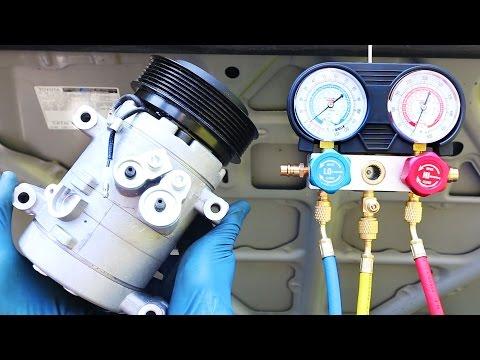







How to Replace the A/C Compressor on a 2018 Toyota C-HR (Recover, Vacuum, Recharge)
Step-by-step instructions with required tools/parts, safety tips, O-ring handling, and A/C service checklist for 2018, 2019, 2020, 2021
How to Replace the A/C Compressor on a 2018 Toyota C-HR (Recover, Vacuum, Recharge)
Step-by-step instructions with required tools/parts, safety tips, O-ring handling, and A/C service checklist for 2018, 2019, 2020, 2021


🔧 C-HR - A/C Compressor Replacement
Replacing the A/C compressor on your C-HR is a bigger job because the refrigerant must be safely recovered (evacuated) before any lines are opened, and the system must be vacuumed and recharged afterward. Doing it right prevents compressor damage, leaks, and poor cooling.
Difficulty Level: Advanced | Estimated Time: 3-6 hours
⚠️ Safety & Precautions
- ⚠️ Refrigerant is under high pressure—do not loosen A/C lines until the system is professionally recovered.
- ⚠️ Wear eye protection and gloves; refrigerant/oil can cause frostbite and eye injury.
- ⚠️ Keep fingers/tools away from the serpentine belt and pulleys.
- ⚠️ Disconnect the 12V battery negative cable before unplugging the compressor connector.
- ⚠️ Use only the refrigerant type shown on the under-hood A/C label.
🔧 Required Tools
You'll need the following tools for this repair:
- Safety glasses
- Nitrile gloves
- Floor jack (rated 2-ton minimum)
- Jack stands (rated 2-ton minimum)
- Wheel chocks
- 10mm socket
- 12mm socket
- 14mm socket
- 3/8" drive ratchet
- 3/8" drive torque wrench (10–100 Nm range)
- 6" extension (3/8" drive)
- Trim clip remover
- Phillips screwdriver
- Flathead screwdriver
- Serpentine belt tool (14mm) (specialty)
- Line plug kit (A/C line caps)
- Shop rags
- UV flashlight
- A/C manifold gauge set (specialty)
- Vacuum pump (specialty)
- Refrigerant recovery machine (specialty)
🔩 Required Parts
HowToo sells all the parts you need for this repair:
- A/C compressor - Qty: 1
- A/C compressor O-ring set - Qty: 1
- Refrigerant (per under-hood label type) - Qty: 1 charge
- PAG compressor oil (correct type per label/service info) - Qty: 1 bottle
- Receiver/drier or desiccant (if serviced separately on your system) - Qty: 1
📋 Before You Begin
- Park on level ground, set the parking brake, and chock the rear wheels.
- Let the engine cool fully before working near the radiator and exhaust.
- Plan for refrigerant recovery and recharge. Most DIYers have a shop recover/recharge and do the mechanical swap at home.
- Please answer these 2 quick questions so I can give you the exact Toyota-correct steps, torque specs, and oil/refrigerant details:
- What refrigerant does the under-hood A/C label list: R-134a or R-1234yf?
- Did the compressor fail “hard” (grinding noise, seized belt, metal debris in oil), or is it a mild failure (clutch/solenoid/code only)?
🔨 Step-by-Step Instructions
Follow these steps in order:
Step 1: Recover the refrigerant (required)
- Use a refrigerant recovery machine (specialty) to recover the refrigerant from the high and low service ports.
- If you don’t have recovery equipment, drive to an A/C shop and request “recover only,” then return home for the compressor swap.
- Never vent refrigerant to the air.
Step 2: Disconnect battery power
- Use a 10mm socket to disconnect the negative battery cable and move it aside so it can’t spring back.
Step 3: Raise the front and remove the lower covers
- Lift the front with a floor jack (rated 2-ton minimum) and support with jack stands (rated 2-ton minimum).
- Use a trim clip remover, 10mm socket, and Phillips screwdriver to remove the lower engine undercovers/splash shields for access.
Step 4: Remove belt tension and slip the belt off the compressor pulley
- Use a serpentine belt tool (14mm) (specialty) to rotate the belt tensioner and relieve tension.
- Slip the belt off the A/C compressor pulley only (leave routing mostly in place).
- Take a photo of belt routing first.
Step 5: Unplug the compressor electrical connector
- Use a flathead screwdriver gently (if needed) to release the connector lock, then unplug the connector.
- Do not pull on the wires—pull on the connector body.
Step 6: STOP here for exact removal/installation details
- The next steps require the correct Toyota-specific torque specs for:
- Compressor mounting bolts
- A/C line/manifold bolts
- Reply with the 2 answers above (refrigerant type + failure type), and I’ll continue with the exact bolt sequence, O-ring handling, oil balancing, evacuation, and recharge steps for your C-HR.
✅ After Repair
- Vacuum the system with a vacuum pump (specialty) and verify it holds vacuum before charging.
- Recharge with the exact refrigerant type and specified amount from the under-hood label.
- Run A/C on MAX, verify vent temperature drop, and check for leaks (UV dye/UV light if used).
- If cooling is weak or pressures are abnormal, stop and recheck charge amount and leaks.
💰 DIY vs Shop Cost
Shop Cost: $1,200-$2,200 (parts + labor)
DIY Cost: $450-$1,100 (parts only, assuming you already have A/C equipment)
You Save: $300-$1,300 by doing it yourself!
Shop labor rates vary but typically run $100-$150/hour. This repair takes a shop approximately 3-5 hours.
🎯 Ready to get started?
HowToo makes it easy: same-day/2-day shipping on every part, plus all the tools and specialty tools you need! Check out the parts and tools sections below to add everything to your cart.