









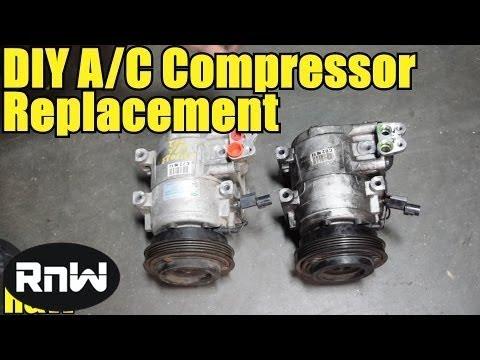





How to Replace the A/C Compressor on a 2018 Toyota 4Runner (R-134a System)
Step-by-step instructions with required tools/parts, O-rings & PAG oil tips, evacuation/recharge steps, and safety checks for 2010, 2011, 2012, 2013, 2014, 2015, 2016, 2017, 2018, 2019, 2020
How to Replace the A/C Compressor on a 2018 Toyota 4Runner (R-134a System)
Step-by-step instructions with required tools/parts, O-rings & PAG oil tips, evacuation/recharge steps, and safety checks for 2010, 2011, 2012, 2013, 2014, 2015, 2016, 2017, 2018, 2019, 2020


🔧 4Runner - A/C Compressor Replacement
Replacing the A/C compressor on your 4Runner involves safely recovering the refrigerant, removing the drive belt, swapping the compressor (and O-rings), then evacuating and recharging the system. The exact refrigerant charge amount and a couple of key torque specs depend on your under-hood A/C label and whether you have rear A/C.
Difficulty Level: Advanced | Estimated Time: 3-6 hours
⚠️ Safety & Precautions
- ⚠️ Refrigerant must be recovered with proper equipment; do not vent to air.
- ⚠️ The A/C system is high pressure; only open lines after recovery.
- ⚠️ Wear eye protection and gloves; refrigerant/oil can cause frostbite/irritation.
- ⚠️ Keep dirt/moisture out of open A/C lines; cap them immediately.
- ⚠️ Battery disconnect is recommended before unplugging the compressor clutch connector.
🔧 Required Tools
You'll need the following tools for this repair:
- Safety glasses
- Nitrile gloves
- 10mm socket
- 12mm socket
- 14mm socket
- 3/8" drive ratchet
- 3/8" drive torque wrench
- Serpentine belt tool (14mm) (specialty)
- A/C manifold gauge set for R-134a (specialty)
- Vacuum pump (specialty)
- Refrigerant recovery machine (specialty)
- Line/port caps assortment
- Trim clip removal tool
- Flat screwdriver
- Shop rags
🔩 Required Parts
HowToo sells all the parts you need for this repair:
- A/C compressor (new) - Qty: 1
- A/C compressor O-ring set - Qty: 1
- ND-OIL 8 (PAG) A/C compressor oil - Qty: 1
- R-134a refrigerant - Qty: per under-hood label
- Serpentine drive belt - Qty: 1 Optional if worn/cracked
📋 Before You Begin
- Park on level ground, engine fully cool, and set the parking brake.
- Have the refrigerant professionally recovered if you don’t have a recovery machine.
- Open the hood and take a clear photo of the under-hood A/C refrigerant label (it lists the factory charge amount).
- Confirm whether your 4Runner has rear A/C (rear passenger controls/vents). The charge amount can differ.
- Disconnect the negative battery terminal using a 10mm socket.
🔨 Step-by-Step Instructions
Follow these steps in order:
Step 1: Confirm charge spec and rear A/C
- Check the under-hood A/C label for R-134a charge amount and oil notes.
- Reply with: (1) rear A/C yes/no, and (2) a photo or the exact text from that label so I can give you the correct recharge amount and the exact Toyota torque specs for your configuration.
Step 2: Recover refrigerant
- Connect the A/C manifold gauge set for R-134a (specialty) to the high/low service ports.
- Use a refrigerant recovery machine (specialty) to fully recover the system per the machine instructions.
- Do not loosen A/C lines until recovery is complete.
Step 3: Remove covers for access
- Remove any engine cover/splash shields as needed using a trim clip removal tool, 10mm socket, and 12mm socket.
- Set fasteners aside in a tray so nothing is lost.
Step 4: Remove the serpentine belt from the compressor
- Use a serpentine belt tool (14mm) (specialty) to rotate the belt tensioner and relieve tension.
- Slip the belt off the A/C compressor pulley first, then slowly release the tensioner.
- Take a photo of belt routing first.
Step 5: Disconnect compressor electrical connector
- Unplug the compressor clutch connector by hand; use a flat screwdriver gently if the lock tab is stuck.
Step 6: Disconnect the A/C lines at the compressor
- Place shop rags under the compressor to catch any oil drips.
- Use the correct socket (typically 10mm socket or 12mm socket) to remove the suction/discharge line retaining bolt(s).
- Pull the lines straight off (do not pry on aluminum tubes) and immediately install line/port caps assortment.
- Remove and discard the old O-rings.
Step 7: Remove the compressor
- Support the compressor with one hand.
- Use a 12mm socket and/or 14mm socket to remove the compressor mounting bolts.
- Lift the compressor out carefully without bending nearby lines.
- Torque: I’ll give the exact Toyota torque values once you confirm rear A/C and share the label text/photo (to avoid giving you the wrong spec).
Step 8: Prepare and install the new compressor
- If your new compressor is not pre-filled, add the correct amount of ND-OIL 8 (PAG) A/C compressor oil as specified for your compressor/system.
- Install new O-rings from the A/C compressor O-ring set and lightly coat them with clean ND-OIL 8 so they don’t tear during assembly.
- Position the compressor and hand-start all mounting bolts, then tighten with a torque wrench.
Step 9: Reconnect A/C lines and electrical connector
- Reinstall the A/C lines straight onto the compressor ports and install the retaining bolt(s) using a 10mm socket or 12mm socket as equipped.
- Tighten with a torque wrench to Toyota spec (I’ll provide after your label/rear A/C confirmation).
- Plug the compressor clutch connector back in until it clicks.
Step 10: Reinstall belt and covers
- Route the belt correctly and use the serpentine belt tool (14mm) (specialty) to rotate the tensioner.
- Slip the belt onto the compressor pulley and slowly release the tensioner.
- Reinstall any covers/shields using the 10mm socket and trim clip removal tool.
Step 11: Evacuate and recharge
- Connect the A/C manifold gauge set for R-134a (specialty) and run the vacuum pump (specialty) to pull a deep vacuum to remove air/moisture.
- Verify it holds vacuum (leak check).
- Recharge with R-134a refrigerant to the exact amount listed on your under-hood label.
✅ After Repair
- Reconnect the battery using a 10mm socket.
- Start the engine and turn A/C to MAX; confirm the compressor clutch engages and vent air gets cold.
- Check for leaks at the compressor line connections.
- If cooling is weak or pressures look abnormal, stop and recheck charge amount and for leaks.
💰 DIY vs Shop Cost
Shop Cost: $900-$1,800 (parts + labor)
DIY Cost: $250-$900 (parts only)
You Save: $650-$900 by doing it yourself!
Shop labor rates vary but typically run $100-$150/hour. This repair takes a shop approximately 2.5-4.5 hours.
🎯 Ready to get started?
HowToo makes it easy: same-day/2-day shipping on every part, plus all the tools and specialty tools you need! Check out the parts and tools sections below to add everything to your cart.