









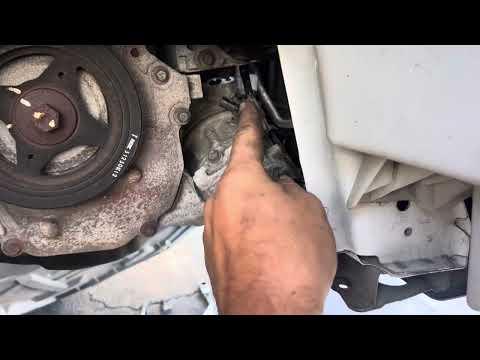







How to Replace the A/C Compressor on a 2018 Nissan Sentra (R-134a System)
Step-by-step removal, O-rings and oil tips, plus evacuation/vacuum and recharge guidance for 2013, 2014, 2015, 2016, 2017, 2018, 2019
How to Replace the A/C Compressor on a 2018 Nissan Sentra (R-134a System)
Step-by-step removal, O-rings and oil tips, plus evacuation/vacuum and recharge guidance for 2013, 2014, 2015, 2016, 2017, 2018, 2019


🔧 Sentra - A/C Compressor Replacement
On your Sentra, replacing the A/C compressor is a remove-and-replace job, but the system must be properly recovered, vacuumed, and recharged to avoid damage and to keep it cooling correctly. The mechanical swap is straightforward; the refrigerant handling is the part that usually requires professional equipment.
Difficulty Level: Advanced | Estimated Time: 3-6 hours
⚠️ Safety & Precautions
- ⚠️ Refrigerant must be recovered with proper equipment—do not vent refrigerant to the air.
- ⚠️ Do not run the A/C with low/no refrigerant; it can destroy the new compressor.
- ⚠️ Wear eye protection and gloves; liquid refrigerant can cause frostbite.
- ⚠️ Keep hands/tools clear of the accessory belt path.
- ⚠️ Battery disconnect is recommended before unplugging the compressor clutch/valve connector.
🔧 Required Tools
You'll need the following tools for this repair:
- Safety glasses
- Nitrile gloves
- Floor jack (rated 2-ton minimum)
- Jack stands (rated 2-ton minimum)
- Wheel chocks
- 10mm socket
- 12mm socket
- 14mm socket
- 3/8" drive ratchet
- 3/8" drive torque wrench (10–80 Nm range)
- Extension set (3" and 6")
- Serpentine belt tool (specialty)
- Trim clip removal tool
- Pick set (for O-rings)
- A/C manifold gauge set (R-134a) (specialty)
- Vacuum pump (A/C) (specialty)
- Refrigerant recovery machine (specialty)
- Refrigerant scale (specialty)
- Shop towels
🔩 Required Parts
HowToo sells all the parts you need for this repair:
- A/C compressor (Sentra 1.8L) - Qty: 1
- A/C compressor manifold O-ring set - Qty: 1
- R-134a refrigerant - Qty: As specified on under-hood label
- A/C compressor oil (PAG type per Nissan spec) - Qty: As required to match system total
- Serpentine belt - Qty: 1 (optional, if worn/cracked)
📋 Before You Begin
- Park on level ground, set the parking brake, and place wheel chocks behind the rear wheels.
- Plan for refrigerant recovery: an A/C shop can recover the refrigerant for you before you start.
- Disconnect the negative battery terminal using a 10mm socket.
- Please answer these 2 quick questions so I can give you exact, Sentra-correct charge procedure and tighten/torque details:
- Can you upload a clear photo of the under-hood A/C refrigerant label (it lists the exact R-134a charge amount)?
- Do you have access to a recovery machine/vacuum pump/manifold gauges, or will a shop handle evacuate & recharge?
🔨 Step-by-Step Instructions
Follow these steps in order:
Step 1: Recover the refrigerant safely
- Connect an A/C manifold gauge set (R-134a) (specialty) to the high and low service ports.
- Use a refrigerant recovery machine (specialty) to recover the refrigerant completely.
- Most DIYers have a shop do this.
Step 2: Raise the front and remove access panels
- Lift the front with a floor jack (rated 2-ton minimum) and support with jack stands (rated 2-ton minimum).
- Remove the lower splash shield/undercover fasteners using a trim clip removal tool and 10mm socket.
Step 3: Remove the drive belt from the A/C compressor
- Relieve belt tension using a serpentine belt tool (specialty).
- Slip the belt off the A/C compressor pulley and move it aside.
Step 4: Disconnect the compressor electrical connector
- Unplug the compressor connector by hand; use a pick set (for O-rings) gently only if the lock tab is stuck.
- Do not pull on the wires—pull on the connector body.
Step 5: Remove the A/C lines from the compressor
- Place shop towels under the compressor to catch any oil.
- Remove the line/manifold retaining bolt(s) using a 10mm socket (some fasteners may be 12mm socket depending on supplier).
- Carefully pull the manifold straight out of the compressor.
- Remove and discard old O-rings using a pick set (for O-rings).
- Immediately cap/cover the open lines to keep moisture out (use shop towels).
Step 6: Unbolt and remove the compressor
- Support the compressor with one hand.
- Remove the compressor mounting bolts using a 12mm socket or 14mm socket (bolt heads vary by production).
- Remove the compressor from below.
- Torque note: I’ll provide exact Sentra torque specs as soon as you send the under-hood label photo and confirm your setup (some values vary by compressor/fastener set).
Step 7: Prepare the new compressor (oil handling)
- Drain and measure oil from the old compressor into a clean container (if the compressor isn’t catastrophically failed).
- Add the same measured amount of the correct A/C oil into the new compressor (oil type must match Nissan spec).
- Rotate the compressor hub by hand several turns to distribute oil evenly.
- Too much oil reduces cooling.
Step 8: Install the new compressor
- Position the compressor and start bolts by hand to avoid cross-threading.
- Tighten mounting bolts evenly using a 3/8" drive ratchet.
- Final-tighten with a 3/8" drive torque wrench (10–80 Nm range) to the correct spec (I’ll confirm after your label photo).
Step 9: Install new O-rings and reconnect the A/C lines
- Install new O-rings from the A/C compressor manifold O-ring set.
- Lightly lubricate O-rings with the correct A/C oil (use a small amount on a clean finger).
- Push the manifold straight into the compressor and install the retaining bolt(s) using a 10mm socket.
- Final-tighten with a 3/8" drive torque wrench (10–80 Nm range) to the correct spec (I’ll confirm after your label photo).
Step 10: Reinstall the belt and undercovers
- Route the belt correctly and apply tension using a serpentine belt tool (specialty).
- Reinstall splash shield/undercover using a 10mm socket and trim clip removal tool.
Step 11: Evacuate, leak-check, and recharge
- Connect the A/C manifold gauge set (R-134a) (specialty) and attach a vacuum pump (A/C) (specialty).
- Pull vacuum to remove air/moisture, then verify it holds (vacuum decay = leak).
- Recharge using a refrigerant scale (specialty) with the exact amount listed on the under-hood label.
✅ After Repair
- Reconnect the battery negative terminal using a 10mm socket.
- Start the engine, set A/C to MAX, and confirm the compressor engages and vents blow cold.
- Check for leaks at the compressor manifold connection (oil residue can indicate a leak).
- If cooling is weak or pressures look abnormal on the gauges, stop and recheck charge amount and O-ring seating.
💰 DIY vs Shop Cost
Shop Cost: ₹25,000-₹55,000 (parts + labor + refrigerant service)
DIY Cost: ₹12,000-₹35,000 (parts only, assuming you already have A/C equipment)
You Save: ₹10,000-₹25,000 by doing it yourself!
Shop labor rates vary but typically run ₹1,000-₹2,500/hour. This repair takes a shop approximately 2-4 hours.
🎯 Ready to get started?
HowToo makes it easy: same-day/2-day shipping on every part, plus all the tools and specialty tools you need! Check out the parts and tools sections below to add everything to your cart.