









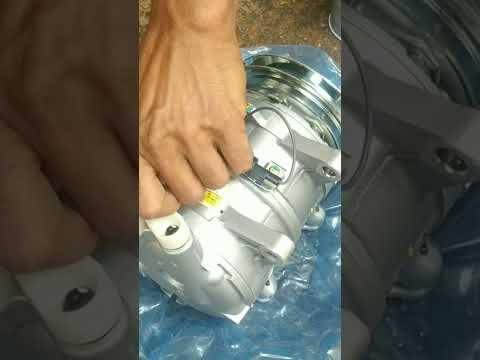







How to Replace the A/C Compressor on a 2018 Nissan Pathfinder (R-134a Recharge Guide)
Step-by-step replacement instructions with required tools/parts, safety tips, vacuum leak test, oil spec, and correct refrigerant charge for 2015, 2016, 2017, 2018, 2019, 2020
How to Replace the A/C Compressor on a 2018 Nissan Pathfinder (R-134a Recharge Guide)
Step-by-step replacement instructions with required tools/parts, safety tips, vacuum leak test, oil spec, and correct refrigerant charge for 2015, 2016, 2017, 2018, 2019, 2020


🔧 Pathfinder - A/C Compressor Replacement
Replacing the A/C compressor on your Pathfinder is a “recover refrigerant → swap compressor and seals → vacuum test → recharge” job. The mechanical swap is straightforward, but the refrigerant handling and final recharge must be done correctly or you can damage the new compressor.
Difficulty Level: Advanced | Estimated Time: 2.5-5.0 hours
Two quick questions so I can give you the exact refrigerant charge, oil spec, and the correct procedure for your exact A/C system:
1) Does your Pathfinder have rear A/C (rear ceiling vents / rear climate controls)?
2) What does the under-hood A/C label say for refrigerant type and amount (example: “R-134a, 0.XX kg / XX oz”)?
⚠️ Safety & Precautions
- ⚠️ Refrigerant is high-pressure and can cause frostbite/eye injury—wear eye protection and gloves.
- ⚠️ Do not vent refrigerant to the air; have the system recovered with proper equipment before opening any A/C lines.
- ⚠️ Keep hands/tools clear of the belt drive; work with the engine off and key away from the vehicle.
- ⚠️ A/C compressors can fail with metal debris; if the old compressor “grenaded,” additional parts/flush steps are required before installing the new one.
- Disconnecting the battery is recommended before unplugging the compressor clutch/solenoid connectors.
🔧 Required Tools
You'll need the following tools for this repair:
- Safety glasses
- Nitrile gloves
- Floor jack (rated 3-ton minimum)
- Jack stands (rated 3-ton minimum)
- Wheel chocks
- 3/8" drive ratchet
- 1/2" drive breaker bar
- Torque wrench (10–80 ft-lbs range)
- Socket set (8mm–19mm)
- Serpentine belt tool
- Trim clip removal tool
- Pick set
- Line plug kit (A/C line caps)
- Manifold gauge set (specialty)
- Vacuum pump (specialty)
- Refrigerant recovery machine (specialty)
- Refrigerant scale (specialty)
🔩 Required Parts
HowToo sells all the parts you need for this repair:
- A/C compressor (correct for your Pathfinder) - Qty: 1
- A/C compressor O-ring / seal kit - Qty: 1
- A/C compressor oil (correct type for your system) - Qty: 1
- Refrigerant (correct type and weight per under-hood label) - Qty: 1
- Receiver/drier or desiccant element (if serviced separately on your system) - Qty: 1
📋 Before You Begin
- Park on level ground, set the parking brake, and chock the rear wheels.
- Have a shop or a qualified DIY setup recover the refrigerant before you loosen any A/C line fittings.
- Open the hood and locate the A/C refrigerant label; you’ll use it for the exact charge amount.
- Disconnect the negative battery cable using a 10mm socket once recovery is completed and before unplugging A/C electrical connectors.
🔨 Step-by-Step Instructions
Follow these steps in order:
Step 1: Confirm the A/C system configuration
- Check for rear A/C controls/vents and confirm if your system is front-only or front+rear.
- Read the under-hood label for the exact refrigerant type and factory charge amount.
- Send me those two details for exact specs.
Step 2: Recover the refrigerant (mandatory)
- Connect a manifold gauge set (specialty) to the high/low service ports.
- Use a refrigerant recovery machine (specialty) to fully recover the refrigerant from the system.
- Verify both gauges read near zero pressure before any lines are opened.
Step 3: Stop here until you have the exact charge/oil specs
- Correct refrigerant weight and oil amount are critical to compressor life.
- Reply with: (1) rear A/C yes/no, and (2) the label info (type + amount). Then I’ll give you the complete bolt-by-bolt replacement steps with Torque to XX Nm (YY ft-lbs) specs and the exact recharge procedure for your A/C layout.
✅ After Repair
- After installation and reassembly, the system must be vacuumed and leak-checked before recharging.
- Once charged, verify vent temperature drop, stable low/high side pressures, and that the compressor cycles normally.
- Recheck for oily residue around fittings (a common sign of a leak).
💰 DIY vs Shop Cost
Shop Cost: $900-$1,800 (parts + labor)
DIY Cost: $350-$950 (parts only)
You Save: $550-$850 by doing it yourself!
Shop labor rates vary but typically run $100-$150/hour. This repair takes a shop approximately 2.5-4.0 hours.
🎯 Ready to get started?
HowToo makes it easy: same-day/2-day shipping on every part, plus all the tools and specialty tools you need! Check out the parts and tools sections below to add everything to your cart.