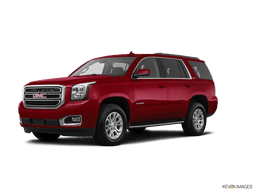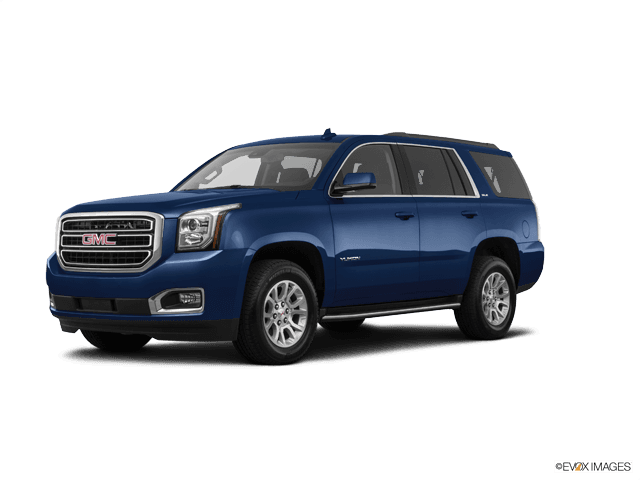
















How to Replace the A/C Compressor on a 2018 GMC Yukon (R-134a System)
Step-by-step instructions with required tools, parts, safety tips, and proper evacuation/recharge guidance
How to Replace the A/C Compressor on a 2018 GMC Yukon (R-134a System)
Step-by-step instructions with required tools, parts, safety tips, and proper evacuation/recharge guidance


🔧 Yukon - A/C Compressor Replacement
Replacing the A/C compressor on your Yukon is a bigger job because the refrigerant must be recovered and the system must be vacuumed and recharged to the exact under-hood specification. The mechanical swap is straightforward, but the recharge/oil balance is where most DIY jobs go wrong.
Difficulty Level: Advanced | Estimated Time: 3-6 hours
Two quick questions so I can give you the exact, trim-correct recharge steps:
- Do you have rear A/C (rear roof vents for passengers)?
- Can you upload a clear photo of the under-hood A/C charge label (it lists refrigerant and oil amounts)?
⚠️ Safety & Precautions
- Refrigerant is under high pressure—do not loosen A/C lines until the system is professionally recovered.
- Wear eye protection and gloves; refrigerant/oil can cause frostbite and eye injury.
- Keep hands/tools clear of the belt drive; work with the engine OFF and key away.
- If you disconnect the battery: you may lose stored settings; wait 2 minutes before unplugging HVAC connectors.
🔧 Required Tools
You'll need the following tools for this repair:
- Safety glasses
- Nitrile gloves
- Floor jack (rated 3-ton minimum)
- Jack stands (rated 3-ton minimum)
- Wheel chocks
- Metric socket set (8mm-15mm)
- 3/8" drive ratchet
- 1/2" drive breaker bar
- Serpentine belt tool (specialty)
- Torque wrench (10-100 ft-lbs range)
- Trim clip removal tool
- Pick tool set
- A/C line disconnect tool set (specialty)
- Manifold gauge set for R-134a (specialty)
- Vacuum pump (specialty)
- Refrigerant scale (specialty)
- Scan tool with HVAC data (specialty)
🔩 Required Parts
HowToo sells all the parts you need for this repair:
- A/C compressor (correct fit for your Yukon) - Qty: 1
- A/C compressor clutch/coil assembly - Qty: 0-1 (only if not included)
- A/C compressor manifold gasket/O-ring kit - Qty: 1
- Receiver/drier or accumulator (if serviced separately on your system) - Qty: 1
- PAG refrigerant oil (OEM-correct type) - Qty: 1
- R-134a refrigerant (amount per under-hood label) - Qty: As needed
- Serpentine belt - Qty: 0-1 (recommended if worn/cracked)
📋 Before You Begin
- Park on level ground, set the parking brake, and chock the rear wheels.
- Have an A/C shop recover the refrigerant first. Ask them to leave the system empty (0 psi).
- Once recovered, open the hood and let the engine cool fully.
- If you’ll unplug compressor/HVAC connectors, disconnect the negative battery cable using a 10mm socket.
🔨 Step-by-Step Instructions
Follow these steps in order:
Step 1: Confirm the system is empty (no pressure)
- Connect the R-134a manifold gauge set to the high/low service ports.
- If either gauge shows pressure, stop—use a shop to recover refrigerant first.
Step 2: Raise and support the front of the Yukon
- Use a floor jack (rated 3-ton minimum) to lift the front at the proper jacking point.
- Set the vehicle on jack stands (rated 3-ton minimum) and shake-test for stability.
Step 3: Remove lower splash shielding for access
- Use a trim clip removal tool and metric socket set (8mm-15mm) to remove the fasteners.
- Set fasteners aside by location. Bag and label bolts as you go.
Step 4: Release serpentine belt tension
- Use a serpentine belt tool (specialty) to rotate the belt tensioner and slip the belt off the A/C compressor pulley.
- Inspect the belt for cracks/glazing; replace if worn.
Step 5: Stop here until you share the A/C label photo
- The next steps (line removal, oil balancing, evacuation, and recharge) must match your Yukon’s exact refrigerant charge and oil quantity from the under-hood label.
- Once you upload that label photo and confirm rear A/C, I’ll give you the exact remaining steps including the correct oil handling and recharge method.
✅ After Repair
- After recharge, run A/C on MAX and verify cold vent temps and stable pressures.
- Check for leaks at the compressor manifold and service ports.
- If the A/C cycles rapidly or cooling is weak, stop and re-check charge amount and airflow (fan/clogged condenser).
💰 DIY vs Shop Cost
Shop Cost: $1,200-$2,200 (parts + labor)
DIY Cost: $350-$900 (parts only)
You Save: $300-$1,300 by doing it yourself!
Shop labor rates vary but typically run $100-$150/hour. This repair takes a shop approximately 3-5 hours.
🎯 Ready to get started?
HowToo makes it easy: same-day/2-day shipping on every part, plus all the tools and specialty tools you need! Check out the parts and tools sections below to add everything to your cart.