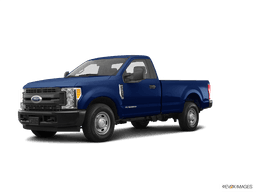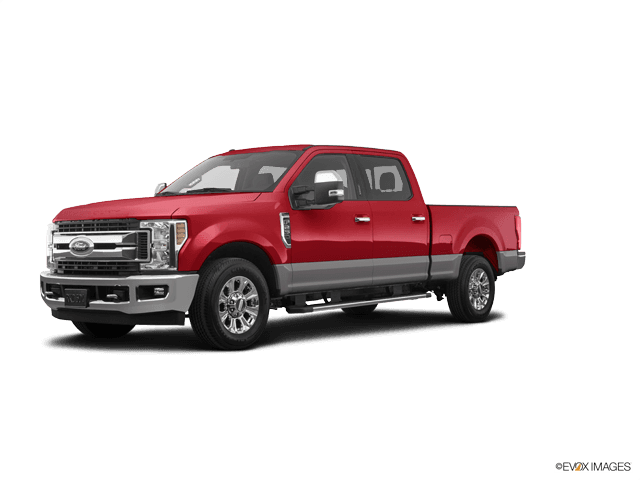
















How to Replace the A/C Compressor on a 2018 Ford F-250 Super Duty
Step-by-step removal and installation with required tools, parts list, safety tips, and evac/recharge guidance
How to Replace the A/C Compressor on a 2018 Ford F-250 Super Duty
Step-by-step removal and installation with required tools, parts list, safety tips, and evac/recharge guidance


🔧 F-250 - A/C Compressor Replacement
On your F-250, replacing the A/C compressor is a mechanical swap plus an A/C system service (recover refrigerant, pull vacuum, and recharge). The key is doing it cleanly (no dirt in the lines) and replacing the right sealing parts so it doesn’t leak.
Difficulty Level: Advanced | Estimated Time: 3-6 hours (plus A/C machine time)
⚠️ Safety & Precautions
- ⚠️ Do not vent refrigerant to the air—recover it with proper equipment.
- ⚠️ Keep hands/tools clear of the belt drive and fan area.
- ⚠️ Work on a cool engine; hot exhaust and coolant pipes can burn.
- ⚠️ Wear eye protection—refrigerant/oil can injure eyes.
- Disconnect the negative battery cable before unplugging the compressor connector.
- Keep all A/C openings capped; dirt/moisture can ruin the new compressor.
🔧 Required Tools
You'll need the following tools for this repair:
- Safety glasses
- Nitrile gloves
- Floor jack (rated 3-ton minimum)
- Jack stands (rated 3-ton minimum)
- Wheel chocks
- 3/8" drive ratchet
- 1/2" drive ratchet
- Socket set (8mm-18mm)
- Wrench set (8mm-18mm)
- Serpentine belt tool (specialty)
- Torque wrench (10-150 ft-lbs)
- Flat trim tool
- Pick set
- A/C line plug/cap kit
- Refrigerant recovery machine (specialty)
- Manifold gauge set (R-134a) (specialty)
- Vacuum pump (specialty)
- Refrigerant scale (specialty)
- UV leak detection light (specialty)
🔩 Required Parts
HowToo sells all the parts you need for this repair:
- A/C compressor - Qty: 1
- A/C compressor manifold O-ring set - Qty: 1
- A/C accumulator/drier - Qty: 1
- Fixed orifice tube - Qty: 1
- PAG compressor oil (correct type for your F-250) - Qty: 1
- R-134a refrigerant (system charge per underhood label) - Qty: 1
📋 Before You Begin
- Park on level ground, set the parking brake, and chock the rear wheels.
- Let the engine fully cool.
- Have the refrigerant recovered with an A/C machine before any line is opened.
- Please confirm 2 things so I can give torque-accurate, trim-correct steps:
- Is the refrigerant on your underhood A/C label R-134a (most common) and what is the listed charge amount?
- Are you doing a full DIY evac/recharge, or will a shop handle recover/vacuum/recharge after you swap the compressor?
🔨 Step-by-Step Instructions
Follow these steps in order:
Step 1: Recover the refrigerant (required before opening the system)
- Use a refrigerant recovery machine (specialty) to recover the A/C system completely.
- If you’re not doing A/C machine work at home, stop here and have a shop recover it first.
- Never crack lines “to see if it’s empty.”
Step 2: Disconnect the battery
- Use a 10mm socket to disconnect the negative battery cable and isolate it so it can’t spring back.
Step 3: Gain access to the compressor
- Raise the front safely using a floor jack (rated 3-ton minimum) and support with jack stands (rated 3-ton minimum).
- Remove any lower splash shields if equipped using a socket set (8mm-18mm) and flat trim tool.
Step 4: Remove the serpentine belt from the A/C compressor
- Use a serpentine belt tool (specialty) to rotate the belt tensioner and slip the belt off the A/C compressor pulley.
- Take a belt routing photo first.
Step 5: Disconnect the compressor electrical connector
- Release the lock tab and unplug the connector by hand.
- If the lock is stubborn, use a pick set gently to lift the tab.
Step 6: Disconnect the A/C manifold lines at the compressor
- Place rags under the connection area.
- Use the correct socket set (8mm-18mm) to remove the compressor line manifold retaining bolt(s).
- Carefully wiggle the manifold block free (do not pry on the aluminum lines).
- Immediately cap the open lines and compressor ports using an A/C line plug/cap kit.
Step 7: Remove the compressor
- Support the compressor with one hand.
- Use the correct socket set (8mm-18mm) to remove the compressor mounting bolts.
- Remove the compressor from the bracket and lower it out.
- Torque specs note: I will provide exact bolt and manifold torque values once you confirm the underhood label details above (Ford has multiple fastener torque specs depending on the compressor/manifold setup).
Step 8: Replace the accumulator/drier and orifice tube (strongly recommended)
- The accumulator/drier contains desiccant that absorbs moisture; once the system is opened, it can saturate and cause corrosion/ice blockage.
- Use a pick set and the appropriate socket set (8mm-18mm) to remove and replace these components where accessible.
- Cap lines immediately after opening.
Step 9: Prepare the new compressor (oil balancing)
- Drain and measure the oil from the old compressor into a clean container (tip it and rotate the hub by hand if possible).
- Add the same amount of fresh PAG compressor oil (correct type for your F-250) into the new compressor unless Ford service procedure specifies otherwise for your exact setup.
- Rotate the compressor hub by hand several turns to distribute oil.
Step 10: Install new O-rings and reinstall the manifold lines
- Remove old O-rings using a pick set (do not scratch the sealing surfaces).
- Lightly coat the new O-rings with clean PAG compressor oil (correct type for your F-250).
- Reinstall the manifold block and start bolts by hand to avoid cross-threading.
- Torque specs note: I’ll give the exact manifold bolt torque once you confirm your label details.
Step 11: Reinstall the compressor and belt
- Position the compressor and install mounting bolts finger-tight first.
- Tighten evenly with a torque wrench (10-150 ft-lbs).
- Reinstall the belt using a serpentine belt tool (specialty) and confirm it’s fully seated in every pulley groove.
Step 12: Evacuate and recharge the A/C system
- Connect a manifold gauge set (R-134a) (specialty) and pull vacuum using a vacuum pump (specialty).
- Verify it holds vacuum (leak check) before charging.
- Charge by weight using a refrigerant scale (specialty) with the exact amount listed on your underhood label.
- If a shop is doing this portion, tow/drive with A/C off and have them evacuate/recharge immediately to minimize moisture absorption.
✅ After Repair
- Reconnect the battery using a 10mm socket.
- Start the engine and switch A/C on; confirm the clutch engages (if equipped) and the air gets cold.
- Check for leaks at the compressor manifold with a UV leak detection light (specialty) if UV dye is present.
- Listen for belt squeal or bearing noise; re-check belt seating if anything sounds off.
💰 DIY vs Shop Cost
Shop Cost: ₹35,000-₹80,000 (parts + labor + refrigerant service)
DIY Cost: ₹18,000-₹55,000 (parts only, assuming you pay a shop for recover/evac/recharge)
You Save: ₹10,000-₹30,000 by doing it yourself!
Shop labor rates vary but typically run $100-$150/hour. This repair takes a shop approximately 3-5 hours.
🎯 Ready to get started?
HowToo makes it easy: same-day/2-day shipping on every part, plus all the tools and specialty tools you need! Check out the parts and tools sections below to add everything to your cart.