









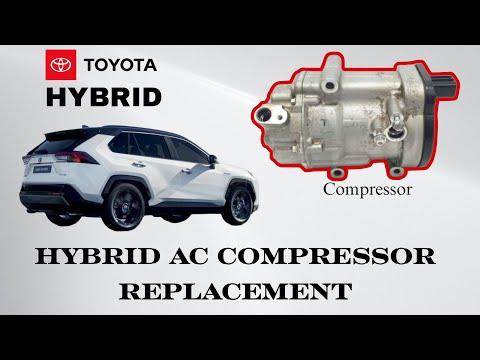






How to Replace the A/C Compressor on a 2018 Chrysler Pacifica Hybrid (R-1234yf)
Step-by-step high-voltage safety, required tools/parts, vacuum & recharge procedure, and post-repair checks
How to Replace the A/C Compressor on a 2018 Chrysler Pacifica Hybrid (R-1234yf)
Step-by-step high-voltage safety, required tools/parts, vacuum & recharge procedure, and post-repair checks


🔧 Pacifica - A/C Compressor Replacement
On your Pacifica Hybrid, the A/C compressor is a high-voltage electric unit (it’s not belt-driven like many gas-only vans). Replacing it requires safely disabling the hybrid high-voltage system and properly recovering/evacuating/recharging the refrigerant—both are critical to avoid injury and system damage.
Difficulty Level: Advanced | Estimated Time: 3-6 hours
⚠️ Safety & Precautions
- ⚠️ High voltage hazard: The hybrid A/C compressor is powered by the HV battery; improper handling can cause serious injury or death.
- ⚠️ Refrigerant handling: Refrigerant must be recovered with approved equipment; venting is hazardous and illegal in many places.
- ⚠️ Correct A/C oil is critical: Hybrid electric compressors use non-conductive oil; the wrong oil can damage the compressor and create HV leakage faults.
- ⚠️ Do not open the A/C system unless you can vacuum/charge it correctly; moisture contamination can ruin components.
- ⚠️ Battery disconnect/HV disable is required before touching the compressor or orange HV cables.
🔧 Required Tools
You'll need the following tools for this repair:
- Safety glasses
- Nitrile gloves
- High-voltage insulated gloves Class 0 (specialty)
- Insulated hand tool set 3/8" drive (specialty)
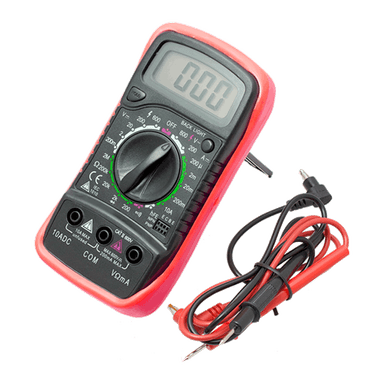
- Digital multimeter CAT III 600V minimum (specialty)
- Floor jack (rated 3-ton minimum)
- Jack stands (rated 3-ton minimum)
- Wheel chocks
- Metric socket set 8mm-18mm
- Metric wrench set 8mm-18mm
- Torque wrench 10-150 ft-lbs
- Trim clip removal tool
- Line/flare-nut wrench set (metric)
- A/C recovery/recharge machine for R-1234yf (specialty)
- R-1234yf manifold gauge set (specialty)
- Vacuum pump (A/C) (specialty)
- Electronic refrigerant leak detector for R-1234yf (specialty)
- OBD2 scan tool with hybrid + HVAC codes (specialty)
🔩 Required Parts
HowToo sells all the parts you need for this repair:
- A/C compressor (hybrid/electric type) - Qty: 1
- A/C compressor O-ring seal kit (R-1234yf compatible) - Qty: 1
- Hybrid/electric A/C compressor oil (non-conductive, OEM-specified) - Qty: 1
- R-1234yf refrigerant - Qty: 1 charge
- A/C receiver/drier or desiccant element (if specified for open-system service) - Qty: 1
📋 Before You Begin
- Park on level ground, set the parking brake, and use wheel chocks.
- Plan for downtime: once opened, the A/C system should be vacuumed and sealed quickly to keep moisture out.
- Confirm you have R-1234yf service equipment (this van typically uses R-1234yf, not R-134a).
- Have your OBD2 scan tool with hybrid + HVAC codes ready to check for A/C and HV isolation faults after the repair.
🔨 Step-by-Step Instructions
Follow these steps in order:
Step 1: Decide if this is a DIY-safe job for you
- If you do not have a R-1234yf recovery/recharge machine and HV insulated gloves Class 0, stop here and have a shop perform the work.
- Hybrid A/C work is shop-level for most DIYers.
Step 2: Scan for HVAC/hybrid fault codes
- Use an OBD2 scan tool with hybrid + HVAC codes to pull codes and freeze-frame data.
- Write down any A/C compressor, inverter, or HV isolation-related codes before disconnecting anything.
Step 3: Recover the refrigerant
- Connect the R-1234yf recovery/recharge machine (or R-1234yf manifold gauge set if required by your machine setup).
- Recover the refrigerant completely per your machine instructions and record the amount recovered.
Step 4: Disable the hybrid high-voltage system
- Put on High-voltage insulated gloves Class 0 and use insulated hand tools.
- Follow the OEM hybrid power-down procedure (key-off, secure vehicle, wait the specified capacitor discharge time).
- Use a digital multimeter CAT III 600V minimum to verify zero voltage at the proper test points before touching any orange HV connections.
- Do not skip the “wait time”.
Step 5: Raise and support the van
- Lift with a floor jack (rated 3-ton minimum) at the correct jacking point.
- Support with jack stands (rated 3-ton minimum) before going underneath.
Step 6: Remove shields/panels to access the compressor
- Remove any lower splash shields using a trim clip removal tool and a metric socket set 8mm-18mm as needed.
- Keep fasteners grouped by location for correct reassembly.
Step 7: Disconnect the high-voltage connector(s) at the compressor
- With HV insulated gloves Class 0 on, disconnect the HV connector at the compressor using insulated hand tools if needed.
- Inspect the connector for corrosion, coolant/oil intrusion, or damaged seals.
Step 8: Disconnect the A/C refrigerant lines
- Use a line/flare-nut wrench set (metric) to loosen the A/C line fittings or remove the manifold block fasteners (depending on the line style).
- Immediately cap/cover open lines to reduce moisture entry.
- Remove and discard old seals; do not reuse O-rings.
Step 9: Remove the compressor
- Support the compressor by hand and remove mounting bolts using a metric socket set 8mm-18mm.
- Remove the compressor from the bracket and lower it carefully.
- Reinstall fasteners later with a torque wrench 10-150 ft-lbs and torque to the Chrysler service-manual specification for your A/C compressor mounting bolts.
Step 10: Prep and install the new compressor
- Verify the replacement matches: correct ports, connector, and mounting points.
- Add only the OEM-specified non-conductive hybrid A/C compressor oil in the correct amount for component replacement (oil amount is service-manual specific).
- Install the compressor and tighten bolts using a torque wrench 10-150 ft-lbs to factory specification.
Step 11: Reconnect A/C lines with new seals
- Install new O-rings from the A/C compressor O-ring seal kit, lubricated lightly with the correct hybrid/electric A/C compressor oil.
- Tighten fittings using a line/flare-nut wrench set (metric) and finish with a torque wrench to factory specification.
Step 12: Reconnect HV connector(s) and reassemble shields
- Reconnect the compressor HV connector with HV insulated gloves Class 0 on; confirm it locks fully.
- Reinstall shields/panels using a metric socket set 8mm-18mm and clips with a trim clip removal tool as needed.
Step 13: Vacuum leak-check and recharge the system
- Pull a deep vacuum using a vacuum pump (A/C) and your R-1234yf manifold gauge set (or your machine’s vacuum function).
- Verify vacuum holds (no rise) before charging; if it won’t hold, find the leak with an electronic refrigerant leak detector for R-1234yf.
- Recharge with R-1234yf refrigerant using the exact under-hood label charge amount via the R-1234yf recovery/recharge machine.
Step 14: Re-enable the hybrid system and clear codes
- Re-enable HV power per the OEM procedure.
- Use the OBD2 scan tool with hybrid + HVAC codes to clear codes and run any A/C compressor initialization/tests if your scan tool supports it.
✅ After Repair
- Start the van and command A/C ON; verify cold air at the vents and stable compressor operation.
- Use the electronic refrigerant leak detector for R-1234yf around the compressor and line joints.
- Re-scan with the OBD2 scan tool with hybrid + HVAC codes and confirm no A/C or HV isolation faults return.
- If you get an HV isolation/A/C fault after repair, stop and have it inspected—this can indicate oil contamination or moisture intrusion.
💰 DIY vs Shop Cost
Shop Cost: $1,600-$3,200 (parts + labor)
DIY Cost: $600-$1,800 (parts only)
You Save: $1,000-$1,400 by doing it yourself!
Shop labor rates vary but typically run $100-$150/hour. This repair takes a shop approximately 3-6 hours.
🎯 Ready to get started?
HowToo makes it easy: same-day/2-day shipping on every part, plus all the tools and specialty tools you need! Check out the parts and tools sections below to add everything to your cart.