









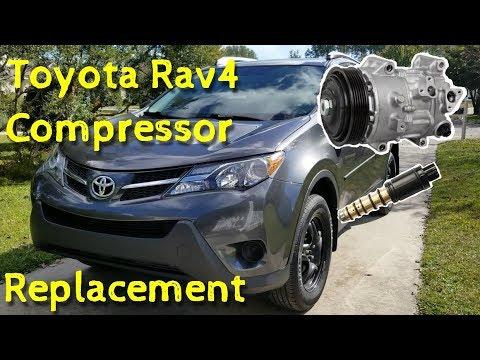




How to Replace the A/C Compressor on a 2017 Toyota RAV4 2.5L
Step-by-step DIY compressor swap with tools, parts list, torque specs, safety tips, and recharge guidance for 2016, 2017, 2018
How to Replace the A/C Compressor on a 2017 Toyota RAV4 2.5L
Step-by-step DIY compressor swap with tools, parts list, torque specs, safety tips, and recharge guidance for 2016, 2017, 2018


🔧 RAV4 - A/C Compressor Replacement
You’ll be removing the A/C compressor, swapping it with a new one, and then having the system vacuumed and recharged. The mechanical part is doable at home, but by law the refrigerant must be recovered and recharged with proper equipment.
Difficulty Level: Advanced | Estimated Time: 3-5 hours (plus shop time for evac/recharge)
⚠️ Safety & Precautions
- ⚠️ Do NOT vent refrigerant to the air. It is illegal, can cause frostbite, and can damage your eyes and lungs. Have a shop recover it before you start.
- ⚠️ Refrigerant can come out under high pressure; always assume the system is charged until a shop has evacuated it.
- ⚠️ Disconnect the negative battery terminal before working near the compressor and belt area.
- ⚠️ Support the vehicle with jack stands if you raise it; never rely only on a floor jack.
- ⚠️ Keep fingers and tools clear of the belt area; do not start the engine until everything is reassembled.
- ⚠️ Wear safety glasses and gloves whenever working under the vehicle or around refrigerant and oil.
🔧 Required Tools
You'll need the following tools for this repair:
- 🛠️ Metric socket set (8mm-19mm)
- 🛠️ 3/8" drive ratchet
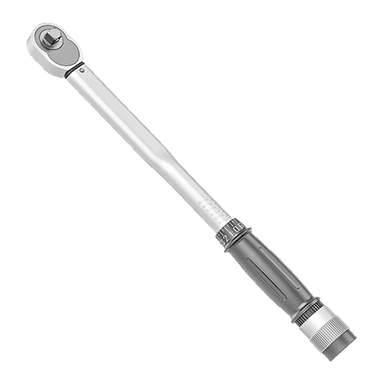
- 🛠️ 3/8" drive torque wrench (5-80 ft-lbs range)
- 🛠️ 10mm socket
- 🛠️ 12mm socket
- 🛠️ 14mm socket
- 🛠️ 6" extension (3/8" drive)
- 🛠️ Serpentine belt tool or 19mm combination wrench
- 🛠️ Flathead screwdriver (medium)
- 🛠️ Needle-nose pliers
- 🛠️ Trim clip removal tool
- 🛠️ Floor jack (rated 3-ton minimum)
- 🛠️ Jack stands (rated 3-ton minimum)
- 🛠️ Wheel chocks
- 🛠️ AC manifold gauge set (specialty)
- 🛠️ Vacuum pump for A/C systems (specialty)
- 🛠️ UV leak detection light (specialty)
- 🛠️ Drain pan
- 🛠️ Shop rags
- 🛠️ Safety glasses
- 🛠️ Mechanic gloves
🔩 Required Parts
HowToo sells all the parts you need for this repair:
- 🔩 A/C compressor assembly (with clutch) for 2.5L - Qty: 1
- 🔩 Compressor PAG oil (ND-OIL 8 equivalent, prefill check) - Qty: 1 small bottle
- 🔩 A/C suction line O-rings (compressor side) - Qty: 1 set
- 🔩 A/C discharge line O-rings (compressor side) - Qty: 1 set
- 🔩 Serpentine drive belt - Qty: 1 (recommended while you’re there)
- 🔩 R-134a refrigerant - Qty: ~21-23 oz total (shop will usually supply)
- 🔩 A/C system dye (R-134a compatible) - Qty: 1 (optional, for leak checking)
- 🔩 A/C receiver/drier (built into condenser) - Qty: 1 (recommended if compressor failed internally)
- 🔩 Compressor mounting bolts (if originals are corroded) - Qty: 4
- 🔩 Battery terminal protector spray - Qty: 1 (optional)
📋 Before You Begin
- 📝 Call a local A/C shop and ask them to recover the refrigerant from your RAV4. Tell them you’re replacing the compressor yourself and will come back for a vacuum and recharge.
- 📝 Park the RAV4 on level ground, set the parking brake, and place wheel chocks behind the rear wheels.
- 📝 Open the hood and note the A/C specification label (under hood) for the exact R-134a charge amount and oil type.
- 📝 After refrigerant recovery, at home, disconnect the negative battery terminal using a 10mm socket and move the cable aside.
- 📝 If you plan to use your own gauges and vacuum pump, keep them ready but do not open any A/C fittings until you are certain the system is empty.
🔨 Step-by-Step Instructions
Follow these steps in order:
Step 1: Raise and support the vehicle
- Use the floor jack to lift the front of the RAV4 at the front jacking point (center under the subframe).
- Place jack stands under the proper support points on both sides, then slowly lower the vehicle onto the stands.
- Give the body a gentle shake to confirm the RAV4 is stable. Never work under a car on just a jack.
Step 2: Remove the lower engine splash shield
- Use a 10mm socket and ratchet to remove the bolts holding the plastic splash shield under the engine.
- Use a trim clip removal tool or flathead screwdriver to pop out any plastic clips.
- Lower the shield and set it aside. Keep bolts and clips together.
Step 3: Locate the A/C compressor and inspect
- The A/C compressor is mounted low on the passenger side of the engine, driven by the serpentine belt.
- Visually identify the electrical connector and the two A/C lines (suction and discharge) that bolt to the compressor.
- Check for any heavy oil or metal shavings. Metal shavings mean system should be flushed.
Step 4: Remove the serpentine belt
- Note or take a photo of the belt routing before removal.
- Place a serpentine belt tool or 19mm wrench on the belt tensioner bolt.
- Rotate the tensioner clockwise to relieve belt tension, then slide the belt off the compressor pulley using your free hand.
- Slowly release the tensioner back to its resting position.
- Remove the belt fully if you’re replacing it. Do not let the wrench snap back.
Step 5: Disconnect the compressor electrical connector
- Locate the compressor clutch connector on the top or side of the compressor.
- Press the plastic tab with your fingers or a flathead screwdriver and gently pull the connector apart.
- Move the harness out of the way so it cannot be pinched later.
Step 6: Disconnect A/C lines from the compressor
- Confirm again that a shop has already recovered the refrigerant. If you hear a strong hiss when loosening, stop and have it recovered properly.
- Use a 12mm socket and ratchet to loosen and remove the bolt securing the discharge line (high-pressure) flange to the compressor.
- Gently pull the line away and cap or plug the open end with a clean rag to keep dirt out.
- Repeat with the suction line (low-pressure) using a 12mm socket.
- Remove the old O-rings from both lines using needle-nose pliers, being careful not to scratch the sealing surfaces.
- Torque later on reassembly: line bolts to 10 Nm (89 in-lbs).
Step 7: Unbolt and remove the old compressor
- Support the compressor with one hand while you remove its mounting bolts.
- Use a 14mm socket, extension, and ratchet to remove the 4 mounting bolts that hold the compressor to the engine bracket.
- Once the bolts are out, carefully lower the compressor and wiggle it out through the bottom.
- Torque later on reassembly: compressor mounting bolts to 25 Nm (18 ft-lbs).
Step 8: Prepare the new compressor
- A/C compressor oil is a special lubricant that circulates with refrigerant; your new compressor may come pre-filled.
- Check the instructions that came with the compressor for the correct oil type and amount (usually ND-OIL 8/PAG for this RAV4).
- If oil must be adjusted, remove the shipping plugs and pour oil into a measuring cup, then add or drain to match the specified volume. Reinstall the plugs.
- Rotate the compressor clutch by hand several turns to distribute oil inside. It should turn smoothly.
Step 9: Install new O-rings on A/C lines
- Select the correct-size new O-rings for the suction and discharge lines.
- Lightly coat each new O-ring with clean PAG oil from the compressor bottle; this helps sealing and prevents tearing.
- Install the O-rings in the grooves on the line fittings, not on the compressor.
Step 10: Mount the new compressor
- Position the new compressor in place, aligning the bolt holes with the engine bracket.
- Start all four mounting bolts by hand to avoid cross-threading.
- Use a 14mm socket and ratchet to snug the bolts evenly.
- Using the torque wrench and 14mm socket, tighten the mounting bolts to 25 Nm (18 ft-lbs) in a crisscross pattern.
Step 11: Reconnect A/C lines to the compressor
- Align the suction line flange to its port on the compressor, ensuring the O-ring stays in place.
- Install the suction line bolt by hand, then tighten using a 12mm socket and ratchet.
- Repeat for the discharge line.
- Use a torque wrench and 12mm socket to torque both line bolts to 10 Nm (89 in-lbs).
Step 12: Reconnect the compressor electrical connector
- Push the wiring connector back onto the compressor clutch terminal until it clicks.
- Gently tug on the connector to confirm it is fully seated.
- Ensure the wiring harness is routed away from the belt and any sharp edges.
Step 13: Reinstall or replace the serpentine belt
- Route the belt following your photo or the belt routing diagram under the hood.
- Leave the compressor pulley for last.
- Use the serpentine belt tool or 19mm wrench to rotate the tensioner clockwise and slip the belt over the compressor pulley.
- Release the tensioner slowly and double-check the belt is seated in every pulley groove.
Step 14: Reinstall the lower engine splash shield
- Lift the plastic shield back into place under the engine.
- Install the bolts with a 10mm socket and ratchet, then reinstall the plastic clips using the trim clip tool if needed.
- Snug the bolts; do not overtighten and crack the plastic.
Step 15: Lower the vehicle and reconnect the battery
- Use the floor jack to raise the RAV4 slightly, remove the jack stands, and lower the vehicle to the ground.
- Reconnect the negative battery cable with a 10mm socket and tighten it securely.
Step 16: Evacuate and recharge the A/C system
- If you have an AC manifold gauge set and vacuum pump and know how to use them safely, you can do this at home; otherwise, drive to the A/C shop.
- Have the shop pull a deep vacuum on the system (about 30 minutes), confirm it holds vacuum (no leaks), then recharge with the exact amount of R-134a shown on the under-hood label, plus correct oil amount.
- Ask them to add UV dye if desired for future leak checking.
✅ After Repair
- ✅ Start the engine, turn the A/C to MAX cold, fan high, and recirculation on.
- ✅ Verify the compressor clutch engages and disengages smoothly and that there are no strange noises from the compressor area.
- ✅ Check A/C line connections and compressor area for any signs of oil or refrigerant leaks.
- ✅ Confirm cold air from the center vents after a few minutes of running.
- ✅ After your first drive, recheck belt routing and listen again for any unusual belt squeal or knocking.
💰 DIY vs Shop Cost
Shop Cost: $1,200-$1,700 (parts + labor + evac/recharge)
DIY Cost: $450-$750 (compressor, O-rings, belt, plus about $100-$200 for professional evac/recharge)
You Save: $450-$1,000 by doing the mechanical work yourself!
Shop labor rates vary but typically run $100-$150/hour. This repair takes a shop approximately 3-4 hours.
🎯 Ready to get started?
HowToo makes it easy: same-day/2-day shipping on every part, plus all the tools and specialty tools you need! Check out the parts and tools sections above to add everything to your cart.