












How to Replace the AC Compressor on a 2016 Volvo XC60
Step-by-step instructions with tools, parts, safety tips, and recharge guidance for 2010, 2011, 2012, 2013, 2014, 2015, 2016
How to Replace the AC Compressor on a 2016 Volvo XC60
Step-by-step instructions with tools, parts, safety tips, and recharge guidance for 2010, 2011, 2012, 2013, 2014, 2015, 2016


🔧 AC Compressor - Replacement
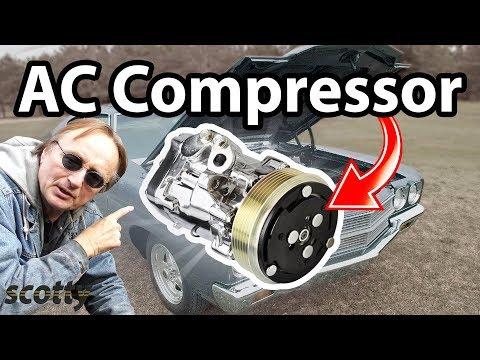
The AC compressor on your XC60 is a key part of the air conditioning system. Replacing it means opening the sealed refrigerant system, so the refrigerant must be professionally recovered before any disassembly, then the system must be evacuated and recharged after installation.
Difficulty Level: Advanced | Estimated Time: 4-6 hours
⚠️ Safety & Precautions
- Refrigerant can cause frostbite and eye injury. Wear safety glasses and gloves.
- Do not loosen any A/C lines until refrigerant has been recovered with proper equipment.
- Disconnect the negative battery cable before starting work near the belt drive and compressor wiring.
- Keep dirt out of the open A/C system. Cap every open line immediately.
- The serpentine belt and pulleys can pinch fingers. Work with the engine off only.
- An A/C system vacuum and recharge are required after repair.
🔧 Required Tools
You'll need the following tools for this repair:
- 10mm socket
- 13mm socket
- 15mm socket
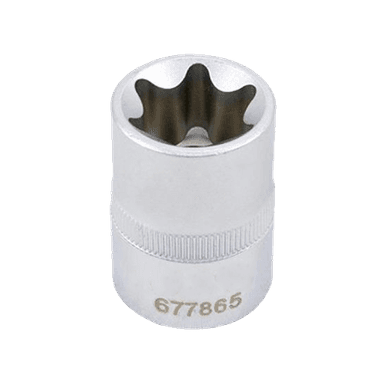
- E-Torx socket set
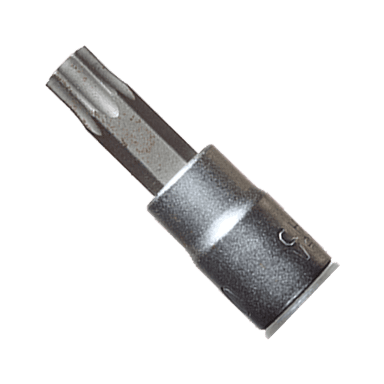
- Torx bit set
- Ratchet
- Breaker bar
- Torque wrench
- Serpentine belt tool (specialty)
- AC line cap set (specialty)
- R-134a recovery/recharge machine (specialty)
- Vacuum pump (specialty)
- Manifold gauge set (specialty)
- Drain pan
- Safety glasses
- Nitrile gloves
- Floor jack (rated 3-ton minimum)
- Jack stands
🔩 Required Parts
HowToo sells all the parts you need for this repair:
- AC compressor - Qty: 1
- AC compressor O-rings and seal kit - Qty: 1
- Receiver drier or desiccant cartridge - Qty: 1
- Serpentine belt - Qty: 1
- AC compressor oil - Qty: 1 bottle
- R-134a refrigerant - Qty: system fill
📋 Before You Begin
- Park on level ground and set the parking brake.
- Recover the refrigerant from the system before opening any AC line.
- Disconnect the negative battery cable.
- Raise the front of the vehicle if needed for lower access, then support it with jack stands.
- Replace the receiver drier or desiccant cartridge anytime the system is opened.
🔨 Step-by-Step Instructions
Follow these steps in order:
Step 1: Recover refrigerant and disconnect battery
- Use an approved R-134a recovery machine to remove all refrigerant from the system.
- Disconnect the negative battery cable with a 10mm socket.
- Never crack lines open under pressure.
Step 2: Remove the engine cover and intake access parts
- Remove the engine cover using the correct Torx bit or by lifting it off if equipped that way.
- Remove any intake ducting or covers blocking access to the belt drive and compressor with the Torx bit set and 10mm socket.
Step 3: Remove the serpentine belt
- Use a serpentine belt tool (specialty) or breaker bar on the belt tensioner to relieve tension.
- Slip the belt off the compressor pulley and then remove it from the rest of the pulleys.
- Replace the belt if it is cracked, glazed, or contaminated with oil.
Step 4: Disconnect the compressor electrical connector and refrigerant lines
- Unplug the compressor electrical connector by hand.
- Use the correct E-Torx socket or Torx bit to remove the refrigerant line retaining fasteners, if equipped.
- Carefully remove the suction and discharge lines from the compressor.
- Immediately cap the open lines with AC line cap set (specialty).
- Replace all line seals with new O-rings lightly coated in clean AC oil.
Step 5: Remove the compressor
- Support the compressor with one hand while removing the mounting bolts with a 13mm socket or the correct E-Torx socket.
- Lower the compressor out of the engine bay.
- Keep the hoses and wires clear.
Step 6: Prepare and install the new compressor
- Compare the new compressor to the old one before installing.
- Add the correct amount of compressor oil to the new unit if it is not pre-filled.
- Install the compressor into position and hand-start all mounting bolts.
- Tighten the compressor mounting bolts with a torque wrench to the Volvo-specified value for your exact bracket and compressor style.
Step 7: Reconnect refrigerant lines and electrical connector
- Install new O-rings on the refrigerant lines and lubricate them with clean compressor oil.
- Reconnect the refrigerant lines and tighten the retaining fasteners with the correct E-Torx socket or Torx bit.
- Reconnect the electrical connector until it clicks.
Step 8: Reinstall the belt and removed parts
- Route the serpentine belt using the factory belt path.
- Use the serpentine belt tool (specialty) to release the tensioner and slip the belt into place.
- Reinstall any intake ducting, covers, and the engine cover using the 10mm socket and Torx bit set.
- Reconnect the negative battery cable with a 10mm socket.
Step 9: Evacuate, leak-check, and recharge
- Use a vacuum pump (specialty) and manifold gauge set (specialty) to evacuate the system for at least 30 minutes.
- Check that the system holds vacuum before recharging.
- Recharge the system with the exact refrigerant amount listed on the under-hood label.
- Start the engine and turn the AC on to verify compressor operation.
✅ After Repair
- Check for cold air at the vents.
- Inspect all compressor line connections for leaks.
- Listen for abnormal belt noise or compressor clutch noise.
- Verify the condenser fans cycle properly with the AC on.
- If cooling is weak, recheck refrigerant charge and leak integrity.
💰 DIY vs Shop Cost
Shop Cost: $1,200-$2,100 (parts + labor)
DIY Cost: $450-$950 (parts only)
You Save: $750-$1,150 by doing it yourself!
Shop labor rates vary but typically run $100-$150/hour. This repair takes a shop approximately 4-6 hours.
🎯 Ready to get started?
HowToo makes it easy: same-day/2-day shipping on every part, plus all the tools and specialty tools you need! Check out the parts and tools sections below to add everything to your cart.