









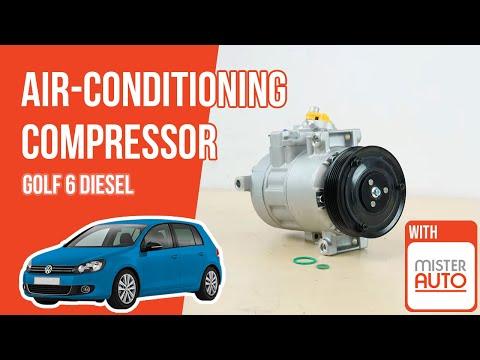



How to Replace the AC Compressor on a 2016 Volkswagen Golf
Step-by-step instructions with tools, parts, torque specs, and AC recharge tips for 2015
How to Replace the AC Compressor on a 2016 Volkswagen Golf
Step-by-step instructions with tools, parts, torque specs, and AC recharge tips for 2015


🔧 AC Compressor - Replacement
The AC compressor on your Golf must be removed only after the refrigerant has been properly recovered. This job usually involves the drive belt, electrical connector, refrigerant lines, and compressor mounting bolts, then recharging the system after installation.
Difficulty Level: Advanced | Estimated Time: 4-6 hours
⚠️ Safety & Precautions
- Have the refrigerant professionally recovered before opening any AC line. Refrigerant can cause severe frostbite and eye injury.
- Disconnect the negative battery terminal before unplugging the compressor clutch/control connector. This is especially important around the starter and accessory belt area.
- Keep hands, tools, and clothing away from the serpentine belt path while working.
- Do not run the AC system empty after repair. The system must be vacuumed and recharged with the correct refrigerant amount.
- Replace the receiver/drier or desiccant component if the system was open to air for an extended time.
🔧 Required Tools
You'll need the following tools for this repair:
- 10mm socket
- 13mm socket
- 16mm socket
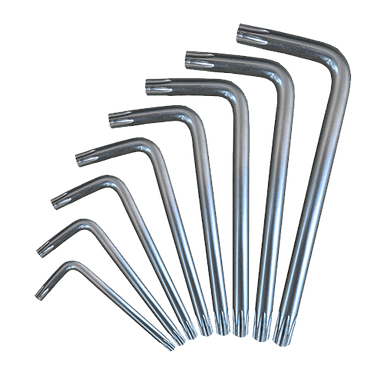
- Torx T25 screwdriver
- Torx T30 screwdriver
- Ratchet
- Breaker bar
- Serpentine belt tool
- Line wrench set
- Torque wrench
- Drain pan
- Trim tool
- Floor jack (rated 3-ton minimum)
- Jack stands
- Safety glasses
- Nitrile gloves
🔩 Required Parts
HowToo sells all the parts you need for this repair:
- AC compressor - Qty: 1
- AC compressor mounting bolts - Qty: 1 set
- AC line O-rings - Qty: 1 set
- Serpentine belt - Qty: 1
- Refrigerant oil - Qty: 1 bottle
- R-134a refrigerant - Qty: 1 service fill
- Receiver/drier or desiccant service part - Qty: 1
📋 Before You Begin
- Park on level ground and set the parking brake.
- Let the engine cool completely.
- Recover the refrigerant with approved equipment before disconnecting any AC line.
- Disconnect the negative battery terminal before starting work.
- If equipped with lower engine covers, remove them first for access.
🔨 Step-by-Step Instructions
Follow these steps in order:
Step 1: Remove the lower engine covers
- Use a Torx T25 screwdriver or Torx T30 screwdriver to remove the lower splash shield fasteners.
- Set the cover aside so you can reach the belt drive and compressor area.
Step 2: Disconnect the battery
- Use a 10mm socket to disconnect the negative battery terminal.
- Move the cable aside so it cannot spring back into contact.
Step 3: Recover the refrigerant
- Have the AC system evacuated with approved recovery equipment before loosening any refrigerant line.
- This step must be done before opening the system.
Step 4: Remove the serpentine belt
- Use a serpentine belt tool or breaker bar to relieve tension from the belt tensioner.
- Slip the belt off the AC compressor pulley and remove it from the engine.
- Take a photo of belt routing first.
Step 5: Disconnect the compressor electrical connector and lines
- Unplug the compressor connector by hand after releasing any locking tab.
- Use a line wrench set to disconnect the refrigerant line fittings.
- Cap the open lines immediately to keep dirt and moisture out.
Step 6: Remove the compressor
- Use a 13mm socket and 16mm socket to remove the compressor mounting bolts.
- Support the compressor with one hand as you remove the last bolt.
- Lower it out carefully from below.
Step 7: Prepare the new compressor
- Add the correct amount of refrigerant oil to the new compressor if it is shipped dry.
- Replace all line O-rings with new ones.
- Lightly coat new O-rings with clean refrigerant oil before installation.
Step 8: Install the new compressor
- Position the compressor in place by hand.
- Use the 13mm socket and 16mm socket to install the mounting bolts.
- Torque to 25 Nm (18 ft-lbs) unless the replacement compressor instructions specify otherwise.
Step 9: Reconnect the refrigerant lines and connector
- Install the refrigerant lines with the new O-rings.
- Use the line wrench set to tighten the fittings evenly.
- Torque to 10 Nm (7 ft-lbs) for the line fittings, unless the fitting design calls for a different spec.
- Reconnect the compressor electrical connector until it clicks.
Step 10: Reinstall the belt and covers
- Use the serpentine belt tool to release the tensioner again.
- Route the belt exactly as it was before.
- Reinstall the lower engine covers with the Torx T25 screwdriver or Torx T30 screwdriver.
Step 11: Vacuum and recharge the AC system
- Have the system evacuated, vacuumed, leak-checked, and recharged with the correct refrigerant amount.
- Use the factory-specified refrigerant charge listed on the under-hood label.
✅ After Repair
- Start the engine and check that the belt tracks straight.
- Turn the AC on and confirm cold air at the vents.
- Listen for abnormal compressor noise.
- Check all compressor lines and fittings for leaks.
- If the cooling is weak, have the system leak-tested and verified by pressure readings.
💰 DIY vs Shop Cost
Shop Cost: $1,100-$1,800 (parts + labor)
DIY Cost: $450-$950 (parts only)
You Save: $650-$850 by doing it yourself!
Shop labor rates vary but typically run $100-$150/hour. This repair takes a shop approximately 4-6 hours.
🎯 Ready to get started?
HowToo makes it easy: same-day/2-day shipping on every part, plus all the tools and specialty tools you need! Check out the parts and tools sections below to add everything to your cart.