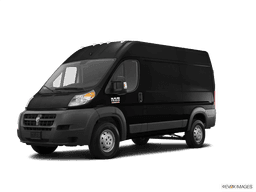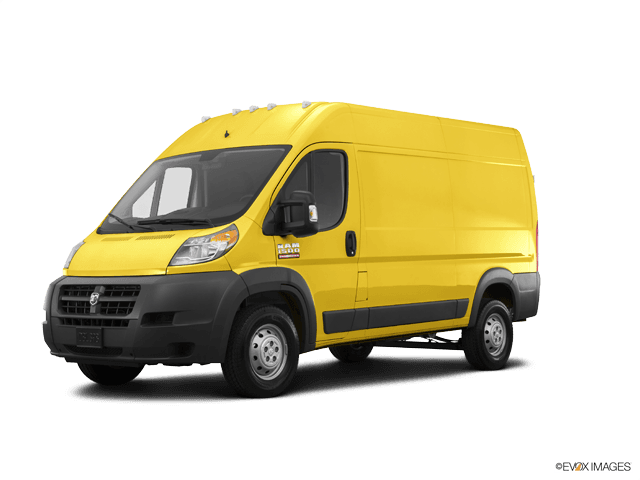
















How to Replace the A/C Compressor on a 2016 Ram ProMaster 1500 (R-134a System)
Step-by-step compressor swap with required tools/parts, safety tips, and proper evacuate & recharge instructions for 2014, 2015, 2016, 2017
How to Replace the A/C Compressor on a 2016 Ram ProMaster 1500 (R-134a System)
Step-by-step compressor swap with required tools/parts, safety tips, and proper evacuate & recharge instructions for 2014, 2015, 2016, 2017


🔧 ProMaster - A/C Compressor Replacement
Replacing the A/C compressor on your ProMaster means removing the drive belt, disconnecting the refrigerant lines, swapping the compressor, then evacuating and recharging the system. The most important part is handling the refrigerant correctly and keeping dirt/moisture out of the A/C lines.
Difficulty Level: Advanced | Estimated Time: 3-6 hours
Assumption: Your ProMaster uses R-134a refrigerant (typical for 2016).
⚠️ Safety & Precautions
- ⚠️ Do not vent refrigerant—have the system professionally recovered first.
- ⚠️ Wear safety glasses and gloves—refrigerant can cause frostbite and eye injury.
- ⚠️ Work on a cool engine—hot parts can burn you.
- ⚠️ Disconnect the negative battery cable to prevent accidental shorts.
- ⚠️ Cap/plug A/C lines immediately—moisture ruins A/C components.
- ⚠️ Support the van with jack stands—never rely on a jack alone.
🔧 Required Tools
You'll need the following tools for this repair:
- Safety glasses
- Nitrile gloves
- Floor jack (rated 3-ton minimum)
- Jack stands (rated 3-ton minimum)
- Wheel chocks
- Metric socket set (8mm-18mm)
- 3/8" drive ratchet
- 1/2" drive ratchet
- 3/8" drive torque wrench (10-80 Nm range)
- 1/2" drive torque wrench (40-200 Nm range)
- Serpentine belt tool (specialty)
- Trim clip removal tool
- Flat-blade screwdriver
- Pry bar
- Pick set
- Line caps/plugs kit (specialty)
- A/C spring-lock/line disconnect tool set (specialty)
- A/C manifold gauge set for R-134a (specialty)
- Vacuum pump (specialty)
- Refrigerant scale (specialty)
- O-ring lubricant (PAG oil)
- Shop rags
- Flashlight
🔩 Required Parts
HowToo sells all the parts you need for this repair:
- A/C compressor (correct fit for your ProMaster) - Qty: 1
- A/C compressor O-ring kit (R-134a compatible) - Qty: 1
- PAG A/C oil (R-134a compatible, correct viscosity for your compressor) - Qty: 1
- R-134a refrigerant - Qty: 1 system charge
- Serpentine belt - Qty: 1
- A/C receiver/drier or desiccant element (if serviced separately on your setup) - Qty: 1
📋 Before You Begin
- Park on level ground, set the parking brake, and chock the rear wheels.
- Have a shop recover the refrigerant before you loosen any A/C fitting.
- Disconnect the negative battery cable using a 10mm socket.
- Lay out clean shop rags and your line caps/plugs kit (specialty) so you can cap lines immediately.
- A/C systems hate moisture—work clean and quickly.
🔨 Step-by-Step Instructions
Follow these steps in order:
Step 1: Raise and secure the front
- Use wheel chocks behind the rear wheels.
- Use a floor jack (rated 3-ton minimum) to lift the front jacking point.
- Set the van onto jack stands (rated 3-ton minimum).
Step 2: Remove lower splash shields (if equipped)
- Use a trim clip removal tool and metric socket set (8mm-18mm) to remove fasteners.
- Use a flashlight to confirm you have clear access to the belt and compressor area.
Step 3: Relieve belt tension and remove the serpentine belt
- Use a serpentine belt tool (specialty) to rotate the belt tensioner and relieve tension.
- Slip the belt off the A/C compressor pulley first, then remove it fully.
- Take a photo of the belt routing.
Step 4: Unplug the compressor electrical connector
- Use a flat-blade screwdriver to gently release the lock tab (do not break it).
- Pull the connector straight off.
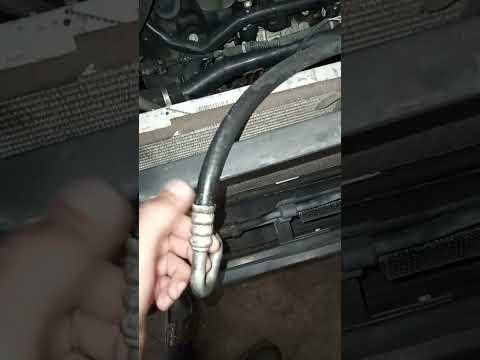
Step 5: Disconnect the A/C refrigerant lines at the compressor
- Put on safety glasses and nitrile gloves.
- Use a metric socket set (8mm-18mm) to remove the line retaining bolt(s) at the compressor manifold.
- If your fittings use a quick-disconnect style, use an A/C spring-lock/line disconnect tool set (specialty) to separate the connection.
- Immediately cap the open lines and compressor ports using the line caps/plugs kit (specialty).
Step 6: Remove the A/C compressor mounting bolts
- Use a metric socket set (8mm-18mm) with a 3/8" drive ratchet to remove the compressor mounting bolts.
- Support the compressor with one hand as you remove the last bolt.
- Lift the compressor out from below. Use a pry bar gently only if it’s stuck.
Step 7: Prepare the new compressor (oil + O-rings)
- Use a pick set to remove old O-rings from the line manifold (do not scratch aluminum surfaces).
- Install new O-rings from the A/C compressor O-ring kit (R-134a compatible).
- Lightly coat O-rings with O-ring lubricant (PAG oil) so they don’t tear during installation.
- If the new compressor is not pre-filled to spec, add the correct amount of PAG A/C oil for your ProMaster’s system and component replacement amount.
- Too much oil reduces cooling and can damage parts.
Step 8: Install the new compressor
- Set the compressor into position by hand.
- Start all mounting bolts by hand to avoid cross-threading.
- Tighten using a 3/8" drive torque wrench (10-80 Nm range): Torque to 25 Nm (18 ft-lbs).
Step 9: Reconnect the A/C refrigerant lines
- Remove the caps/plugs and connect the lines squarely to the compressor.
- Install the line retaining bolt(s) using a metric socket set (8mm-18mm).
- Tighten using a 3/8" drive torque wrench (10-80 Nm range): Torque to 10 Nm (89 in-lbs).
Step 10: Reconnect the compressor electrical connector
- Push the connector on until it clicks.
- Gently tug to confirm it’s locked.
Step 11: Reinstall the serpentine belt
- Route the belt according to your photo.
- Use the serpentine belt tool (specialty) to rotate the tensioner and slip the belt onto the last pulley.
- Visually confirm the belt is seated in every pulley groove.
Step 12: Reinstall splash shields and lower the van
- Reinstall shields using the trim clip removal tool and metric socket set (8mm-18mm).
- Lower the van using the floor jack (rated 3-ton minimum).
Step 13: Evacuate and recharge the A/C system (critical)
- Connect an A/C manifold gauge set for R-134a (specialty) to the high/low service ports.
- Pull vacuum using a vacuum pump (specialty) for at least 30–45 minutes.
- Close the valves and verify it holds vacuum (no leak) for about 10 minutes.
- Recharge by weight using a refrigerant scale (specialty) and R-134a refrigerant to the factory-specified charge amount on the under-hood A/C label.
Step 14: Reconnect the battery
- Reconnect the negative battery cable using a 10mm socket.
✅ After Repair
- Start the engine and set HVAC to MAX A/C and recirculation.
- Verify the air gets cold and the compressor runs smoothly (no loud knocking).
- Check for oily residue or bubbling at the compressor line connections (sign of a leak).
- If cooling is weak, recover and recharge by weight again—“pressure charging” is often inaccurate.
- Cold air but noisy compressor = stop and recheck oil.
💰 DIY vs Shop Cost
Shop Cost: $1,000-$2,000 (parts + labor + recover/recharge)
DIY Cost: $350-$900 (parts only, assuming you already have A/C tools)
You Save: $650-$1,100 by doing it yourself!
Shop labor rates vary but typically run $100-$150/hour. This repair takes a shop approximately 2.5-4.0 hours.
🎯 Ready to get started?
HowToo makes it easy: same-day/2-day shipping on every part, plus all the tools and specialty tools you need! Check out the parts and tools sections below to add everything to your cart.