









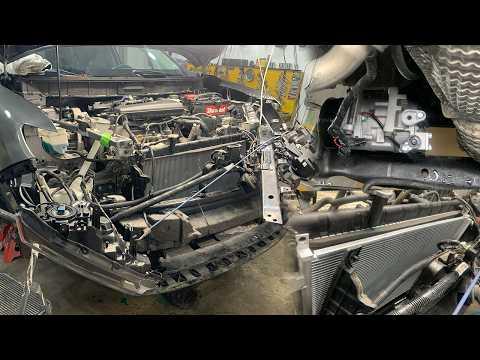







How to Replace the A/C Compressor on a 2016 Nissan Rogue (R-134a System)
Step-by-step replacement with required tools/parts, safety tips, vacuum procedure, and recharge-by-weight guidance
How to Replace the A/C Compressor on a 2016 Nissan Rogue (R-134a System)
Step-by-step replacement with required tools/parts, safety tips, vacuum procedure, and recharge-by-weight guidance


🔧 Rogue - A/C Compressor Replacement
Replacing the A/C compressor on your Rogue involves safely recovering the refrigerant, removing the drive belt and A/C lines, swapping the compressor, then vacuuming and recharging the system to the exact factory refrigerant weight. This job is very doable DIY, but the refrigerant handling steps require the right equipment and must be done legally and safely.
Difficulty Level: Advanced | Estimated Time: 3-6 hours
⚠️ Safety & Precautions
- ⚠️ Refrigerant is hazardous: do not vent to the air; recover it with proper equipment.
- ⚠️ Wear safety glasses and gloves; liquid refrigerant can cause frostbite.
- ⚠️ Work on a cool engine; keep hands clear of the belt and pulleys.
- ⚠️ Support the Rogue with jack stands on solid level ground; never rely on a jack.
- 🔋 Disconnect the negative battery terminal before unplugging the compressor clutch/valve connector.
🔧 Required Tools
You'll need the following tools for this repair:
- Safety glasses
- Nitrile gloves
- Floor jack (rated 3-ton minimum)
- Jack stands (rated 3-ton minimum)
- Wheel chocks
- Trim clip removal tool
- Plastic pry tool set
- Ratchet (3/8")
- Ratchet (1/2")
- Socket set (8mm-19mm)
- Wrench set (10mm-19mm)
- Torque wrench (10-100 ft-lbs)
- Serpentine belt tool (specialty)
- Line/flare-nut wrench set (10mm-17mm)
- Pick set
- Drain pan
- Shop rags
- A/C manifold gauge set for R-134a
- Refrigerant recovery machine (specialty)
- Vacuum pump (specialty)
- Refrigerant scale (specialty)
- UV leak detection light (optional)
🔩 Required Parts
HowToo sells all the parts you need for this repair:
- A/C compressor (new or remanufactured) - Qty: 1
- A/C compressor oil (PAG oil, Nissan-compatible spec) - Qty: 1
- A/C line O-ring kit (R-134a compatible) - Qty: 1
- R-134a refrigerant - Qty: As required
- Receiver/drier or condenser with integrated drier (recommended when compressor fails) - Qty: 1
- Expansion valve (recommended if compressor failed internally) - Qty: 1
- Serpentine drive belt (optional) - Qty: 1
📋 Before You Begin
- 🅿️ Park on level ground, set the parking brake, and chock the rear wheels.
- 🔧 If the compressor failed loudly or seized, plan to replace the receiver/drier and expansion valve to prevent repeat failure.
- 🧰 Arrange refrigerant recovery and recharge equipment ahead of time; the system must be vacuumed and recharged by weight.
- 🔋 Disconnect the negative battery terminal using a 10mm socket.
🔨 Step-by-Step Instructions
Follow these steps in order:
Step 1: Recover the refrigerant (required)
- Connect your A/C manifold gauge set for R-134a to the high/low service ports.
- Use a refrigerant recovery machine (specialty) to pull the refrigerant out of the system; this machine safely stores refrigerant instead of venting it.
- Confirm both gauges settle near 0 psi before opening any A/C lines.
Step 2: Raise the front and remove the lower covers
- Lift the front using a floor jack (rated 3-ton minimum) and support it with jack stands (rated 3-ton minimum).
- Remove engine undercovers/splash shields using a trim clip removal tool, plastic pry tool set, and socket set (8mm-19mm).
- Bag the clips by panel location.
Step 3: Remove the serpentine drive belt
- Relieve belt tension using a serpentine belt tool (specialty).
- Slip the belt off the A/C compressor pulley and then remove it fully if needed for access.
- Inspect the belt for cracks/glazing; replace if worn.
Step 4: Disconnect the compressor electrical connector
- Unplug the compressor connector using a plastic pry tool set (if the lock tab is tight).
- Move the harness aside so it can’t get pinched during removal.
Step 5: Disconnect the A/C lines from the compressor
- Place a drain pan under the compressor and wrap the area with shop rags.
- Remove the A/C line retaining bolt(s) using a socket set (8mm-19mm) (or use a wrench set (10mm-19mm) if access is tight).
- Carefully pull the lines straight out; use a pick set to remove old O-rings.
- Immediately cap/cover open lines with clean plastic to keep moisture out.
- Torque to Nissan factory specification using a torque wrench (10-100 ft-lbs).
Step 6: Remove the A/C compressor
- Support the compressor with one hand and remove the mounting bolts using a ratchet (3/8") and socket set (8mm-19mm).
- Lower and remove the compressor from underneath.
- Torque to Nissan factory specification during reinstallation using a torque wrench (10-100 ft-lbs).
Step 7: Prep the new compressor (oil + O-rings)
- Drain and measure oil from the old compressor into a drain pan (if it’s not catastrophically failed).
- Add the correct amount/type of A/C compressor oil (PAG oil, Nissan-compatible spec) to the new compressor per the compressor instructions; too much or too little oil can damage the system.
- Replace the line O-rings using the A/C line O-ring kit (R-134a compatible) and lightly coat them with clean PAG oil for sealing.
- Never reuse flattened or cut O-rings.
Step 8: Install the new compressor
- Position the compressor and start bolts by hand to avoid cross-threading.
- Tighten mounting bolts with a ratchet (3/8"), then final-tighten with a torque wrench (10-100 ft-lbs).
- Torque to Nissan factory specification.
Step 9: Reconnect the A/C lines
- Install the A/C lines straight into the compressor ports (do not force them at an angle).
- Install the retaining bolt(s) using a socket set (8mm-19mm) and final-tighten with a torque wrench (10-100 ft-lbs).
- Torque to Nissan factory specification.
Step 10: Reconnect the electrical connector and reinstall the belt
- Plug in the compressor connector until it clicks.
- Route the belt correctly and apply tension using the serpentine belt tool (specialty).
- Double-check the belt is seated in every pulley groove.
Step 11: Vacuum the system (moisture removal)
- Reconnect the A/C manifold gauge set for R-134a.
- Run a vacuum pump (specialty) for a deep vacuum; a vacuum pump boils moisture out of the system so it won’t freeze and block the expansion valve.
- Close the manifold valves and confirm it holds vacuum (no leak) before charging.
Step 12: Recharge by weight (not by pressure)
- Add refrigerant using R-134a refrigerant and a refrigerant scale (specialty); charging by weight is the only accurate way.
- Charge to the exact Rogue under-hood label specification.
- Reconnect the battery negative terminal using a 10mm socket.
Step 13: Reinstall undercovers and lower the vehicle
- Reinstall splash shields/undercovers using a trim clip removal tool and socket set (8mm-19mm).
- Lower the Rogue from jack stands (rated 3-ton minimum) using the floor jack (rated 3-ton minimum).
✅ After Repair
- Start the engine and set A/C to MAX; verify the compressor engages and vent air gets cold.
- Check for leaks at the compressor line connections using the A/C manifold gauge set for R-134a and visually for oily residue.
- If available, use a UV leak detection light (optional) after adding UV dye (only if your refrigerant/oil includes dye).
- Recheck belt tracking with the engine running; shut off immediately if it walks off a pulley.
💰 DIY vs Shop Cost
Shop Cost: $1,200-$2,200 (parts + labor + evac/recharge)
DIY Cost: $350-$900 (parts only, assuming you have access to A/C equipment)
You Save: $300-$1,300 by doing it yourself!
Shop labor rates vary but typically run $100-$150/hour. This repair takes a shop approximately 2.5-4.5 hours.
🎯 Ready to get started?
HowToo makes it easy: same-day/2-day shipping on every part, plus all the tools and specialty tools you need! Check out the parts and tools sections below to add everything to your cart.