









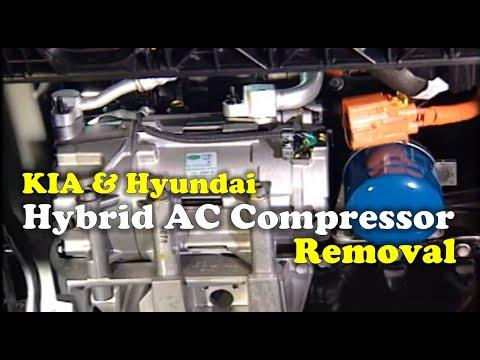






How to Replace the A/C Compressor on a 2016 Kia Optima Hybrid (High-Voltage Electric)
Step-by-step DIY guide with HV safety shutdown, required tools/parts, and proper R-134a evac & recharge tips
How to Replace the A/C Compressor on a 2016 Kia Optima Hybrid (High-Voltage Electric)
Step-by-step DIY guide with HV safety shutdown, required tools/parts, and proper R-134a evac & recharge tips


🔧 Optima - A/C Compressor Replacement
Your Optima Hybrid uses a high-voltage electric A/C compressor. Replacing it requires safely disabling the hybrid high-voltage (HV) system and properly recovering/evacuating/recharging the refrigerant so the A/C works correctly and components aren’t damaged.
Difficulty Level: Advanced | Estimated Time: 3-6 hours
⚠️ Safety & Precautions
- ⚠️ High voltage hazard: the A/C compressor can be HV-powered even with the engine off—disable the HV system before touching the compressor or orange cables.
- ⚠️ Refrigerant hazard: refrigerant can freeze skin/eyes—use gloves and safety glasses.
- ⚠️ Legal/required equipment: refrigerant must be recovered with proper equipment; do not vent to atmosphere.
- ⚠️ Use correct oil: hybrid electric compressors require non-conductive oil (typically POE/ND-11 type). Using the wrong oil can damage the compressor and create HV leakage.
- ⚠️ Battery disconnect required: disconnect 12V negative and remove the HV service disconnect, then wait before working.
🔧 Required Tools
You'll need the following tools for this repair:
- Safety glasses
- Nitrile gloves
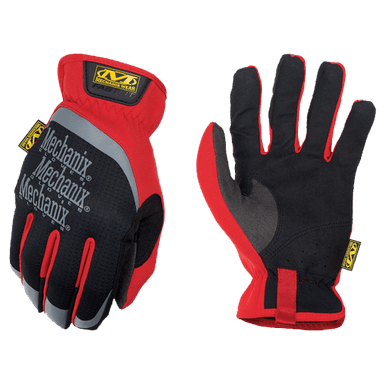
- HV insulated gloves Class 0 (1000V) with leather protectors
- Floor jack (rated 3-ton minimum)
- Jack stands (rated 3-ton minimum)
- Wheel chocks
- Metric socket set (8mm-19mm)
- 3/8" drive ratchet
- 3/8" drive torque wrench (10-100 Nm range)
- Metric combination wrench set (10mm-19mm)
- Flat trim clip tool
- Phillips screwdriver
- Pick tool
- Catch pan
- Shop rags
- A/C manifold gauge set for R-134a
- Refrigerant recovery machine (specialty)
- Vacuum pump (specialty)
- Refrigerant scale (specialty)
- OBD2 scan tool with Kia hybrid/AC data (specialty)
🔩 Required Parts
HowToo sells all the parts you need for this repair:
- A/C compressor (hybrid/electric type) - Qty: 1
- A/C compressor O-ring set - Qty: 1
- Refrigerant (R-134a) - Qty: 1 charge
- Electric A/C compressor oil (POE/ND-11 type) - Qty: as required
- Receiver/drier or condenser drier element (if serviced separately) - Qty: 1
📋 Before You Begin
- Park on level ground, set the parking brake, and chock the rear wheels.
- Let the car sit with ignition OFF; keep the key fob away from the car so it can’t “wake up.”
- Recover refrigerant using a refrigerant recovery machine (a powered machine that safely removes refrigerant into a tank).
- Disable HV system: disconnect 12V negative and remove the HV service disconnect, then wait the required time before touching HV components.
- Assumption: Exact torque values and HV service disconnect location can vary by production details; follow OEM service info for your Optima where noted.
🔨 Step-by-Step Instructions
Follow these steps in order:
Step 1: Recover the refrigerant
- Remove the under-hood service port caps (high and low side) by hand.
- Connect the A/C manifold gauge set for R-134a (a two-gauge hose set that connects to high/low ports) to the service ports.
- Use the refrigerant recovery machine (specialty) to recover the refrigerant completely per the machine prompts.
Step 2: Power down the hybrid high-voltage system
- Make sure ignition is OFF and the key fob is at least 15+ feet away.
- Open the hood and use a 10mm socket to disconnect the 12V battery negative terminal; isolate it so it can’t spring back.
- Put on HV insulated gloves Class 0 (1000V) before handling any HV service disconnect.
- Remove the HV service disconnect plug (location varies by Optima Hybrid layout; follow OEM access procedure).
- Wait at least 10 minutes for HV capacitors to discharge. Do not skip the wait.
Step 3: Raise the front of the car and remove undercovers
- Use a floor jack (rated 3-ton minimum) to lift the front jacking point.
- Support the car with jack stands (rated 3-ton minimum) under proper support points.
- Remove the lower engine splash shield/undercover using a flat trim clip tool and Phillips screwdriver.
Step 4: Remove components blocking access to the compressor
- Depending on access, remove the intake ducting and nearby brackets using a 10mm socket and 12mm socket.
- Place a catch pan under the work area and keep shop rags ready for any oil residue.
Step 5: Disconnect the A/C compressor electrical connector(s)
- Locate the compressor electrical connector(s) and any HV harness routing near the compressor.
- Use a pick tool to gently release connector locks, then unplug connectors by hand.
- Keep connectors clean and dry; do not allow oil/dirt into them.
Step 6: Disconnect the refrigerant lines from the compressor
- Use a metric combination wrench set (10mm-19mm) or metric socket set (8mm-19mm) (as equipped) to remove the suction/discharge line fasteners at the compressor.
- Immediately cap/cover open lines with clean rags to reduce moisture entry.
- Remove and discard old O-rings using a pick tool.
- Reinstall line fasteners later to Torque to OEM specification using a 3/8" drive torque wrench (10-100 Nm range).
Step 7: Remove the A/C compressor
- Support the compressor by hand.
- Remove compressor mounting bolts using a 12mm socket and 3/8" drive ratchet.
- Remove the compressor from the bracket and lower it out carefully.
- Reinstall mounting bolts later to Torque to OEM specification using a 3/8" drive torque wrench (10-100 Nm range).
Step 8: Prepare the new compressor (oil handling matters on hybrids)
- Confirm the replacement is the correct hybrid/electric compressor for your Optima.
- Add/adjust compressor oil only as specified for electric compressors using Electric A/C compressor oil (POE/ND-11 type).
- Do not use PAG oil or “universal” oil. Wrong oil can ruin the system.
Step 9: Install the new compressor
- Position the compressor and start bolts by hand.
- Tighten mounting bolts using a 12mm socket, then Torque to OEM specification with a 3/8" drive torque wrench (10-100 Nm range).
- Install new lubricated O-rings (light coat of correct POE/ND-11 oil) on the A/C line fittings.
- Reconnect refrigerant lines and tighten fasteners with a metric combination wrench set (10mm-19mm), then Torque to OEM specification using a 3/8" drive torque wrench where applicable.
Step 10: Reconnect electrical connectors and reassemble undercovers
- Reconnect compressor electrical connector(s) by hand until fully latched.
- Reinstall brackets/ducting using a 10mm socket and 12mm socket.
- Reinstall the splash shield using a flat trim clip tool and Phillips screwdriver.
Step 11: Restore HV power and 12V power
- Reinstall the HV service disconnect plug (still wearing HV insulated gloves Class 0 (1000V)).
- Reconnect the 12V negative terminal using a 10mm socket.
Step 12: Evacuate and recharge the A/C system
- Connect the A/C manifold gauge set for R-134a to the service ports again.
- Use a vacuum pump (specialty) to pull vacuum for at least 30-45 minutes (removes air/moisture).
- Verify vacuum holds (no leak) for 10-15 minutes with the pump off.
- Recharge by weight using a refrigerant scale (specialty) with the exact factory R-134a charge amount for your Optima (use the under-hood A/C label).
Step 13: Clear codes and verify A/C operation
- Use an OBD2 scan tool with Kia hybrid/AC data (specialty) to check for stored A/C or hybrid DTCs and clear them if appropriate.
- Start the car (READY mode) and set A/C to LO with blower on medium.
- Watch gauge pressures and vent temperature; confirm the compressor runs smoothly without unusual noise.
✅ After Repair
- Inspect for leaks at the compressor line fittings (oil residue is a common clue).
- Confirm the radiator fans cycle correctly with A/C on.
- Recheck undercovers and fasteners after a short test drive.
- If cooling is weak or codes return, re-check charge by weight and perform a leak test with proper equipment.
💰 DIY vs Shop Cost
Shop Cost: $1,200-$2,500 (parts + labor)
DIY Cost: $500-$1,600 (parts only)
You Save: $700-$900 by doing it yourself!
Shop labor rates vary but typically run $100-$150/hour. This repair takes a shop approximately 3-5 hours.
🎯 Ready to get started?
HowToo makes it easy: same-day/2-day shipping on every part, plus all the tools and specialty tools you need! Check out the parts and tools sections below to add everything to your cart.