
















How to Replace the A/C Compressor on a 2016 Buick Regal (R-134a System)
Step-by-step compressor removal/installation with required tools, parts, vacuum/recharge steps, and safety tips for 2014, 2015, 2016, 2017
How to Replace the A/C Compressor on a 2016 Buick Regal (R-134a System)
Step-by-step compressor removal/installation with required tools, parts, vacuum/recharge steps, and safety tips for 2014, 2015, 2016, 2017


🔧 Regal - A/C Compressor Replacement
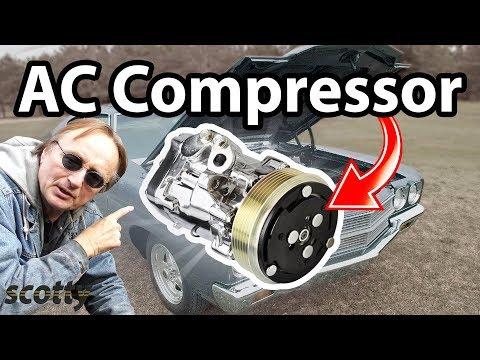
Replacing the A/C compressor on your Regal is a remove-and-reinstall job plus proper refrigerant recovery, vacuum, and recharge. The compressor is the heart of the system—if it’s seized, noisy, leaking, or not pumping, replacement is the correct fix.
Difficulty Level: Advanced | Estimated Time: 4-7 hours
Assumption: R-134a system; exact recharge weight is on your under-hood A/C label.
⚠️ Safety & Precautions
- ⚠️ Refrigerant can cause severe frostbite and eye injury—wear gloves and safety glasses.
- ⚠️ Do not vent refrigerant to the atmosphere. Recover it with proper equipment.
- ⚠️ Disconnect the negative battery cable to prevent accidental shorts.
- ⚠️ Let the engine cool before working near the radiator/turbo area.
- ⚠️ Support the vehicle with jack stands—never rely on a jack alone.
🔧 Required Tools
You'll need the following tools for this repair:
- Safety glasses
- Nitrile gloves
- Floor jack (rated 3-ton minimum)
- Jack stands (rated 3-ton minimum)
- Wheel chocks
- Trim clip remover tool
- 3/8" drive ratchet
- 1/2" drive ratchet
- 3/8" drive torque wrench
- 1/2" drive torque wrench
- Socket set (8mm-18mm)
- Torx bit set (T20-T30)
- E-Torx socket set (E10-E14)
- Serpentine belt tool (specialty)
- Line wrench set (13mm-19mm)
- Pick set
- Drain pan
- Shop rags
- A/C manifold gauge set (specialty)
- A/C vacuum pump (specialty)
- Refrigerant recovery machine (specialty)
- Refrigerant scale (specialty)
🔩 Required Parts
HowToo sells all the parts you need for this repair:
- A/C compressor - Qty: 1
- A/C compressor clutch/coil connector pigtail - Qty: 1 (only if damaged)
- A/C manifold/line O-ring kit - Qty: 1
- PAG A/C compressor oil (correct viscosity for your compressor) - Qty: 1
- Refrigerant (R-134a) - Qty: As required (by weight)
- Serpentine drive belt - Qty: 1 (optional, if cracked/glazed)
- A/C receiver/drier or desiccant element - Qty: 1 (recommended if system was open or compressor failed)
📋 Before You Begin
- Park on level ground, set the parking brake, and use wheel chocks.
- Recover the refrigerant with a refrigerant recovery machine (specialty). This is the machine that safely pulls refrigerant into a storage tank.
- Disconnect the negative battery terminal using a 10mm socket and isolate it so it can’t spring back.
- Raise the front of the car with a floor jack and support it on jack stands.
- Remove any lower splash shields using a trim clip remover tool and Torx T20/T30 bit (fasteners vary by shield).
🔨 Step-by-Step Instructions
Follow these steps in order:
Step 1: Recover refrigerant and verify system is empty
- Connect the A/C manifold gauge set (specialty) to the high/low service ports.
- Use the refrigerant recovery machine (specialty) to fully recover the refrigerant.
- Confirm both gauges read near 0 psi before opening any A/C lines.
Step 2: Remove underbody panels for access
- Remove the lower splash shield(s) using a Torx T20/T30 bit and socket set (8mm-10mm).
- Pop plastic clips with a trim clip remover tool so they don’t break. Work slowly; clips snap easily.
Step 3: Relieve belt tension and remove the serpentine belt
- Rotate the belt tensioner using a serpentine belt tool (specialty) (a long handled tool that safely moves the spring-loaded tensioner).
- Slip the belt off the A/C compressor pulley and then remove the belt from the other pulleys.
- If you’re reusing the belt, take a photo of the routing first.
Step 4: Disconnect the compressor electrical connector
- Unplug the compressor connector by releasing the lock tab using a pick set (gentle pressure).
- Tuck the harness aside so it won’t get pinched during removal.
Step 5: Remove the A/C line manifold from the compressor
- Place a drain pan under the compressor area and have shop rags ready.
- Remove the line/manifold retaining fastener using the correct socket or E-Torx socket (head style varies by supplier).
- Carefully wiggle the manifold free; do not pry hard on aluminum lines.
- Remove old O-rings with a pick set and discard them.
- Install new O-rings from the A/C manifold/line O-ring kit and lightly coat them with clean PAG oil so they don’t tear.
- Torque to factory specification for the manifold retaining fastener.
Step 6: Unbolt and remove the A/C compressor
- Support the compressor with one hand while removing bolts.
- Remove the compressor mounting bolts using an E-Torx socket or socket (varies by build) and a ratchet.
- Lower the compressor out from underneath. You may need to rotate it slightly for clearance.
- Torque to factory specification for compressor mounting bolts during installation.
Step 7: Prepare the new compressor (oil balancing)
- Check the new compressor paperwork: some units are shipped with oil, some are dry.
- If required, drain and measure oil from the old compressor into a container using a drain pan.
- Add the correct amount/type of PAG A/C compressor oil to the new compressor to match the system requirement.
- Slowly rotate the compressor hub by hand a few turns to distribute oil. Never power it dry.
Step 8: Install the new compressor
- Position the compressor and start all mounting bolts by hand to avoid cross-threading.
- Tighten using a ratchet, then finish with a torque wrench.
- Torque to factory specification for compressor mounting bolts.
Step 9: Reconnect A/C lines and electrical connector
- Reinstall the line manifold onto the compressor with new lubricated O-rings.
- Tighten the manifold fastener using a torque wrench.
- Torque to factory specification for the manifold fastener.
- Plug in the compressor electrical connector until it clicks.
Step 10: Reinstall the serpentine belt and shields
- Route the belt correctly, then move the tensioner with the serpentine belt tool (specialty) and slip the belt onto the last pulley.
- Visually confirm the belt is fully seated in every pulley groove.
- Reinstall splash shields using a Torx bit and socket set.
Step 11: Evacuate (vacuum) the A/C system
- Connect the A/C manifold gauge set (specialty) and the A/C vacuum pump (specialty).
- Pull vacuum for at least 30–45 minutes (longer if the system was open for a while).
- Close the valves and do a vacuum hold test for 10–15 minutes; loss of vacuum usually means a leak.
Step 12: Recharge with refrigerant by weight
- Recharge using a refrigerant scale (specialty) so the amount is correct.
- Add refrigerant to the exact weight listed on the under-hood A/C label.
- Start the engine and turn A/C to MAX; monitor pressures on the manifold gauge set.
✅ After Repair
- Reconnect the battery negative cable using a 10mm socket and ensure it’s tight.
- With the engine running and A/C on MAX, confirm the compressor engages and the air gets cold.
- Check for leaks at the compressor manifold area (oil residue is a common clue).
- If cooling is weak, do not “top off” blindly—recover, vacuum, and recharge by weight again.
- If the old compressor failed internally (metal debris), strongly consider flushing lines and replacing the drier/desiccant to prevent repeat failure.
💰 DIY vs Shop Cost
Shop Cost: $900-$1,800 (parts + labor)
DIY Cost: $350-$900 (parts only)
You Save: $550-$900 by doing it yourself!
Shop labor rates vary but typically run $100-$150/hour. This repair takes a shop approximately 3-5 hours.
🎯 Ready to get started?
HowToo makes it easy: same-day/2-day shipping on every part, plus all the tools and specialty tools you need! Check out the parts and tools sections below to add everything to your cart.