









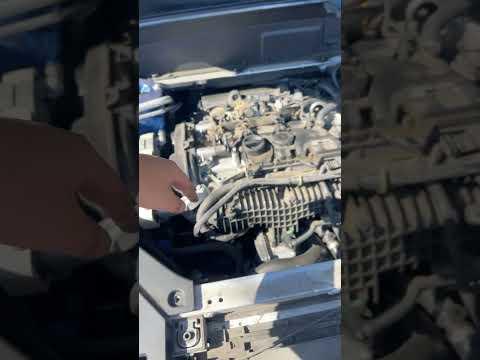





How to Replace the A/C Compressor on a 2016-2017 Volvo XC90 (Trim: T6 R-Design | Engine: Inline 4 2.0L)
Step-by-step repair guide with tools, parts, safety tips, and recharge instructions
How to Replace the A/C Compressor on a 2016-2017 Volvo XC90 (Trim: T6 R-Design | Engine: Inline 4 2.0L)
Step-by-step repair guide with tools, parts, safety tips, and recharge instructions for 2016


🔧 AC Compressor - Replacement
Your XC90’s A/C compressor is part of a sealed refrigerant system, so the refrigerant must be recovered before any lines are opened. After the new compressor is installed, the system must be evacuated, oil-balanced, and recharged to the exact factory spec for cold-air performance and compressor life.
Difficulty Level: Advanced | Estimated Time: 4-7 hours
⚠️ Safety & Precautions
- Have the refrigerant professionally recovered before starting. Do not vent refrigerant.
- Wear safety glasses and gloves. Refrigerant can cause frostbite.
- Disconnect the negative battery cable before unplugging compressor wiring.
- Keep dirt out of the open A/C lines. A small amount of contamination can damage the system.
- Replace any O-rings that are opened. Use only A/C-safe O-rings.
- Use the exact oil type and quantity specified for your XC90’s A/C system.
🔧 Required Tools
You'll need the following tools for this repair:
- Metric socket set
- Ratchet
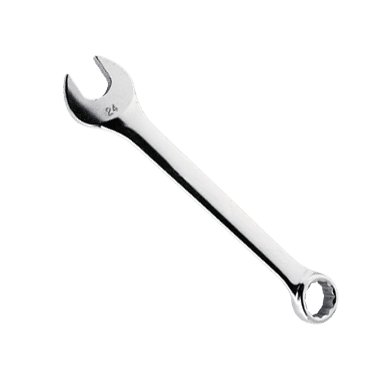
- Metric wrench set
- Torque wrench
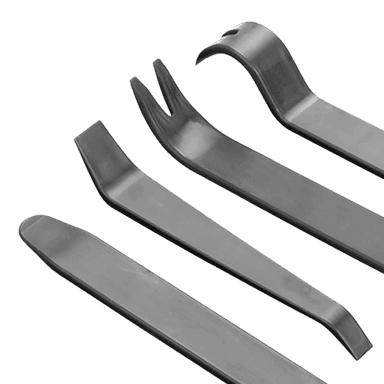
- Trim removal tool
- Serpentine belt tool or long-handled ratchet
- Pick tool
- Line cap set for A/C fittings
- Drain pan
- Floor jack (rated 3-ton minimum)
- Jack stands
- Safety glasses
- Nitrile gloves
- Vacuum pump
- Manifold gauge set
- Refrigerant recovery machine (specialty)
🔩 Required Parts
HowToo sells all the parts you need for this repair:
- A/C compressor - Qty: 1
- A/C compressor O-ring set - Qty: 1
- Serpentine belt - Qty: 1
- A/C compressor oil - Qty: 1 service fill
- Receiver drier or desiccant cartridge - Qty: 1
📋 Before You Begin
- Park on level ground and set the parking brake.
- Make sure the engine is completely cool.
- Recover the refrigerant before opening the system.
- Disconnect the negative battery cable.
- Cap every open line right away.
🔨 Step-by-Step Instructions
Follow these steps in order:
Step 1: Recover refrigerant and disconnect power
- Use a refrigerant recovery machine to remove the refrigerant from the system.
- Disconnect the negative battery cable with a metric wrench.
- Wait a few minutes before unplugging any A/C electrical connector.
Step 2: Remove the engine cover and access parts
- Use a trim removal tool to lift off the engine cover.
- Remove any intake ducting or covers blocking access to the compressor with the correct metric socket.
- Set fasteners aside in order.
Step 3: Release the serpentine belt
- Use a serpentine belt tool or long-handled ratchet to rotate the belt tensioner.
- Slip the belt off the compressor pulley.
- Inspect the belt and tensioner. Replace the belt if cracked or glazed.
- Take a photo of the belt path first.
Step 4: Disconnect the compressor
- Use a metric socket to remove the compressor electrical connector and mounting fasteners.
- Use a line wrench or the correct fitting tool to disconnect the A/C lines.
- Plug the open lines immediately with line caps.
- Remove the compressor from the engine bay.
Step 5: Prepare the new compressor
- Compare the new compressor to the old one before installing.
- Add the correct amount of A/C compressor oil to the new unit.
- Replace all A/C O-rings with new ones lightly coated in clean A/C oil.
Step 6: Install the new compressor
- Position the new compressor in place by hand.
- Use the metric socket and ratchet to install the mounting fasteners.
- Torque to factory specification.
- Reconnect the A/C lines with new O-rings installed.
- Torque to factory specification.
- Reconnect the electrical connector.
Step 7: Reinstall the serpentine belt
- Use the serpentine belt tool to rotate the tensioner again.
- Route the belt back over all pulleys exactly as before.
- Make sure the belt sits fully in every pulley groove.
Step 8: Evacuate and recharge the system
- Use a vacuum pump and manifold gauge set to evacuate the system.
- Hold vacuum and check for leaks before charging.
- Recharge with the exact refrigerant amount listed on the under-hood label.
- Verify the correct oil amount is in the system.
Step 9: Reassemble and test
- Reinstall any covers or intake parts with the metric socket and trim tool.
- Reconnect the negative battery cable.
- Start the engine and turn the A/C on max.
- Check for cold air, unusual noise, and refrigerant leaks.
✅ After Repair
- Make sure the compressor clutch engages properly, if equipped.
- Check vent temperature after several minutes of operation.
- Inspect all line connections for leaks.
- If cooling is weak, recheck charge amount and system pressures.
💰 DIY vs Shop Cost
Shop Cost: $1,200-$2,400 (parts + labor)
DIY Cost: $350-$900 (parts only)
You Save: $850-$1,500 by doing it yourself!
Shop labor rates vary but typically run $100-$150/hour. This repair takes a shop approximately 4-7 hours.
🎯 Ready to get started?
HowToo makes it easy: same-day/2-day shipping on every part, plus all the tools and specialty tools you need! Check out the parts and tools sections below to add everything to your cart.