













How to Replace the A/C Compressor on a 2015 Ram 1500
Step-by-step DIY compressor swap with tools, parts list, torque specs, and recharge tips for your 2015 Ram 1500 A/C system for 2014, 2015, 2016, 2017, 2018, 2019
How to Replace the A/C Compressor on a 2015 Ram 1500
Step-by-step DIY compressor swap with tools, parts list, torque specs, and recharge tips for your 2015 Ram 1500 A/C system for 2014, 2015, 2016, 2017, 2018, 2019


1500 - A/C Compressor Replacement ❄️
Replacing the A/C compressor on your 1500 is a medium–hard job, mainly because the A/C system is under high pressure and uses refrigerant gas. I’ll walk you through it in simple steps.
First, two quick questions so I can be exact:
- 🔧 Does your 1500 have the factory dual-zone automatic climate control, or the basic manual A/C (three simple knobs)?
- 🧊 Is the A/C currently still blowing cold at all, or totally warm/dead?
I’ll give the full procedure below assuming standard manual A/C; if yours is dual-zone, the steps are the same for the compressor, but control checks differ.
Safety & Big Warnings ⚠️
- ⚠️ Do NOT vent refrigerant (R-134a) to the air. It’s illegal and dangerous. The system must be evacuated with a proper A/C machine at a shop before you disconnect any A/C lines.
- ⚠️ Disconnect the negative battery cable before working near the belt and compressor.
- ⚠️ Work on a cold engine. Hot pulleys and exhaust can burn you.
Plan on having a local shop evacuate the system first, then you do the mechanical work, then they vacuum and recharge it.
Parts You’ll Need 📦
- 🔧 New A/C compressor (3.6L specific, with clutch and pulley)
- 🔧 New A/C compressor manifold O-rings (high and low side; use green HNBR A/C O-rings)
- 🔧 Receiver/drier or desiccant bag (Ram recommends replacing any time the system is opened for compressor failure)
- 🔧 Orifice tube / expansion device (if contaminated system or compressor seized)
- 🔧 PAG refrigerant oil (for 3.6L, typically PAG 46; confirm on compressor label)
- 🔧 R-134a refrigerant (shop will usually supply this when they recharge)
The new compressor usually comes pre-filled with oil; you must verify and adjust to factory spec.
Tools You’ll Need 🧰
- 🔧 Socket set (metric):
- Common sizes: 10mm, 13mm, 15mm sockets
- 3/8" ratchet and short extensions
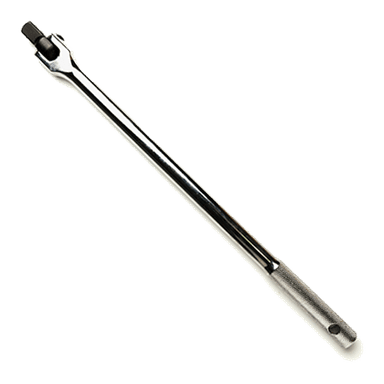
- 🔧 Serpentine belt tool or long-handled 3/8" or 1/2" ratchet Serpentine belt tool = a long, flat bar with a socket drive to move the belt tensioner.
- 🔧 Torque wrench (3/8" drive, 10–80 ft-lb range)
- 🔧 Line / flare nut wrench set (metric) Flare nut wrench grips A/C fittings better than a normal open wrench.
- 🔧 Plastic trim tool or small pick (for O-rings)
- 🔧 Catch pan and rags (for any oil drips)
- 🔧 A/C manifold gauge set and vacuum pump (if you plan to evacuate and recharge yourself; otherwise the shop will handle this)
- 🔧 Safety glasses and gloves
Key Torque Specs 🔩
- 🔧 Compressor mounting bolts: ~37 N·m (27 ft-lb)
- 🔧 A/C line manifold bolts at compressor: ~24 N·m (18 ft-lb)
- 🔧 Battery terminal clamp: ~5 N·m (45 in-lb)
These are typical Ram 3.6L specs; if your compressor bolts are marked differently, follow the compressor’s documentation.
Before You Start 📝
- 🔧 Have a shop recover the refrigerant completely.
- 🔧 Park on level ground, set the parking brake, and chock a rear wheel.
- 🔧 Open the hood and remove the engine cover if fitted (pulls up off rubber grommets).
Step 1 – Disconnect Battery & Access Area 🔋
- 🔧 Use a 10mm wrench to disconnect the negative battery cable at the battery.
- 🔧 On the 3.6L, the A/C compressor is mounted low on the front passenger side of the engine.
- 🔧 You may need to remove the lower splash shield under the front bumper:
- Remove plastic push pins and 10mm bolts.
- Set the shield aside.
Step 2 – Remove the Serpentine Belt 🌀
- 🔧 Note or take a photo of the belt routing diagram (usually on a sticker near the radiator support).
- 🔧 Locate the belt tensioner (spring-loaded pulley that keeps the belt tight).
- 🔧 Use your serpentine belt tool or long ratchet on the tensioner:
- Rotate the tensioner to relieve tension (usually clockwise on the 3.6L).
- Slip the belt off the A/C compressor pulley first.
- Slowly release the tensioner back.
- 🔧 You can leave the belt hanging on the other pulleys if you’re careful, or remove it fully if you’re replacing it.
Step 3 – Disconnect A/C Electrical Connector 🔌
- 🔧 Locate the electrical connector on the compressor clutch.
- 🔧 Press the tab and gently pull the connector off. Don’t yank on the wires.
Step 4 – Disconnect A/C Lines (After Evacuation) 🌬️
- 🔧 Confirm the system has been professionally evacuated (no pressure).
- 🔧 Place a rag under the line manifold where the two aluminum lines bolt to the compressor.
- 🔧 Use the correct socket (usually 10mm or 13mm) to remove the manifold retaining bolt(s).
- 🔧 Gently wiggle and pull the line block away from the compressor:
- Some residual oil may drip out.
- Cap or cover the open lines to keep dirt out.
- 🔧 Remove the old O-rings from the line block with a plastic pick. Do not scratch the aluminum sealing surfaces.
Step 5 – Remove the Old Compressor 🧱
- 🔧 Support the compressor with one hand.
- 🔧 Remove the compressor mounting bolts (usually 3–4 bolts, 13mm or 15mm heads).
- 🔧 Carefully lower and remove the compressor from the engine bay (often easiest from below).
Step 6 – Prepare the New Compressor 🛠️
- 🔧 Check the oil type and amount on the new compressor label.
- 🔧 For the 3.6L system, total oil capacity is typically around 135–150 ml (4.6–5.1 oz) for the whole system. The compressor portion is usually about half of that. Follow the compressor manufacturer’s instructions exactly.
- 🔧 If the new compressor has too much oil, drain some out through the suction port into a clean measuring cup until it matches the spec.
- 🔧 Rotate the compressor clutch/pulley by hand several turns to distribute oil inside.
- 🔧 Lightly coat the new O-rings with clean PAG oil and install them on the line block.
Step 7 – Install the New Compressor 🔧
- 🔧 Position the new compressor in place on the mounting bracket.
- 🔧 Install the mounting bolts finger-tight first to avoid cross-threading.
- 🔧 Torque the mounting bolts evenly to about 27 ft-lb (37 N·m).
Step 8 – Reconnect A/C Lines & Electrical 🌡️
- 🔧 Align the line manifold with the compressor ports, making sure the O-rings stay seated.
- 🔧 Install the manifold bolt(s) and torque to about 18 ft-lb (24 N·m).
- 🔧 Reconnect the compressor clutch electrical connector until it clicks.
Step 9 – Reinstall Serpentine Belt 🌀
- 🔧 Route the belt according to the belt routing diagram.
- 🔧 Use the tensioner tool to rotate the tensioner and slip the belt back over the A/C compressor pulley last.
- 🔧 Double-check that the belt is fully seated in all pulley grooves.
Step 10 – Reassemble & Reconnect Battery 🔋
- 🔧 Reinstall the lower splash shield and any covers you removed.
- 🔧 Reconnect the negative battery cable and tighten to about 45 in-lb (5 N·m) (snug, not gorilla tight).
Step 11 – Evacuate & Recharge the System 🧪
- 🔧 Take the truck (or call a mobile A/C tech) to:
- Pull a deep vacuum (about 30 minutes) to remove air and moisture.
- Verify the system holds vacuum (no leaks).
- Recharge with the correct amount of R-134a by weight (sticker under hood, usually around 1.5–2.0 lbs for this truck).
- 🔧 Ask them to add no extra oil unless the system was flushed and you’ve accounted for it.
Step 12 – Check Operation & Final Inspection ✅
- 🔧 Start the engine, turn A/C to MAX cold, blower high, recirculate on.
- 🔧 Confirm:
- Compressor clutch engages and cycles normally.
- No unusual noises from the compressor or belt.
- A/C lines: one cold, one warm.
- No oily spots or bubbles at the compressor fittings.
Tips & Beginner-Friendly Advice 💡
- 🔧 Label bolts in small bags as you remove them. This avoids confusion during reassembly.
- 🔧 If your old compressor grenaded (metal shavings in oil), the system should be flushed and the condenser often replaced. Otherwise the new compressor can fail quickly.
- 🔧 If you’re unsure about the oil amount, take the old and new compressor to the A/C shop and ask them to confirm the correct fill for your truck.
If you tell me whether your A/C died suddenly (locked-up pulley, loud noise) or just slowly got warm, I can advise if you also need to replace the drier and orifice tube and whether a flush is smart on your 1500.
HowToo makes it easy: below this answer you’ll see the exact compressor, O-rings, drier, oil, and tools you need for your 1500, with same-day/2-day shipping. You can add them straight to your cart from the tools and parts section. 🚚