









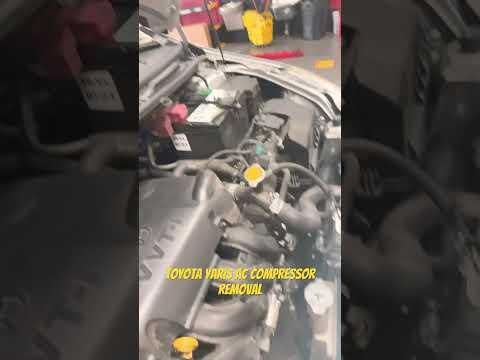




How to Replace the A/C Compressor on a 2015-2018 Toyota Yaris (Engine: Inline 4 1.5L | Body: Hatchback)
Step-by-step instructions with tools, parts, safety tips, and recharge guidance
How to Replace the A/C Compressor on a 2015-2018 Toyota Yaris (Engine: Inline 4 1.5L | Body: Hatchback)
Step-by-step instructions with tools, parts, safety tips, and recharge guidance for 2015, 2016, 2017, 2018


Assumption: This is a standard A/C compressor replacement on your Yaris with refrigerant recovery, system evacuation, and recharge performed after installation.
🔧 A/C Compressor - Replacement
The A/C compressor is the heart of the air conditioning system. Replacing it means removing the drive belt, disconnecting the refrigerant lines, swapping the compressor, then evacuating and recharging the system so it can cool properly again.
Difficulty Level: Advanced | Estimated Time: 4-6 hours
⚠️ Safety & Precautions
- Have the refrigerant professionally recovered before opening any A/C line. Refrigerant can cause severe frostbite.
- Wear safety glasses and gloves at all times.
- Do not run the engine with the compressor removed unless the belt path is correctly supported or rerouted.
- Disconnect the negative battery terminal before starting.
- Do not introduce dirt into the open A/C system. Cap all lines immediately.
- If the old compressor failed internally, replace the receiver/drier or desiccant component and flush the lines if required.
🔧 Required Tools
You'll need the following tools for this repair:
- Metric socket set
- Metric wrench set
- Ratchet
- Torque wrench
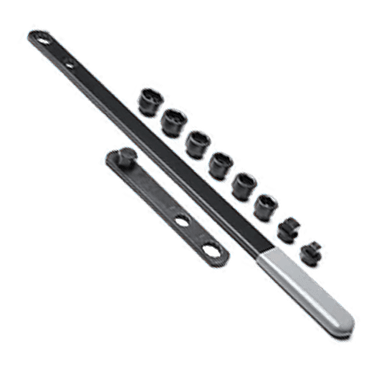
- Serpentine belt tool (specialty)
- Line wrench set
- Drain pan
- Trim clip removal tool
- Floor jack (rated 3-ton minimum)
- Jack stands
- Safety glasses
- Mechanic gloves
- Vacuum pump (specialty)
- Manifold gauge set (specialty)
- Refrigerant recovery machine (specialty)
🔩 Required Parts
HowToo sells all the parts you need for this repair:
- A/C compressor - Qty: 1
- A/C compressor O-ring set - Qty: 1
- A/C compressor oil - Qty: 1
- Serpentine belt - Qty: 1
- Receiver/drier or desiccant element - Qty: 1
📋 Before You Begin
- Park on level ground and set the parking brake.
- Disconnect the negative battery terminal.
- Have the refrigerant recovered before opening the system.
- Compare the replacement compressor ports and mounting points before installing.
- Keep all A/C lines capped until you are ready to connect them.
🔨 Step-by-Step Instructions
Follow these steps in order:
Step 1: Recover the refrigerant
- Use a refrigerant recovery machine (specialty) to remove the refrigerant from the system before disconnecting anything.
- Do not vent refrigerant to the air.
Step 2: Disconnect the battery
- Use a 10mm socket to remove the negative battery cable.
- Isolate the cable so it cannot touch the terminal.
Step 3: Remove the drive belt
- Use a serpentine belt tool (specialty) or the correct wrench on the belt tensioner to relieve tension.
- Slip the belt off the compressor pulley and remove it from the engine bay.
- Take a belt routing photo first.
Step 4: Disconnect the A/C lines
- Use the correct line wrench set to loosen the refrigerant line fittings at the compressor.
- Remove the bolts and separate the lines carefully.
- Plug or cap both line openings immediately.
- Replace the O-rings with new ones lightly coated in clean A/C oil.
Step 5: Remove the compressor
- Use the appropriate metric socket set and ratchet to remove the compressor mounting bolts.
- Support the compressor with one hand while removing the last bolt.
- Lift the compressor out from below or through the engine bay, depending on clearance.
Step 6: Prepare the replacement compressor
- Use a drain pan to measure and compare any oil drained from the old compressor.
- Add the correct amount of A/C compressor oil to the new compressor.
- Rotate the compressor shaft by hand a few turns to distribute the oil.
- Do not overfill the oil.
Step 7: Install the new compressor
- Set the compressor in place by hand.
- Use the metric socket set and torque wrench to install the mounting bolts.
- Torque to factory specification for your Yaris compressor mounting bolts.
- Reconnect the A/C lines with new O-rings and tighten the fittings with the line wrench set.
- Torque to factory specification for the line fittings.
Step 8: Install the belt
- Use the serpentine belt tool (specialty) to release the tensioner.
- Route the new belt exactly as the original belt was routed.
- Confirm the belt is fully seated in every pulley groove.
Step 9: Evacuate the system
- Use a vacuum pump (specialty) and manifold gauge set (specialty) to evacuate the system.
- Pull vacuum long enough to remove moisture and air.
- Hold vacuum and verify there are no leaks before charging.
- Vacuum loss means a leak.
Step 10: Recharge the A/C system
- Use the manifold gauge set (specialty) to charge the system with the correct refrigerant amount listed on the under-hood label.
- Start the engine and turn A/C on max after the initial charge is in.
- Monitor pressures and vent temperature while charging to spec.
✅ After Repair
- Check for leaks at every fitting and the compressor body.
- Verify the compressor clutch engages, if equipped.
- Confirm cold air from the vents.
- Listen for abnormal belt noise or pulley noise.
- If the old compressor failed internally, recheck the system for contamination.
💰 DIY vs Shop Cost
Shop Cost: $900-$1,700 (parts + labor)
DIY Cost: $300-$700 (parts only)
You Save: $600-$1,000 by doing it yourself!
Shop labor rates vary but typically run $100-$150/hour. This repair takes a shop approximately 4-6 hours.
🎯 Ready to get started?
HowToo makes it easy: same-day/2-day shipping on every part, plus all the tools and specialty tools you need! Check out the parts and tools sections below to add everything to your cart.