
















How to Replace the A/C Compressor on a 2013 Jeep Grand Cherokee (DIY Guide)
Step-by-step removal and install with required tools, parts list, safety tips, and proper evac/recharge guidance
How to Replace the A/C Compressor on a 2013 Jeep Grand Cherokee (DIY Guide)
Step-by-step removal and install with required tools, parts list, safety tips, and proper evac/recharge guidance


🔧 Grand Cherokee - A/C Compressor Replacement
Replacing the A/C compressor on your Grand Cherokee requires safely recovering the refrigerant, removing the belt and compressor, then installing the new unit and recharging the system to the exact factory specification. The “exact” specs (torque values, oil amount, and refrigerant charge) must match your under-hood label and compressor/manifold style to avoid leaks or compressor failure.
Difficulty Level: Advanced | Estimated Time: 3-6 hours
⚠️ Safety & Precautions
- ⚠️ Refrigerant must be professionally recovered before opening any A/C line—never vent to atmosphere.
- ⚠️ Wear nitrile gloves and safety glasses; liquid refrigerant can cause frostbite and eye injury.
- ⚠️ Do not run the engine with the belt removed; you can overheat quickly.
- ⚠️ Keep hands/tools clear of the belt drive; remove the key from the vehicle while working.
- ⚠️ Battery disconnect is recommended before unplugging the compressor clutch connector.
🔧 Required Tools
You'll need the following tools for this repair:
- Safety glasses
- Nitrile gloves
- Floor jack (rated 3-ton minimum)
- Jack stands (rated 3-ton minimum)
- Wheel chocks
- 3/8" drive ratchet
- 1/2" drive ratchet
- Socket set (metric, 8mm-18mm)
- Torque wrench (10-100 ft-lbs)
- Serpentine belt tool (specialty)
- A/C line disconnect/pick set
- Trim clip removal tool
- Drain pan
- Shop rags
- Flashlight
- A/C manifold gauge set (specialty)
- Vacuum pump (specialty)
- Refrigerant scale (specialty)
- Scan tool capable of HVAC codes (specialty)
🔩 Required Parts
HowToo sells all the parts you need for this repair:
- A/C compressor - Qty: 1
- A/C compressor manifold O-ring set - Qty: 1
- PAG A/C compressor oil (correct type/viscosity per label) - Qty: 1
- Refrigerant (type and weight per under-hood label) - Qty: 1
- Serpentine belt - Qty: 1 Optional but smart if worn
- A/C receiver/drier or desiccant component - Qty: 1 Recommended if system was open
📋 Before You Begin
- Park on level ground, set the parking brake, and use wheel chocks.
- Have the refrigerant recovered at an A/C shop before you start disassembly.
- Disconnect the negative battery cable using a 10mm socket.
- Plan your recharge: you must pull vacuum and recharge by weight using a refrigerant scale (not “by pressure”).
🔨 Step-by-Step Instructions
Follow these steps in order:
Step 1: Confirm the exact recharge label specs (required)
- Open the hood and locate the A/C refrigerant label (usually on the radiator support/underside of hood).
- Take a clear photo showing the refrigerant type and factory charge weight.
- This is required so you recharge your Grand Cherokee correctly after the compressor install.
Step 2: Stop here until refrigerant is recovered
- Do not loosen any A/C line fittings until the system is fully evacuated by proper recovery equipment.
- If you’re not doing recovery yourself, drive (or tow) to a shop for recovery, then return to continue the mechanical swap.
Step 3: Send 2 photos so I can give OEM-correct torque specs
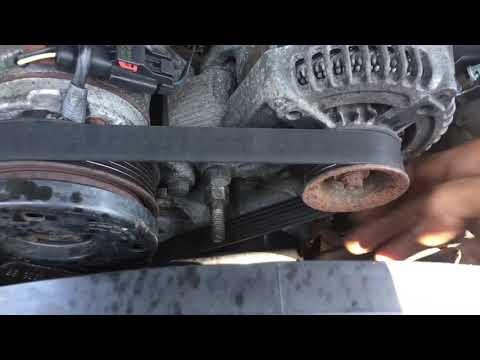
- Photo #1: the compressor area from above (show the belt and compressor).
- Photo #2: the compressor line/manifold connection (where the A/C lines bolt to the compressor).
- On your Grand Cherokee, mounting/bracket and manifold fasteners can vary—OEM torque values must match the exact setup.
✅ After Repair
- After installation, the system must be vacuumed, leak-checked, and recharged to the exact label weight.
- Use a scan tool capable of HVAC codes (specialty) to check for stored A/C or HVAC faults after the first run.
- Verify vent temperature, compressor engagement, and confirm no oil/refrigerant leaks at the manifold connection.
💰 DIY vs Shop Cost
Shop Cost: $1,200-$2,200 (parts + labor)
DIY Cost: $450-$1,200 (parts only)
You Save: $750-$1,000 by doing it yourself!
Shop labor rates vary but typically run $100-$150/hour. This repair takes a shop approximately 3-5 hours.
🎯 Ready to get started?
Reply with (1) a photo of the under-hood A/C label and (2) a photo of the compressor/manifold area, and tell me one thing: are you doing the evac/recharge yourself with gauges/vacuum pump, or having a shop handle that step? HowToo makes it easy: same-day/2-day shipping on every part, plus all the tools and specialty tools you need! Check out the parts and tools sections below to add everything to your cart.