















How to Replace the A/C Compressor on a 2012 Toyota Camry Hybrid (High-Voltage)
Step-by-step hybrid-safe instructions with required tools/parts, ND-OIL 11 notes, and R-134a recover/evacuate/recharge tips
How to Replace the A/C Compressor on a 2012 Toyota Camry Hybrid (High-Voltage)
Step-by-step hybrid-safe instructions with required tools/parts, ND-OIL 11 notes, and R-134a recover/evacuate/recharge tips


🔧 Camry - A/C Compressor Replacement
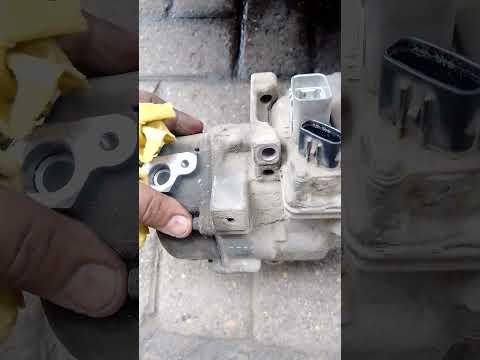
On your Camry Hybrid, the A/C compressor is a high-voltage electric compressor. Replacing it involves safely disabling the hybrid high-voltage system and properly recovering/evacuating the refrigerant—both are critical to avoid injury and compressor damage.
Difficulty Level: Advanced | Estimated Time: 3-6 hours
⚠️ Safety & Precautions
- ⚠️ High-voltage hazard: The hybrid A/C compressor uses high voltage—improper handling can cause severe injury or death.
- ⚠️ Refrigerant handling: Venting R-134a is unsafe and illegal in many places; the system must be recovered with proper equipment.
- Use only the correct hybrid A/C oil: This system requires ND-OIL 11 (non-conductive); using the wrong oil can damage the compressor and create electrical risk.
- Wear Class 0 (1000V) insulated gloves any time you’re near the compressor HV connector after opening the hood.
- Battery disconnect is required: You’ll disable the hybrid high-voltage system and disconnect the 12V battery before touching the compressor.
🔧 Required Tools
You'll need the following tools for this repair:
- Class 0 insulated gloves (1000V rated)
- Safety glasses
- Nitrile gloves
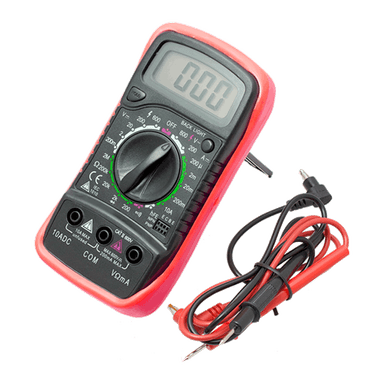
- Digital multimeter CAT III 600V or higher
- Insulated hand tool set (1000V rated) (specialty)
- Metric socket set 8mm-19mm
- 3/8" drive ratchet
- 3/8" drive torque wrench (10-100 Nm range)
- Serpentine belt tool 14mm
- Trim clip remover
- Line wrench set 10mm-17mm
- A/C manifold gauge set for R-134a
- Refrigerant recovery machine for R-134a (specialty)
- Vacuum pump (A/C) (specialty)
- Refrigerant scale (specialty)
- Floor jack (rated 2-ton minimum)
- Jack stands (rated 2-ton minimum)
- Wheel chocks
🔩 Required Parts
HowToo sells all the parts you need for this repair:
- A/C compressor (hybrid electric type) - Qty: 1
- A/C line O-ring set (R-134a compatible) - Qty: 1
- ND-OIL 11 (hybrid A/C compressor oil) - Qty: 1
- R-134a refrigerant - Qty: 1 (system charge per under-hood label)
- Serpentine belt - Qty: 1 (recommended if belt is cracked/glazed)
📋 Before You Begin
- Park on level ground, apply the parking brake, and use wheel chocks.
- Make sure the car is fully OFF and the key is away from the vehicle (so it can’t “wake up” the hybrid system).
- Plan refrigerant handling: arrange for R-134a recovery before opening any A/C line.
- Two quick questions before I give you the exact step-by-step for your setup:
- Do you have access to an R-134a recovery machine + vacuum pump + scale, or will a shop recover/evacuate/recharge for you?
- Do you have Class 0 insulated gloves and a CAT III multimeter to verify the hybrid system is safely powered down?
🔨 Step-by-Step Instructions
Follow these steps in order:
Step 1: Recover the refrigerant
- Connect the A/C manifold gauge set for R-134a to the high/low service ports.
- Use the refrigerant recovery machine for R-134a (specialty) to fully recover the refrigerant.
- Do not proceed until the system is fully recovered and shows 0 pressure.
Step 2: Disable the hybrid high-voltage system
- Put on Class 0 insulated gloves (1000V rated) and safety glasses.
- Disconnect the 12V battery negative terminal using a 10mm socket.
- Remove the hybrid service plug grip (high-voltage battery safety disconnect). This is the HV “main disconnect.”
- Wait the required discharge time, then use a digital multimeter CAT III 600V or higher to verify the compressor HV circuit is de-energized before touching any orange/high-voltage connector.
Step 3: Gain access to the compressor
- Raise the front of the car with a floor jack and support it with jack stands.
- Remove the lower engine cover/splash shield using a 10mm socket and trim clip remover.
Step 4: Disconnect the high-voltage connector at the compressor
- With Class 0 insulated gloves (1000V rated) on, release the compressor HV connector lock using insulated hand tool set (1000V rated) (specialty) if needed.
- Disconnect and secure the connector so it cannot accidentally reconnect.
Step 5: Remove the drive belt (if equipped on your layout)
- Use the serpentine belt tool 14mm to rotate the tensioner and slip the belt off the compressor pulley.
- Inspect the belt; if cracked or glazed, replace it.
Step 6: Disconnect the A/C refrigerant lines at the compressor
- Place a rag under the fittings.
- Use the correct line wrench set 10mm-17mm (not an adjustable wrench) to loosen the A/C line fasteners.
- Remove the lines and immediately cap/cover the openings to keep moisture out.
- Remove and discard the old O-rings; install new O-rings lubricated with a small amount of ND-OIL 11 (hybrid A/C compressor oil).
Step 7: Remove the compressor
- Support the compressor by hand.
- Remove the compressor mounting bolts using a metric socket set 8mm-19mm and 3/8" drive ratchet.
- Set the old compressor upright to avoid spilling oil.
Step 8: Prepare and install the new compressor
- Confirm the replacement is the correct hybrid electric compressor and the ports match.
- If oil balancing is required: measure and adjust oil using ND-OIL 11 only. Oil amount depends on what was replaced.
- Install the compressor and hand-start all mounting bolts.
- Tighten compressor mounting bolts with a 3/8" drive torque wrench (10-100 Nm range) to OEM specification for your Camry.
Step 9: Reconnect the A/C lines
- Install the lines with new O-rings in place.
- Tighten line fasteners using a line wrench set 10mm-17mm.
- Final-tighten with a 3/8" drive torque wrench (10-100 Nm range) to OEM specification for your Camry.
Step 10: Reconnect the high-voltage connector
- Reconnect the compressor HV connector with Class 0 insulated gloves (1000V rated) on.
- Verify the lock/retainer is fully seated.
Step 11: Reinstall belt and shields
- Reinstall the belt using the serpentine belt tool 14mm and confirm it’s seated on every pulley.
- Reinstall the splash shield using a 10mm socket and trim clip remover.
Step 12: Evacuate and recharge the A/C system
- Connect the A/C manifold gauge set for R-134a.
- Pull vacuum using the vacuum pump (A/C) (specialty) for an adequate time to boil out moisture.
- Verify vacuum holds (leak check).
- Recharge by weight using a refrigerant scale (specialty) to the exact amount listed on the under-hood A/C label.
Step 13: Restore power
- Reinstall the hybrid service plug grip correctly.
- Reconnect the 12V battery negative terminal using a 10mm socket.
✅ After Repair
- Start the car and command A/C ON; verify cold air, no abnormal noises, and stable vent temperature.
- Check for refrigerant leaks at the compressor fittings (visual + soap solution).
- Confirm the belt tracks correctly with the engine running.
- If any warning lights appear, scan for codes before driving.
💰 DIY vs Shop Cost
Shop Cost: ₹35,000-₹90,000 (parts + labor, plus A/C service)
DIY Cost: ₹20,000-₹70,000 (parts only, assuming you already have A/C equipment)
You Save: ₹10,000-₹30,000 by doing it yourself!
Shop labor rates vary but typically run ₹1,000-₹3,000/hour. This repair takes a shop approximately 3-5 hours.
🎯 Ready to get started?
HowToo makes it easy: same-day/2-day shipping on every part, plus all the tools and specialty tools you need! Check out the parts and tools sections below to add everything to your cart.