









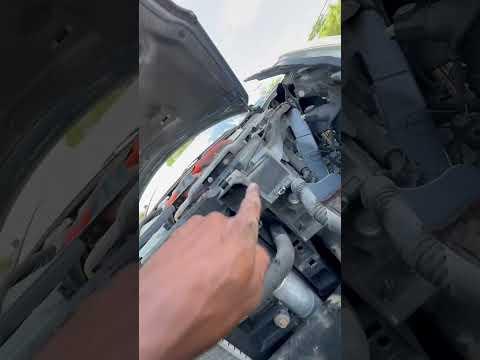






How to Replace the A/C Compressor on a 2011 Nissan Altima (R-134a System)
Step-by-step removal and install with required tools, O-rings, oil type, refrigerant recovery, and recharge tips for 2007, 2008, 2009, 2010, 2011
How to Replace the A/C Compressor on a 2011 Nissan Altima (R-134a System)
Step-by-step removal and install with required tools, O-rings, oil type, refrigerant recovery, and recharge tips for 2007, 2008, 2009, 2010, 2011


🔧 Altima - A/C Compressor Replacement
On your Altima, replacing the A/C compressor is a refrigerant-handling job and (because it’s a Hybrid) it may also be a high-voltage job. The exact steps, oil type, and bolt torques depend on whether your compressor is electric (high-voltage with orange cables) or belt-driven.
Difficulty Level: Advanced | Estimated Time: 3-6 hours
⚠️ Safety & Precautions
- ⚠️ Refrigerant can cause frostbite and eye injury—wear gloves and safety glasses.
- ⚠️ A/C refrigerant recovery must be done with proper recovery equipment; do not vent refrigerant.
- ⚠️ Hybrid systems can contain high voltage—if the compressor has orange high-voltage cables, do not touch them unless the hybrid system is properly powered down and verified safe.
- ⚠️ If your compressor is high-voltage electric, using the wrong A/C oil or contaminated tools can damage the compressor and hybrid system.
- ⚠️ Let the engine cool; keep hands clear of radiator fans (they can turn on unexpectedly).
🔧 Required Tools
You'll need the following tools for this repair:
- Safety glasses
- Nitrile gloves
- Insulated electrical gloves Class 0 (specialty)
- Floor jack (rated 3-ton minimum)
- Jack stands (rated 3-ton minimum)
- Wheel chocks
- Metric socket set 8mm-19mm
- 3/8" drive ratchet
- 3/8" drive torque wrench (10-100 Nm range)
- Extensions set (3" and 6")
- Serpentine belt tool 14mm
- Flat trim tool
- Phillips screwdriver #2
- Line wrench set (metric)
- A/C manifold gauge set for R-134a (specialty)
- Refrigerant recovery machine for R-134a (specialty)
- Vacuum pump (specialty)
- Refrigerant scale (specialty)
- UV leak detection light (specialty)
🔩 Required Parts
HowToo sells all the parts you need for this repair:
- A/C compressor - Qty: 1
- A/C compressor O-ring set - Qty: 1
- Receiver/drier or condenser drier (as equipped) - Qty: 1
- R-134a refrigerant - Qty: As specified on under-hood label
- A/C oil - Qty: As specified for your compressor type
📋 Before You Begin
- Park on level ground, set the parking brake, and place wheel chocks behind the rear wheels.
- Locate the under-hood A/C refrigerant label (usually on the radiator support/underside of hood). You must follow that exact charge amount.
- Two quick questions so I can give you the exact, correct steps (and torque specs):
- Is your A/C compressor high-voltage electric (it will have orange cables going to it) or belt-driven (no orange cables, driven by the engine belt)?
- Can you upload a clear photo of the A/C refrigerant label and a photo of the compressor area from above?
- If the compressor is high-voltage electric: do not proceed until the hybrid system is correctly powered down; incorrect shutdown can cause serious injury.
🔨 Step-by-Step Instructions
Follow these steps in order:
Step 1: Identify compressor type (electric vs belt-driven)
- Open the hood and use a flashlight (phone light is OK) to look at the compressor body low on the engine.
- If you see orange cables plugged into it, it’s a high-voltage electric compressor.
- If you see a pulley/belt driving it with no orange cables, it’s belt-driven.
Step 2: Confirm the correct refrigerant charge and oil type
- Read the under-hood label and note the R-134a charge amount.
- Do not guess the oil type or amount—hybrid electric compressors often require a special non-conductive oil.
- Wrong oil can ruin the new compressor.
Step 3: Recover the refrigerant (required before opening lines)
- Use an A/C manifold gauge set for R-134a (specialty) to connect to the high/low service ports.
- Use a refrigerant recovery machine for R-134a (specialty) to fully recover the system.
- Do not loosen any A/C lines until gauges show 0 psi on both sides.
Step 4: Stop here and reply with the two items requested
- Reply with: (1) electric with orange cables or belt-driven, and (2) the two photos (label + compressor area).
- Once I have that, I’ll give you the exact removal/installation steps, correct oil handling, and the correct torque specs for your Altima.
✅ After Repair
- After the compressor is installed, the system must be vacuumed with a vacuum pump (specialty) and then recharged by weight using a refrigerant scale (specialty).
- Verify vent temperature and compressor operation, then check for leaks using a UV leak detection light (specialty).
- If the old compressor failed internally, inspect for contamination; the drier replacement is strongly recommended.
💰 DIY vs Shop Cost
Shop Cost: $900-$2,200 (parts + labor)
DIY Cost: $350-$1,200 (parts only)
You Save: $550-$1,000 by doing it yourself!
Shop labor rates vary but typically run $100-$150/hour. This repair takes a shop approximately 3-6 hours.
🎯 Ready to get started?
HowToo makes it easy: same-day/2-day shipping on every part, plus all the tools and specialty tools you need! Check out the parts and tools sections below to add everything to your cart.