













How to Replace the A/C Compressor on a 2011-2013 Chevrolet Silverado 1500 (Engine: V8 5.3L)
Step-by-step instructions with tools, parts, torque specs, safety tips, and recharge guidance
How to Replace the A/C Compressor on a 2011-2013 Chevrolet Silverado 1500 (Engine: V8 5.3L)
Step-by-step instructions with tools, parts, torque specs, safety tips, and recharge guidance for 2011, 2012, 2013


🔧 A/C Compressor - Replacement
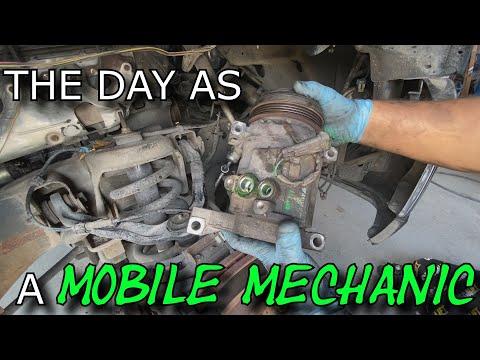
Your Silverado’s A/C compressor circulates refrigerant through the system. When it fails, you may lose cooling, hear noise from the front of the engine, or see the belt slip or seize. Replacing it also means evacuating and recharging the refrigerant system correctly, then checking for leaks.
Difficulty Level: Advanced | Estimated Time: 4-6 hours
⚠️ Safety & Precautions
- Have the refrigerant recovered by equipment before opening the system. Do not vent refrigerant.
- Wear safety glasses and gloves. Refrigerant and PAG oil can injure skin and eyes.
- Disconnect the negative battery cable before starting. The belt drive and electric fans can start unexpectedly.
- Keep dirt out of the open A/C lines. Even small contamination can damage the new compressor.
- If the old compressor failed internally, replace the receiver/drier or accumulator and the orifice tube as well.
- Use only the correct PAG oil and the correct refrigerant charge for your Silverado.
🔧 Required Tools
You'll need the following tools for this repair:
- Ratchet
- Socket set: 10mm, 13mm, 15mm, 18mm
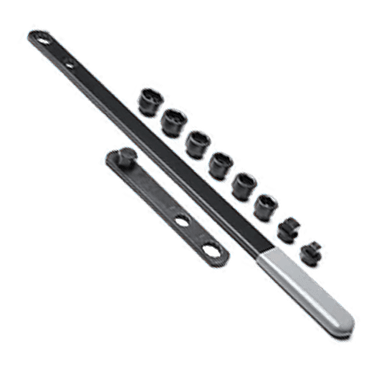
- Serpentine belt tool or 15mm wrench
- Line wrench set
- Torque wrench
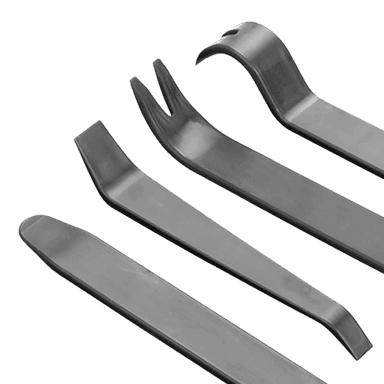
- Trim clip tool
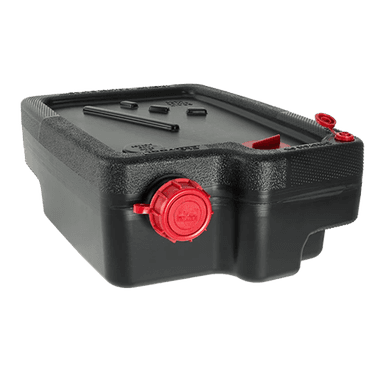
- Drain pan
- Refrigerant recovery/recharge machine (specialty)
- Vacuum pump (specialty)
- Safety glasses
- Nitrile gloves
- Jack stands
- Floor jack (rated 3-ton minimum)
🔩 Required Parts
HowToo sells all the parts you need for this repair:
- A/C compressor - Qty: 1
- A/C compressor clutch relay - Qty: 1
- Accumulator or receiver/drier - Qty: 1
- Orifice tube - Qty: 1
- A/C compressor O-ring set - Qty: 1
- PAG refrigerant oil - Qty: 1 bottle
- R-134a refrigerant - Qty: As required by system spec
- Serpentine belt - Qty: 1
📋 Before You Begin
- Park on level ground and set the parking brake.
- Let the engine cool fully before touching the belt drive or compressor.
- Have the refrigerant professionally recovered before disconnecting any A/C line.
- Disconnect the negative battery cable.
- If the old compressor seized or blew metal, plan on flushing the system before reassembly.
🔨 Step-by-Step Instructions
Follow these steps in order:
Step 1: Recover refrigerant and disconnect battery
- Use a refrigerant recovery machine to evacuate the system completely.
- Disconnect the negative battery cable with a 10mm socket.
- Never open the system under pressure.
Step 2: Remove the engine cover and intake ducting if needed
- Remove any intake duct or upper engine cover blocking access using a 10mm socket and trim clip tool.
- Set the parts aside in order.
Step 3: Remove the serpentine belt
- Use a serpentine belt tool or 15mm wrench to rotate the belt tensioner.
- Slip the belt off the A/C compressor pulley and remove it.
- If the belt is cracked or glazed, replace it.
Step 4: Unplug the compressor and remove the A/C lines
- Disconnect the compressor electrical connector by hand.
- Use a line wrench set to remove the A/C line retaining bolts or fittings, depending on your compressor style.
- Cap the open lines right away to keep dirt out.
- Replace the O-rings on the line connections before reassembly.
Step 5: Remove the compressor
- Support the compressor with one hand while removing the mounting bolts with a 13mm socket and 15mm socket.
- Lower the compressor out from the front or bottom, depending on clearance.
- If access is tight, raise the front of the truck with a floor jack and support it with jack stands.
Step 6: Inspect the old compressor and system
- Check the old compressor for metal debris, burnt oil, or bearing noise.
- If debris is present, replace the accumulator/receiver-drier and orifice tube, then flush the lines and condenser as needed.
Step 7: Prepare and install the new compressor
- Add the correct amount of PAG refrigerant oil to the new compressor before installation.
- Install new O-rings on the A/C line fittings and lightly coat them with clean PAG oil.
- Position the compressor and install the bolts by hand first.
- Tighten the compressor mounting bolts with a torque wrench to 41 Nm (30 ft-lbs).
Step 8: Reconnect the A/C lines and electrical connector
- Use a line wrench set to tighten the line fittings evenly.
- Torque the A/C line fittings to 20 Nm (15 ft-lbs).
- Reconnect the compressor electrical connector until it clicks.
Step 9: Reinstall the belt and removed parts
- Route the serpentine belt correctly using the belt routing diagram under the hood.
- Use the serpentine belt tool or 15mm wrench to release the tensioner and slip the belt on.
- Reinstall any intake ducting or covers with a 10mm socket and trim clip tool.
- Reconnect the negative battery cable with a 10mm socket.
Step 10: Evacuate, recharge, and test the system
- Use a vacuum pump to pull the system into a deep vacuum for at least 30 minutes.
- Make sure the vacuum holds before charging.
- Recharge with the exact factory amount of R-134a refrigerant using an A/C machine.
- Start the engine and turn the A/C on high.
- Check for cold air, unusual noises, and leaks at every connection.
✅ After Repair
- Verify the compressor clutch engages and disengages normally.
- Check vent temperature after a few minutes at idle.
- Inspect all fittings for refrigerant leaks.
- If the system had internal compressor failure, recheck the system after a short drive for debris issues or weak cooling.
💰 DIY vs Shop Cost
Shop Cost: $900-$1,600 (parts + labor)
DIY Cost: $350-$750 (parts only)
You Save: $550-$850 by doing it yourself!
Shop labor rates vary but typically run $100-$150/hour. This repair takes a shop approximately 4-6 hours.
🎯 Ready to get started?
HowToo makes it easy: same-day/2-day shipping on every part, plus all the tools and specialty tools you need! Check out the parts and tools sections below to add everything to your cart.
Guide for A/C Compressor replace for these Chevrolet vehicles
| Year Make Model | Sub Model | Engine | Body Style |
|---|---|---|---|
| 2013 Chevrolet Silverado 1500 | - | V8 6.0L | - |
| 2013 Chevrolet Silverado 1500 | - | V6 4.3L | - |
| 2013 Chevrolet Silverado 1500 | - | V8 4.8L | - |
| 2013 Chevrolet Silverado 1500 | - | V8 5.3L | - |
| 2013 Chevrolet Silverado 1500 | - | V8 6.2L | - |
| 2012 Chevrolet Silverado 1500 | - | V8 6.0L | - |
| 2012 Chevrolet Silverado 1500 | - | V6 4.3L | - |
| 2012 Chevrolet Silverado 1500 | - | V8 4.8L | - |
| 2012 Chevrolet Silverado 1500 | - | V8 5.3L | - |
| 2012 Chevrolet Silverado 1500 | - | V8 6.2L | - |
| 2011 Chevrolet Silverado 1500 | - | V8 6.0L | - |
| 2011 Chevrolet Silverado 1500 | - | V6 4.3L | - |
| 2011 Chevrolet Silverado 1500 | - | V8 4.8L | - |
| 2011 Chevrolet Silverado 1500 | - | V8 5.3L | - |
| 2011 Chevrolet Silverado 1500 | - | V8 6.2L | - |