









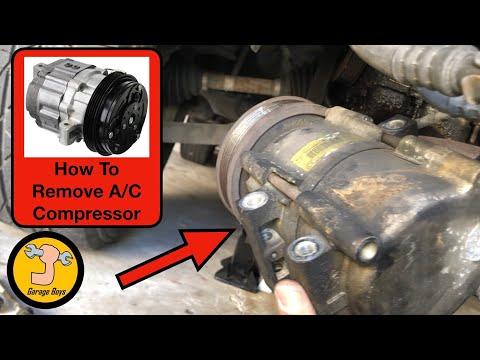







How to Replace the A/C Compressor on a 2008 Ford Escape (R-134a System)
Step-by-step removal and install with required tools/parts, safety tips, vacuum & recharge specs, and leak checks
How to Replace the A/C Compressor on a 2008 Ford Escape (R-134a System)
Step-by-step removal and install with required tools/parts, safety tips, vacuum & recharge specs, and leak checks


🔧 Escape - A/C Compressor Replacement
Replacing the A/C compressor on your Escape requires safely recovering the refrigerant, removing the drive belt, swapping the compressor, then pulling a deep vacuum and recharging to the exact under-hood label spec. Because A/C work involves high pressure and regulated refrigerant handling, a few steps must be done with the right equipment.
Difficulty Level: Advanced | Estimated Time: 3-6 hours
⚠️ Safety & Precautions
- ⚠️ Do not vent refrigerant to the air; it must be recovered with an A/C machine.
- ⚠️ A/C lines can be under high pressure; open fittings only after the system is fully recovered.
- ⚠️ Wear safety glasses and gloves; refrigerant/oil can cause frostbite and eye injury.
- ⚠️ Keep hands/tools clear of the belt path; do not run the engine with guards removed.
- ⚠️ Disconnect the negative battery cable before unplugging the compressor clutch connector.
🔧 Required Tools
You'll need the following tools for this repair:
- Safety glasses
- Nitrile gloves
- Floor jack (rated 3-ton minimum)
- Jack stands (rated 3-ton minimum)
- Wheel chocks
- Metric socket set (8mm-15mm)
- 3/8" drive ratchet
- 3/8" drive extensions (3" and 6")
- Serpentine belt tool
- Torque wrench (10-80 ft-lbs range)
- Torque wrench (in-lb range)
- A/C line quick-disconnect tool set (specialty)
- Pick tool
- Trim clip removal tool
- Drain pan
- Shop rags
- A/C manifold gauge set for R-134a (specialty)
- Vacuum pump (specialty)
- Refrigerant scale (specialty)
- OBD2 scan tool
🔩 Required Parts
HowToo sells all the parts you need for this repair:
- A/C compressor (with clutch, if equipped) - Qty: 1
- A/C compressor O-ring seal kit - Qty: 1
- A/C accumulator / receiver-drier - Qty: 1
- Orifice tube - Qty: 1
- R-134a refrigerant - Qty: As specified on under-hood A/C label
- PAG A/C oil - Qty: As specified by Ford procedure/label
📋 Before You Begin
- Park on level ground, set the parking brake, and chock the rear wheels.
- Open the hood and locate the under-hood A/C label; you’ll need the exact refrigerant charge amount for the final recharge.
- Plan for refrigerant recovery: a shop can recover the system first, or you’ll need proper recovery equipment.
- Disconnect the negative battery cable using a 10mm socket.
🔨 Step-by-Step Instructions
Follow these steps in order:
Step 1: Get the two key specs (needed to finish the job correctly)
- Use your phone camera to take a clear photo of the under-hood A/C label (it lists refrigerant type and the exact charge amount).
- Reply with that photo (or type the charge amount exactly as printed).
- This prevents under/over-charging.
Step 2: Recover the refrigerant
- Have a shop recover the refrigerant, or connect an A/C manifold gauge set for R-134a (specialty) and use approved recovery equipment (not a DIY vent).
- Do not loosen any A/C fittings until the gauges show no pressure on both high and low sides.
Step 3: Raise the front and remove the lower splash shield (if equipped)
- Lift the front using a floor jack (rated 3-ton minimum) and support with jack stands (rated 3-ton minimum).
- Remove shield fasteners using a trim clip removal tool and metric socket set (8mm-15mm).
Step 4: Remove the drive belt from the A/C compressor
- Use a serpentine belt tool to rotate the belt tensioner and slip the belt off the A/C compressor pulley.
- Note the belt routing before removal; take a photo for reference.
Step 5: Disconnect the compressor electrical connector
- Release the connector lock and unplug it by hand; use a pick tool gently if the tab is stuck.
Step 6: Disconnect the refrigerant lines at the compressor
- Place a drain pan under the compressor and cover the area with shop rags.
- Use the correct A/C line quick-disconnect tool set (specialty) or socket fasteners (varies by hose style) to separate the suction/discharge connections.
- Immediately remove and discard old O-rings using a pick tool, then cap/cover open lines to keep moisture out.
- Moisture in the system ruins cooling.
Step 7: Remove the A/C compressor
- Support the compressor by hand, then remove the mounting bolts using a metric socket set (8mm-15mm), 3/8" drive ratchet, and 3/8" drive extensions (3" and 6").
- Lower the compressor out carefully—avoid bending lines or snagging wiring.
Step 8: Replace the accumulator/receiver-drier
- The accumulator is part of the A/C system’s moisture control; it should be replaced any time the system is opened.
- Remove line connections using the A/C line quick-disconnect tool set (specialty) (or the appropriate socket/fastener type on your hose set).
- Install the new accumulator with new O-rings from the A/C compressor O-ring seal kit.
Step 9: Replace the orifice tube
- The orifice tube is a small metering filter; it often traps debris when a compressor fails.
- Disconnect the line at the orifice-tube location, then extract it carefully using a pick tool.
- Install the new orifice tube in the correct direction (match the old one’s orientation).
Step 10: Prep and install the new compressor
- Compare the new compressor to the old one (ports, connector, mounting ears) before installing.
- Add the correct amount/type of oil as required by Ford procedure/label, then rotate the compressor clutch/pulley by hand to distribute oil.
- Install the compressor and start all mounting bolts by hand to avoid cross-threading.
- Tighten fasteners using a torque wrench (10-80 ft-lbs range) and torque wrench (in-lb range) once you provide the label photo and I confirm the exact Ford torque values for your configuration.
Step 11: Reconnect A/C lines with new O-rings
- Lightly coat new O-rings with clean PAG oil, then install them on the line fittings.
- Reconnect lines and tighten using a torque wrench (in-lb range) once I confirm the correct spec for your fitting style.
Step 12: Reinstall belt and shields
- Route the belt correctly and use the serpentine belt tool to set tension via the tensioner.
- Reinstall the splash shield using the trim clip removal tool and metric socket set (8mm-15mm).
Step 13: Evacuate (pull vacuum) and recharge by weight
- Connect the A/C manifold gauge set for R-134a (specialty) and vacuum pump (specialty), then pull a deep vacuum long enough to boil out moisture (time depends on equipment and how long the system was open).
- Verify the system holds vacuum; if it doesn’t, there is a leak that must be fixed before charging.
- Recharge using a refrigerant scale (specialty) to the exact amount listed on your under-hood A/C label.
✅ After Repair
- Reconnect the battery using a 10mm socket.
- Start the engine and turn A/C on MAX; confirm the compressor clutch engages and the radiator fans operate.
- Check for leaks at all fittings (visual check for oily residue and listen for hissing).
- Use an OBD2 scan tool to check for any stored HVAC/A/C related codes after the repair.
💰 DIY vs Shop Cost
Shop Cost: $900-$1,800 (parts + labor)
DIY Cost: $250-$750 (parts only)
You Save: $650-$1,050 by doing it yourself!
Shop labor rates vary but typically run $100-$150/hour. This repair takes a shop approximately 3-6 hours.
🎯 Ready to get started?
HowToo makes it easy: same-day/2-day shipping on every part, plus all the tools and specialty tools you need! Check out the parts and tools sections below to add everything to your cart.
Two quick questions so I can finish this with exact specs:
- 📷 Can you upload a clear photo of the under-hood A/C label (or type the refrigerant charge amount exactly as printed)?
- ❓ Did the old compressor fail loudly or seize (metal/debris), or are you replacing it for a leak/clutch issue?