









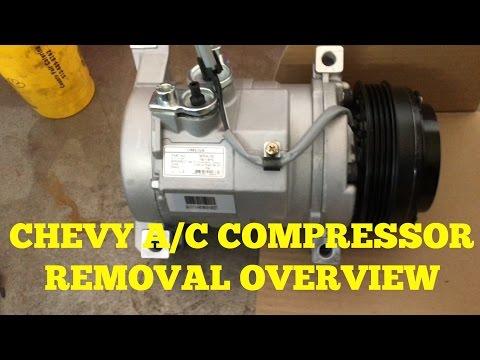







How to Replace the A/C Compressor on a 2008 Chevrolet Suburban 1500 (R-134a)
Step-by-step replacement with required tools/parts, accumulator & orifice tube tips, and recharge-by-weight guidance for 2007, 2008, 2009
How to Replace the A/C Compressor on a 2008 Chevrolet Suburban 1500 (R-134a)
Step-by-step replacement with required tools/parts, accumulator & orifice tube tips, and recharge-by-weight guidance for 2007, 2008, 2009


🔧 Suburban - A/C Compressor Replacement
Replacing the A/C compressor on your Suburban is a bolt-on job, but the refrigerant must be recovered and the system must be vacuum-evacuated and recharged by weight. Most repeat failures happen when debris and old oil stay in the system, so we’ll also cover the must-replace items that protect the new compressor.
Difficulty Level: Advanced | Estimated Time: 3-6 hours
⚠️ Safety & Precautions
- ⚠️ Refrigerant is under high pressure—do not open A/C lines until the system is professionally recovered.
- ⚠️ Wear safety glasses and gloves; liquid refrigerant can cause frostbite.
- ⚠️ Keep dirt out of open A/C lines—cap/plug every opening immediately.
- ⚠️ Disconnect the negative battery cable before unplugging compressor wiring.
- ⚠️ If the old compressor failed loudly or seized, assume metal debris is in the system and replace the accumulator + orifice tube and flush as needed.
🔧 Required Tools
You'll need the following tools for this repair:
- Safety glasses
- Nitrile gloves
- Floor jack (rated 3-ton minimum)
- Jack stands (rated 3-ton minimum)
- Wheel chocks
- 3/8" drive ratchet
- 1/2" drive ratchet
- Socket set (8mm, 10mm, 13mm, 15mm)
- Wrench set (10mm, 13mm, 15mm)
- Torque wrench (10–100 ft-lbs range)
- 3/8" serpentine belt tool or 3/8" breaker bar
- Trim clip removal tool
- Flathead screwdriver
- A/C line disconnect tool set (specialty)
- A/C manifold gauge set for R-134a (specialty)
- Vacuum pump (specialty)
- Refrigerant recovery machine (specialty)
- Refrigerant scale (specialty)
- Flush gun and approved A/C flush solvent (specialty)
- Catch pan
- Shop towels
🔩 Required Parts
HowToo sells all the parts you need for this repair:
- A/C compressor - Qty: 1
- A/C compressor clutch/pulley (if not included with compressor) - Qty: 1
- A/C accumulator/receiver-drier - Qty: 1
- A/C orifice tube - Qty: 1
- A/C O-ring and seal kit (R-134a compatible) - Qty: 1
- PAG A/C oil (GM-spec, correct viscosity for your system) - Qty: 1
- R-134a refrigerant - Qty: As required by underhood label
- Serpentine belt (optional if cracked/glazed) - Qty: 1
📋 Before You Begin
- Park on level ground, set the parking brake, and chock the rear wheels.
- Have the refrigerant professionally recovered, or use a refrigerant recovery machine (it safely removes and stores refrigerant).
- Let the engine cool completely; you’ll work around the radiator and belt drive.
- Disconnect the negative battery cable using a 10mm socket.
- Check the underhood A/C label for the exact factory charge weight (this is the only correct way to recharge).
- If your Suburban has rear A/C, charge amount and oil quantity are higher; plan parts and charge accordingly.
🔨 Step-by-Step Instructions
Follow these steps in order:
Step 1: Recover refrigerant (required)
- Connect the A/C manifold gauge set for R-134a (specialty) to the high/low service ports.
- Use the refrigerant recovery machine (specialty) to fully recover the system.
- Never vent refrigerant to the air.
Step 2: Remove intake ducting for access
- Loosen intake duct clamps using a flathead screwdriver or 8mm socket (whichever your clamps use).
- Remove any intake resonator/duct pieces using a 10mm socket.
- Set parts aside so you can reach the compressor and belt.
Step 3: Remove the serpentine belt from the A/C compressor
- Rotate the belt tensioner using a 3/8" serpentine belt tool or 3/8" breaker bar.
- Slip the belt off the A/C compressor pulley and slowly release the tensioner.
- If removing the belt completely, note the belt routing (take a photo).
Step 4: Disconnect the compressor electrical connector
- Unplug the compressor connector by hand; if the lock tab is tight, use a flathead screwdriver gently.
Step 5: Disconnect the A/C lines at the compressor
- Place a catch pan under the compressor area.
- Disconnect the suction/discharge lines using the A/C line disconnect tool set (specialty) (this tool releases the spring-lock coupling).
- Immediately cap/plug the open lines and compressor ports using shop towels to keep dirt out.
- Remove and discard old O-rings; you will install new ones later.
Step 6: Remove the A/C compressor
- Support the compressor by hand.
- Remove the compressor mounting bolts using a 13mm socket.
- Lift the compressor out carefully.
Step 7: Replace the accumulator/receiver-drier (recommended)
- Locate the accumulator (aluminum canister) at the evaporator outlet on the passenger-side firewall area.
- Disconnect the A/C line(s) using the A/C line disconnect tool set (specialty).
- Remove the accumulator bracket/fasteners using a 10mm socket and remove the accumulator.
- Install the new accumulator with new O-rings lubricated with a small amount of PAG A/C oil.
Step 8: Replace the orifice tube (recommended)
- Find the fixed orifice tube in the liquid line (commonly near the condenser/liquid line connection).
- Disconnect the line using the A/C line disconnect tool set (specialty).
- Remove the orifice tube and inspect it; heavy glitter/metal means the system likely needs flushing.
- Install the new orifice tube in the correct direction (arrow/flow direction matches original).
Step 9: Flush (only if contamination is present)
- If you found metal debris, flush the condenser and lines using a flush gun and approved A/C flush solvent (specialty).
- Do not flush the accumulator or compressor; those get replaced.
- Blow out flush solvent completely per solvent instructions before assembly.
Step 10: Add the correct oil amount to the new compressor
- Drain the old compressor oil into a measuring container over a catch pan.
- Add the same measured amount of fresh PAG A/C oil into the new compressor (unless a different amount is specified by the compressor instructions).
- Also add oil for replaced components if instructed by the parts manufacturer (accumulator/orifice replacement typically requires a small additional amount).
- Oil amount matters—don’t guess.
Step 11: Install the new compressor
- Set the compressor in place and start bolts by hand.
- Tighten compressor mounting bolts using a torque wrench (10–100 ft-lbs range): Torque to 37 Nm (27 ft-lbs).
Step 12: Reconnect A/C lines with new O-rings
- Install new O-rings from the A/C O-ring and seal kit (lightly coat with PAG A/C oil).
- Reconnect the A/C line couplings until fully seated/locked.
- If your connection uses a retaining bolt at the manifold, tighten using a 10mm socket: Torque to 25 Nm (18 ft-lbs).
Step 13: Reconnect electrical and reinstall the belt
- Reconnect the compressor electrical connector by hand until it clicks.
- Route the belt and rotate the tensioner using a 3/8" serpentine belt tool or 3/8" breaker bar.
- Install the belt and release tension slowly.
Step 14: Reinstall intake ducting and reconnect battery
- Reinstall intake components using a 10mm socket and tighten clamps using a flathead screwdriver or 8mm socket.
- Reconnect the negative battery cable using a 10mm socket.
Step 15: Evacuate and recharge the A/C system by weight
- Connect the A/C manifold gauge set for R-134a (specialty).
- Pull vacuum with the vacuum pump (specialty) for 30–45 minutes.
- Close valves and verify the system holds vacuum (a fast rise suggests a leak).
- Charge with R-134a refrigerant using a refrigerant scale (specialty) to the exact underhood label specification.
✅ After Repair
- Start the engine and set A/C to MAX; verify the compressor engages and the center vent air gets cold.
- Check for leaks at every opened connection (look for oily residue and listen for hissing).
- Verify pressures on the A/C manifold gauge set for R-134a (specialty) are stable and reasonable for ambient temperature.
- Recheck belt alignment on every pulley.
- If cooling is weak and charge is correct, the system may need further diagnosis (blend door, pressure sensor, airflow, or condenser efficiency).
💰 DIY vs Shop Cost
Shop Cost: $1,200-$2,500 (parts + labor)
DIY Cost: $350-$900 (parts only, assuming you have access to recovery/evac tools)
You Save: $850-$1,600 by doing it yourself!
Shop labor rates vary but typically run $100-$150/hour. This repair takes a shop approximately 3-5 hours.
🎯 Ready to get started?
HowToo makes it easy: same-day/2-day shipping on every part, plus all the tools and specialty tools you need! Check out the parts and tools sections below to add everything to your cart.