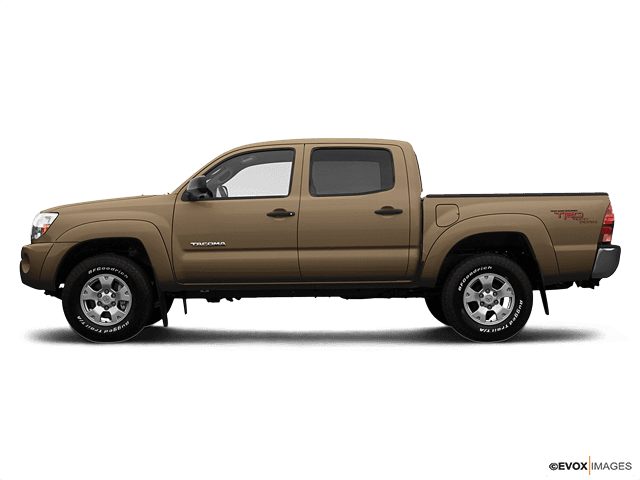









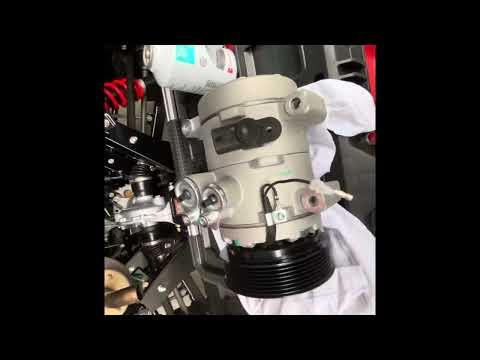







How to Replace the A/C Compressor on a 2007 Toyota Tacoma (R-134a System)
Step-by-step DIY instructions with required tools/parts, O-ring tips, oil matching, and recharge guidance for 2005, 2006, 2007, 2008
How to Replace the A/C Compressor on a 2007 Toyota Tacoma (R-134a System)
Step-by-step DIY instructions with required tools/parts, O-ring tips, oil matching, and recharge guidance for 2005, 2006, 2007, 2008


🔧 Tacoma - A/C Compressor Replacement
Replacing the A/C compressor on your Tacoma means safely recovering the refrigerant, removing the belt and compressor, swapping seals (O-rings), then evacuating (vacuum) and recharging the system. This job is very doable at home, but the refrigerant handling part requires the right equipment and is not something you can “skip” if the system still has pressure.
Difficulty Level: Advanced | Estimated Time: 3-6 hours
⚠️ Safety & Precautions
- ⚠️ Do not vent refrigerant to the air. Recover it with proper equipment.
- ⚠️ Wear eye protection. Refrigerant/oil can cause severe eye and skin injury.
- ⚠️ Keep fingers/tools clear of the belt path. The tensioner can snap back hard.
- ⚠️ Cap/plug A/C lines immediately after opening to keep moisture out.
- ⚠️ Disconnect the negative battery cable before working near the compressor clutch wiring.
🔧 Required Tools
You'll need the following tools for this repair:
- Safety glasses
- Nitrile gloves
- Wheel chocks
- Floor jack (rated 3-ton minimum)
- Jack stands (rated 3-ton minimum)
- 3/8" drive ratchet
- 1/2" drive ratchet
- Socket set 10mm-19mm
- Combination wrench set 10mm-19mm
- Serpentine belt tool or 1/2" breaker bar
- Torque wrench 10-80 ft-lbs
- Inch-pound torque wrench 50-250 in-lbs
- Flathead screwdriver
- Trim clip removal tool
- Pick set
- Line caps/plugs assortment
- Manifold gauge set (specialty)
- Vacuum pump (specialty)
- Refrigerant recovery machine (specialty)
- Refrigerant scale (specialty)
🔩 Required Parts
HowToo sells all the parts you need for this repair:
- A/C compressor (correct fit for Tacoma) - Qty: 1
- A/C compressor O-ring kit (HNBR green A/C O-rings) - Qty: 1
- Receiver/drier desiccant element (if serviceable) or A/C condenser assembly (if drier is not serviceable) - Qty: 1
- PAG A/C oil (ND-OIL 8 equivalent) - Qty: 1 bottle
- Refrigerant (R-134a) - Qty: per under-hood label
📋 Before You Begin
- 🧰 Park on level ground, transmission in reverse, parking brake set, and chock the rear wheels.
- 🧊 Make sure the A/C system refrigerant is properly recovered before opening any A/C line.
- 🔌 Disconnect the negative battery terminal using a 10mm socket.
- 🧴 If your new compressor does not come pre-filled, plan to measure and match oil (explained in the steps).
🔨 Step-by-Step Instructions
Follow these steps in order:
Step 1: Recover the refrigerant (required)
- Connect your manifold gauge set (specialty) to the high and low service ports.
- Use a refrigerant recovery machine (specialty) to recover the refrigerant until both gauges show no pressure.
- Manifold gauges show system pressure on both sides.
Step 2: Raise the front (as needed for access)
- Use a floor jack (rated 3-ton minimum) at the front jacking point and support with jack stands (rated 3-ton minimum).
- Keep wheel chocks behind the rear wheels.
Step 3: Remove splash shield(s) for access
- Remove lower engine cover/splash shields using a trim clip removal tool and 10mm socket.
- Set clips/bolts aside in a tray so they don’t get lost.
Step 4: Remove the serpentine belt from the A/C compressor
- Rotate the belt tensioner using a serpentine belt tool or 1/2" breaker bar to relieve tension.
- Slide the belt off the A/C compressor pulley first, then slowly release the tensioner.
- Take a photo of belt routing first.
Step 5: Unplug the compressor electrical connector
- Unclip and unplug the compressor/clutch connector by hand or with a flathead screwdriver (gentle pry).
Step 6: Disconnect the A/C suction and discharge lines at the compressor
- Place rags under the connection to catch any oil using nitrile gloves and safety glasses.
- Remove the line retaining bolt(s) using the correct size from your socket set 10mm-19mm (commonly 10mm/12mm).
- Pull the manifold/line block straight off the compressor (do not twist hard).
- Immediately cap the open lines and compressor ports using line caps/plugs assortment.
- Remove old O-rings with a pick set (don’t scratch the aluminum sealing surfaces).
- On reassembly, the line/manifold bolt typically tightens to Torque to 9.8 Nm (87 in-lbs) using an inch-pound torque wrench 50-250 in-lbs.
Step 7: Remove the compressor mounting bolts and compressor
- Support the compressor by hand.
- Remove the compressor mounting bolts using a ratchet and the correct socket from your socket set 10mm-19mm.
- Lower the compressor out carefully without bending any A/C lines.
- On reassembly, compressor mounting bolts typically tighten to Torque to 25 Nm (18 ft-lbs) using a torque wrench 10-80 ft-lbs.
Step 8: Match the compressor oil amount (critical)
- Drain the old compressor oil into a measuring container (not included) by rotating the compressor hub by hand and tipping it to pour.
- Drain the new compressor oil the same way and compare amounts.
- Add or remove oil so the new compressor contains the same amount you drained from the old one, using PAG A/C oil (ND-OIL 8 equivalent).
- Too much oil reduces cooling performance.
Step 9: Install new O-rings and reinstall the A/C lines
- Install new O-rings from the A/C compressor O-ring kit (HNBR green A/C O-rings).
- Lightly coat O-rings with clean PAG A/C oil (ND-OIL 8 equivalent) so they don’t tear.
- Reinstall the line block squarely, then torque the retaining bolt to Torque to 9.8 Nm (87 in-lbs) using an inch-pound torque wrench 50-250 in-lbs.
Step 10: Install the compressor and reconnect wiring
- Position the compressor and start all mounting bolts by hand to avoid cross-threading.
- Tighten mounting bolts evenly, then Torque to 25 Nm (18 ft-lbs) using a torque wrench 10-80 ft-lbs.
- Reconnect the electrical connector until it clicks.
Step 11: Reinstall the serpentine belt
- Route the belt correctly, rotate the tensioner using a serpentine belt tool or 1/2" breaker bar, and slip the belt onto the compressor pulley.
- Double-check the belt is fully seated in every pulley groove with a flashlight.
Step 12: Replace the receiver/drier (recommended when system is opened)
- If your Tacoma uses a serviceable desiccant element, replace it per the kit instructions using a socket set 10mm-19mm and pick set.
- If the drier is not serviceable on your setup, replace the condenser assembly (it contains the drier) using a socket set 10mm-19mm and combination wrench set 10mm-19mm.
- Always use new O-rings and light oil on O-rings during any A/C joint reassembly.
Step 13: Evacuate (vacuum) the system
- Reconnect the manifold gauge set (specialty).
- Connect a vacuum pump (specialty) and pull vacuum for at least 30-45 minutes.
- Close the valves and verify it holds vacuum (no leak) for 10-15 minutes.
- A vacuum boils out moisture from inside.
Step 14: Recharge with the exact specified refrigerant weight
- Charge the system with R-134a using a refrigerant scale (specialty) to the exact amount listed on the under-hood A/C label.
- Start the engine and turn A/C to MAX and recirculation, then monitor pressures with the manifold gauge set (specialty).
✅ After Repair
- ✅ Reinstall splash shields using a 10mm socket and any clips with a trim clip removal tool.
- ✅ Reconnect the battery negative terminal using a 10mm socket.
- ✅ With the engine running and A/C on, confirm: cold vent temps, compressor engages, no belt noise, and no oily residue at the line connection.
- ✅ If cooling is weak or pressures are abnormal, stop and leak-check (common causes: pinched O-ring, under/over charge).
💰 DIY vs Shop Cost
Shop Cost: ₹35,000-₹80,000 (parts + labor + recover/evac/recharge)
DIY Cost: ₹18,000-₹55,000 (parts only, assuming you already have A/C equipment)
You Save: ₹17,000-₹25,000+ by doing it yourself!
Shop labor rates vary but typically run ₹1,200-₹2,500/hour. This repair takes a shop approximately 2.5-4.0 hours.
🎯 Ready to get started?
HowToo makes it easy: same-day/2-day shipping on every part, plus all the tools and specialty tools you need! Check out the parts and tools sections below to add everything to your cart.