














How to Replace the 12V Battery on a 2022 Honda CR-V at Home
Step-by-step DIY battery change guide with tools, parts list, torque specs, safety tips, and cost savings
How to Replace the 12V Battery on a 2022 Honda CR-V at Home
Step-by-step DIY battery change guide with tools, parts list, torque specs, safety tips, and cost savings


🔧 CR-V - Battery Replacement
You can replace the 12V battery on your CR-V at home with basic tools. The battery sits in the engine bay and is held by a clamp and two cables. You’ll remove the old one carefully, install the new one, then tighten everything and confirm the car starts normally.
Difficulty Level: Beginner | Estimated Time: 30-45 minutes
⚠️ Safety & Precautions
- ⚠️ Always disconnect the negative (–) battery terminal first to avoid short circuits.
- ⚠️ Wear safety glasses and gloves; batteries can leak acid and create sparks.
- ⚠️ Never place tools across both terminals or terminal to body metal; this can cause a dangerous short.
- ⚠️ Keep flames, cigarettes, and sparks away; batteries can release explosive gas.
- ⚠️ Your radio presets and trip data may reset when the battery is disconnected.
- ⚠️ Do not tilt or drop the battery; it is heavy and can leak if damaged.
🔧 Required Tools
You'll need the following tools for this repair:
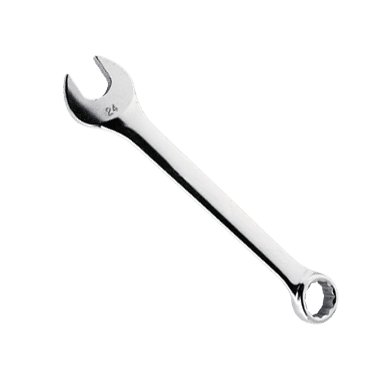
- 🔹10mm combination wrench
- 🔹10mm socket
- 🔹12mm socket
- 🔹3/8" drive ratchet
- 🔹3/8" drive 6" extension
- 🔹Small flathead screwdriver
- 🔹Battery terminal brush
- 🔹Battery carrying strap (specialty)
- 🔹Shop rags
- 🔹Baking soda
- 🔹Small plastic cup or container
- 🔹Safety glasses
- 🔹Mechanic gloves
🔩 Required Parts
HowToo sells all the parts you need for this repair:
- 🔹12V replacement battery (Group 51R, AGM or flooded per spec) - Qty: 1
- 🔹Battery anti-corrosion washers - Qty: 2
- 🔹Battery terminal protectant spray - Qty: 1
- 🔹Battery hold-down hardware kit - Qty: 1 (only if old parts are rusted or damaged)
📋 Before You Begin
- Park your CR-V on level ground, select P (Park), and set the parking brake.
- Switch off all lights and accessories, then remove the key fob from the vehicle.
- Open the hood using the interior hood release, then the safety catch at the front of the hood.
- Let the engine bay cool down if you just drove; hot parts can burn you.
🔨 Step-by-Step Instructions
Follow these steps in order:
Step 1: Locate the battery and inspect the area
- Open the hood and prop it up with the hood rod.
- The battery on your CR-V is on the driver side front of the engine bay, in a plastic tray with a hold-down bracket.
- Look for the positive (+) terminal (usually under a red cover) and the negative (–) terminal (usually black and uncovered or with a black cover).
Step 2: Mix a mild cleaning solution (optional but recommended)
- In a small plastic cup, mix a spoonful of baking soda with some water.
- This solution helps neutralize any dried acid or white/green corrosion on or around the terminals.
Step 3: Clean heavy corrosion around the terminals
- If you see white or green crust on the terminals, dip a shop rag into the baking soda solution and dab it onto the crusted areas.
- Wipe away the loosened corrosion with a clean part of the rag.
- Do not let liquid run deep into electrical parts.
Step 4: Disconnect the negative (–) terminal
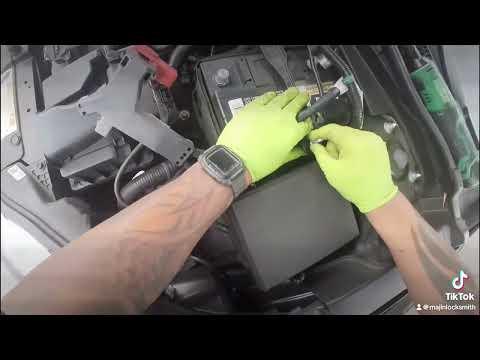
- Use a 10mm combination wrench or 10mm socket with 3/8" drive ratchet to loosen the nut on the negative (–) terminal clamp.
- Once the nut is loose, gently twist and lift the clamp off the negative post by hand.
- Move the negative cable aside so it cannot spring back and touch the terminal again. You can tuck it behind nearby wiring.
- Always remove negative first to reduce spark risk.
Step 5: Disconnect the positive (+) terminal
- Flip open or remove the red plastic cover on the positive terminal using a small flathead screwdriver if needed.
- Use the 10mm combination wrench or 10mm socket to loosen the nut on the positive clamp.
- Twist and lift the clamp off the positive post and gently move the cable out of the way.
- Do not let the positive cable touch metal parts.
Step 6: Remove the battery hold-down bracket
- Find the metal or plastic bar across the top or front of the battery; this is the hold-down bracket.
- Use a 12mm socket with 3/8" drive ratchet and 6" extension to remove the hold-down bolts at the base or sides of the bracket.
- Carefully lift the bracket and any hooks out and set them aside.
- Keep track of hardware; you will reuse it.
Step 7: Lift out the old battery
- Check the weight before lifting; car batteries are heavy.
- Attach a battery carrying strap (specialty) to the battery if available.
- Lift the battery straight up and out of the tray, keeping it level. Use your legs, not just your back.
- Place it on the ground away from children and pets.
Step 8: Clean the battery tray and terminals
- Use shop rags to wipe dirt and moisture from the tray.
- If the tray has corrosion, dab it with the remaining baking soda solution then dry it thoroughly with rags.
- Use a battery terminal brush to gently clean the inside of the cable clamps (both positive and negative) until the metal looks bright.
Step 9: Place the new battery in the tray
- Check the new battery orientation: terminals must match the old one (positive and negative in the same positions).
- Carefully lower the new battery into the tray using the battery carrying strap (specialty) or by holding the built-in handles.
- Make sure the battery sits flat and fully down in the tray.
- Slide on the battery anti-corrosion washers over each post, if used.
Step 10: Reinstall the battery hold-down bracket
- Position the hold-down bracket over or in front of the battery as it was originally.
- Install the bolts using the 12mm socket with 3/8" drive ratchet and 6" extension.
- Tighten the bolts until the battery is secure and does not move, but do not overtighten to the point of cracking the case.
- Torque to approximately 7–10 Nm (5–7 ft-lbs) if you have a torque wrench.
Step 11: Connect the positive (+) terminal
- Place the positive cable clamp onto the positive battery post.
- Push it down so it sits all the way on the post.
- Use the 10mm combination wrench or 10mm socket to tighten the clamp nut.
- Torque to approximately 5–7 Nm (4–5 ft-lbs) if you have a torque wrench; clamp should be snug and not rotate.
- Close the red plastic cover over the positive terminal.
Step 12: Connect the negative (–) terminal
- Place the negative cable clamp onto the negative battery post.
- Use the 10mm combination wrench or 10mm socket to tighten the clamp nut.
- Torque to approximately 5–7 Nm (4–5 ft-lbs) if available.
- Check that both clamps do not twist by hand; retighten slightly if they move.
Step 13: Protect the terminals
- Spray a light coat of battery terminal protectant spray on both terminals and clamps.
- This helps slow down future corrosion.
Step 14: Initial test
- Remove tools and rags from the engine bay.
- Start your CR-V and let it idle for a few minutes.
- Check that all warning lights behave normally and that the engine runs smoothly.
- If the engine does not crank, recheck that both terminals are tight and correctly connected.
✅ After Repair
- 🧪 Start the engine and let it run for 5–10 minutes to let the control modules see stable voltage.
- 📻 Reset your radio presets, clock, and any customized settings in the infotainment system as needed.
- 🚗 Take a short drive and verify that no warning lights stay on (except ones that always light briefly at key-on).
- ♻️ Recycle the old battery at an auto parts store or recycling center; do not throw it in the trash.
💰 DIY vs Shop Cost
Shop Cost: $250-$350 (parts + labor)
DIY Cost: $140-$220 (parts only, depending on battery type)
You Save: $110-$130 by doing it yourself!
Shop labor rates vary but typically run $100-$150/hour. This repair takes a shop approximately 0.3-0.5 hours.
🎯 Ready to get started?
HowToo makes it easy: same-day/2-day shipping on every part, plus all the tools and specialty tools you need! Check out the parts and tools sections below to add everything to your cart.