









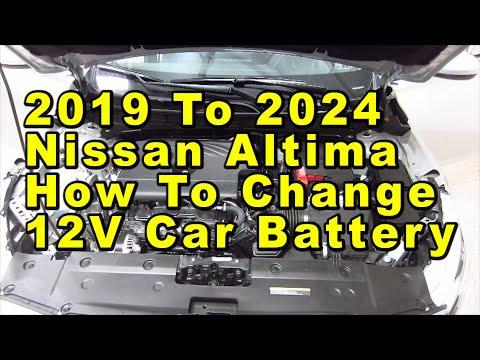





How to Replace the 12V Battery on a 2021 Nissan Altima (Step-by-Step Guide)
Tools, battery types (including Start/Stop EFB), safety tips, and post-install checks for a clean install for 2019, 2020, 2021, 2022, 2023, 2024
How to Replace the 12V Battery on a 2021 Nissan Altima (Step-by-Step Guide)
Tools, battery types (including Start/Stop EFB), safety tips, and post-install checks for a clean install for 2019, 2020, 2021, 2022, 2023, 2024


🔧 Altima - 12V Battery Replacement
Replacing your battery is mostly about removing the old one safely and installing the new one with clean, tight connections. On your Altima, the battery is in the engine bay and uses a simple hold-down bracket.
Difficulty Level: Beginner | Estimated Time: 0.5-1.0 hours
⚠️ Safety & Precautions
- ⚠️ Turn the car OFF, remove the key fob from the car, and keep it at least 10 feet away.
- ⚠️ Always disconnect the negative (-) terminal first and reconnect it last.
- ⚠️ Do not let a tool touch both the battery terminal and metal body parts at the same time.
- ⚠️ Wear gloves and safety glasses; battery acid is corrosive.
- ⚠️ If your Altima has Auto Start/Stop, it may require a specific battery type; match what’s installed now.
🔧 Required Tools
You'll need the following tools for this repair:
- 10mm socket
- 1/4" ratchet
- 6" extension (1/4" drive)
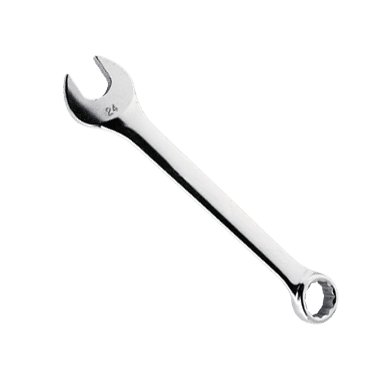
- 10mm combination wrench
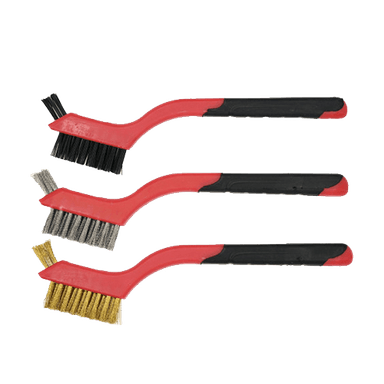
- Battery terminal cleaning brush
- Torque wrench (in-lb) (specialty)
- Memory saver (OBD-II) (specialty)
- Nitrile gloves
- Safety glasses
🔩 Required Parts
HowToo sells all the parts you need for this repair:
- 12V battery (match group size to existing battery label) - Qty: 1
- 12V battery (EFB type, for Auto Start/Stop-equipped models) - Qty: 1
- Battery terminal anti-corrosion spray - Qty: 1
- Battery terminal felt washers - Qty: 2
📋 Before You Begin
- Park on level ground, shift to P, and set the parking brake.
- Open the hood and make sure the engine bay is cool.
- If you want to keep radio presets and some settings, use a Memory saver (OBD-II) (it supplies temporary 12V power through the diagnostic port).
- Confirm the replacement battery matches what you have now (group size and type). The easiest way: read the label on the current battery before removing it.
🔨 Step-by-Step Instructions
Follow these steps in order:
Step 1: Access the battery
- Open the hood and locate the battery in the engine bay.
- If there’s a plastic battery cover, remove it by releasing the clips by hand.
- Take a quick photo of terminal layout.
Step 2: Disconnect the negative (-) terminal
- Use a 10mm socket with a 1/4" ratchet to loosen the negative terminal clamp nut.
- Wiggle the clamp and lift it off the battery post.
- Tuck the negative cable end to the side so it can’t spring back and touch the post.
Step 3: Disconnect the positive (+) terminal
- Use a 10mm socket to loosen the positive terminal clamp nut.
- Lift the clamp off the post.
- If your Altima has a red protective cap, flip it back over the positive terminal end for safety.
Step 4: Remove the battery hold-down
- Use a 10mm socket, 1/4" ratchet, and 6" extension to remove the battery hold-down nuts/bolts.
- Lift off the hold-down bracket and set it aside.
Step 5: Remove the old battery
- Wear nitrile gloves and safety glasses.
- Lift the battery straight up and out (it’s heavy—use your legs, not your back).
- Set it on the ground upright.
Step 6: Clean the terminals and tray
- Use a battery terminal cleaning brush to clean inside each cable clamp until the metal looks bright.
- Wipe any debris from the tray area by hand.
- Install battery terminal felt washers if you’re using them.
Step 7: Install the new battery
- Place the new battery into the tray in the same orientation as the old one (terminals in the same positions).
- Reinstall the hold-down bracket.
- Use a 10mm socket to snug the hold-down fasteners evenly.
- If you have the spec for your exact battery tray/hold-down, use a torque wrench (in-lb) (specialty) to tighten to factory specification.
Step 8: Reconnect the positive (+) terminal first
- Push the positive clamp fully down onto the battery post.
- Use a 10mm socket to tighten the clamp nut.
- Tighten until the clamp does not rotate on the post by hand; do not overtighten.
- Apply battery terminal anti-corrosion spray after the connection is tight.
Step 9: Reconnect the negative (-) terminal last
- Push the negative clamp fully down onto the battery post.
- Use a 10mm socket to tighten the clamp nut.
- Apply battery terminal anti-corrosion spray after the connection is tight.
Step 10: Reinstall any covers
- Reinstall the battery cover (if equipped) by snapping the clips back in place.
- Double-check both terminals are fully seated and tight.
✅ After Repair
- Start the engine and confirm it cranks normally and the dash warning lights clear after a few seconds.
- Set the clock and re-save radio presets if they were lost.
- If an auto-up window feature doesn’t work, re-initialize: with the car ON, fully lower the window, then fully raise it and hold the switch up for 3-5 seconds.
- If the battery light stays on, recheck terminal tightness and cleanliness.
💰 DIY vs Shop Cost
Shop Cost: $220-$450 (parts + labor)
DIY Cost: $170-$330 (parts only)
You Save: $50-$120 by doing it yourself!
Shop labor rates vary but typically run $100-$150/hour. This repair takes a shop approximately 0.5-1.0 hours.
🎯 Ready to get started?
HowToo makes it easy: same-day/2-day shipping on every part, plus all the tools and specialty tools you need! Check out the parts and tools sections below to add everything to your cart.