









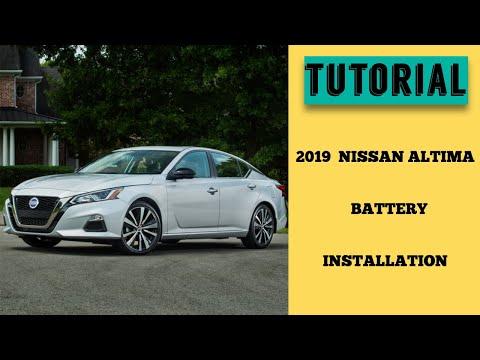





How to Replace the 12V Battery on a 2019 Nissan Altima (Step-by-Step)
Complete DIY 2019 Nissan Altima battery change guide with tools, parts list, torque specs, safety tips, and cost savings for 2019, 2020, 2021, 2022, 2023, 2024
How to Replace the 12V Battery on a 2019 Nissan Altima (Step-by-Step)
Complete DIY 2019 Nissan Altima battery change guide with tools, parts list, torque specs, safety tips, and cost savings for 2019, 2020, 2021, 2022, 2023, 2024


🔧 Altima - 12V Battery Replacement
You’ll be replacing the 12-volt battery under the hood of your Altima. This restores reliable starting, prevents electrical issues, and is a good beginner-friendly job if you work slowly and safely.
Difficulty Level: Beginner | Estimated Time: 30–60 minutes
⚠️ Safety & Precautions
- ⚠️ Always wear safety glasses and gloves; batteries contain acid and can spark.
- ⚠️ Keep metal tools away from both terminals at the same time to avoid short circuits.
- ⚠️ Always disconnect the negative (–) terminal first and reconnect it last to reduce spark risk.
- ⚠️ Work with the engine off, ignition OFF, and key/fob away from the car.
- ⚠️ Don’t smoke or use open flames near the battery.
🔧 Required Tools
You'll need the following tools for this repair:
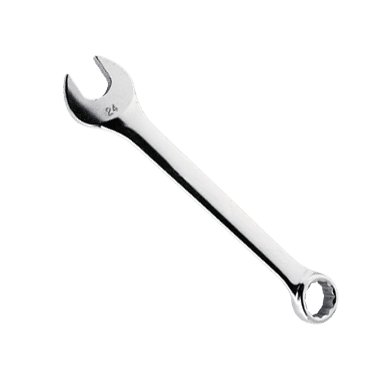
- 🛠️ 10mm combination wrench
- 🛠️ 10mm socket
- 🛠️ 12mm socket
- 🛠️ 3/8" drive ratchet
- 🛠️ 3" socket extension
- 🛠️ Battery terminal brush
- 🛠️ Small flathead screwdriver
- 🛠️ Work gloves
- 🛠️ Safety glasses
- 🛠️ 12V memory saver (OBD type) (specialty)
🔩 Required Parts
HowToo sells all the parts you need for this repair:
- 🔩 12V starting battery (correct group size for Altima) - Qty: 1
- 🔩 Battery terminal anti-corrosion spray - Qty: 1
- 🔩 Battery terminal felt washers - Qty: 1 set
- 🔩 Baking soda (for neutralizing any spilled acid) - Qty: small box
- 🔩 - Qty: several
📋 Before You Begin
- Park the Altima on level ground, shift to PARK, and set the parking brake.
- Turn off all lights, blower fan, radio, and ignition, and remove the key/fob from the car.
- If you have a memory saver (a small device that keeps power to the car through the OBD port), plug it into the OBD port under the dash before disconnecting the battery. This keeps radio presets and settings.
- Open the hood and use the hood prop rod to secure it.
- Confirm you have the correct new battery (same physical size and terminal layout as the old one).
🔨 Step-by-Step Instructions
Follow these steps in order:
Step 1: Locate the battery and inspect the area
- The battery is in the engine bay on the driver side near the front.
- Check for any heavy corrosion (white/green powder) on the terminals and cables.
- If corrosion is severe, have water and baking soda ready to neutralize it.
Step 2: Remove any plastic battery cover
- If your battery has a plastic top cover, gently lift it off.
- Use the small flathead screwdriver to release any small clips if needed.
- Set the cover aside where it won’t get lost.
Step 3: Loosen and disconnect the negative (–) terminal
- Find the negative (–) terminal; it usually has a black cable and “–” marking.
- Use the 10mm combination wrench or 10mm socket and ratchet to loosen the clamp nut.
- Once loose, twist the clamp gently and lift it off the battery post.
- Push the negative cable away from the battery so it cannot accidentally touch the terminal.
Step 4: Loosen and disconnect the positive (+) terminal
- Find the positive (+) terminal; it usually has a red cover and “+” marking.
- Flip open or slide off the red plastic cap using the small flathead screwdriver if needed.
- Use the 10mm combination wrench or 10mm socket and ratchet to loosen the clamp nut.
- Lift the positive clamp straight up from the battery post and move it aside.
Step 5: Remove the battery hold-down bracket
- At the base or side of the battery, locate the metal or plastic hold-down bracket that secures the battery.
- Use the 12mm socket, 3/8" drive ratchet, and 3" extension to remove the hold-down bolt(s).
- Pull the hold-down bracket away and set it aside.
- Keep bolts and bracket together so they don’t get lost.
Step 6: Lift out the old battery
- Batteries are heavy; use both hands and keep your back straight.
- Grab the battery by the built-in handle (if present) and lift it straight up and out.
- Place the battery upright on the ground, away from children and pets.
- If any acid or white powder is on the tray, sprinkle baking soda, then wipe with a shop rag.
Step 7: Clean the battery tray and terminals
- Use the shop rag to wipe dirt from the battery tray.
- Use the battery terminal brush to clean the inside of both cable clamps until metal is shiny.
- If you have felt washers, slide them onto the posts of the new battery before reinstalling.
Step 8: Install the new battery in the tray
- Carefully lower the new battery into the tray with the same orientation as the old one (positive and negative in the same positions).
- Ensure it sits flat and fully down in the tray.
Step 9: Reinstall the battery hold-down bracket
- Position the hold-down bracket over or against the new battery.
- Install the bolt(s) by hand first to avoid cross-threading.
- Use the 12mm socket, 3/8" drive ratchet, and 3" extension to tighten the hold-down bolt(s).
- Torque to 20 Nm (15 ft-lbs) so the battery is secure but not crushed.
Step 10: Connect the positive (+) terminal first
- Place the positive (+) cable clamp fully down on the positive battery post.
- Use the 10mm combination wrench or 10mm socket and ratchet to tighten the clamp nut.
- Torque to 5 Nm (44 in-lbs) – snug but not over-tight; the clamp should not twist by hand.
- Close the red plastic protective cap over the positive terminal.
Step 11: Connect the negative (–) terminal last
- Place the negative (–) cable clamp fully down on the negative post.
- Use the 10mm combination wrench or 10mm socket and ratchet to tighten the clamp nut.
- Torque to 5 Nm (44 in-lbs); clamp should be snug and not rotate.
- You may see a small spark when it touches; that is normal if everything is off.
Step 12: Apply anti-corrosion protection and reinstall cover
- Spray a light coat of battery terminal anti-corrosion spray on both terminals and clamps.
- Reinstall the plastic battery cover if your Altima has one, pressing it down until it clicks.
✅ After Repair
- Start the engine and listen for normal cranking and running.
- Check that headlights, interior lights, and blower fan all work normally.
- Reset your radio presets, clock, and any saved settings if they were lost.
- Confirm there are no warning lights staying on in the cluster (other than normal seatbelt, etc.).
- After a short drive, recheck that the battery is secure and the clamps are still tight.
💰 DIY vs Shop Cost
Shop Cost: $220–$340 (parts + labor)
DIY Cost: $140–$220 (battery + small supplies)
You Save: $80–$120 by doing it yourself!
Shop labor rates vary but typically run $100–$150/hour. This repair takes a shop approximately 0.3–0.5 hours.
🎯 Ready to get started?
HowToo makes it easy: same-day/2-day shipping on every part, plus all the tools and specialty tools you need! Check out the parts and tools sections above to add everything to your cart.