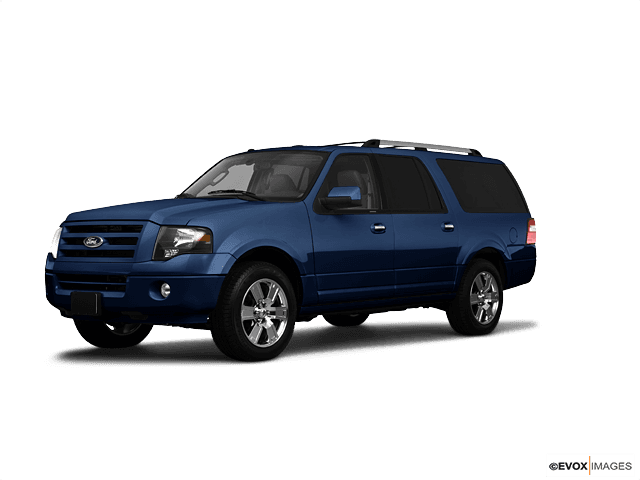









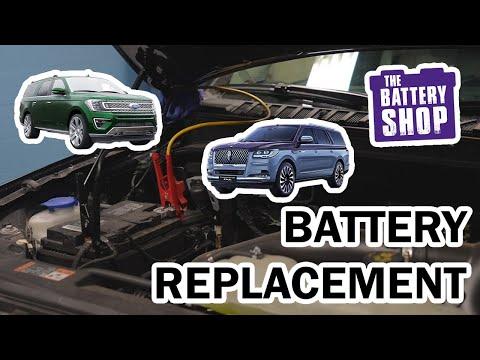





How to Replace the 12V Battery on a 2018 Ford Expedition (Plus BMS Reset)
Step-by-step under-hood battery swap with tools/parts list, torque specs, and Battery Monitoring System reset steps
How to Replace the 12V Battery on a 2018 Ford Expedition (Plus BMS Reset)
Step-by-step under-hood battery swap with tools/parts list, torque specs, and Battery Monitoring System reset steps


🔧 Expedition - 12V Battery Replacement
Replacing the 12V battery on your Expedition is a straightforward under-hood job. The key is to remove the cables in the correct order, secure the new battery properly, and then reset the Battery Monitoring System (BMS) so charging works correctly.
Difficulty Level: Beginner | Estimated Time: 0.5-1.0 hours
⚠️ Safety & Precautions
- ⚠️ Work with the engine OFF and keys away from the vehicle.
- ⚠️ Wear eye protection and gloves; batteries can vent acid and explosive gas.
- ⚠️ Never short the battery terminals with a tool.
- ⚠️ Disconnect the negative cable first and reconnect it last.
- ⚠️ If you use a memory saver, connect it before removing cables.
🔧 Required Tools
You'll need the following tools for this repair:
- 10mm socket
- 13mm socket
- 3/8" ratchet
- 6" socket extension
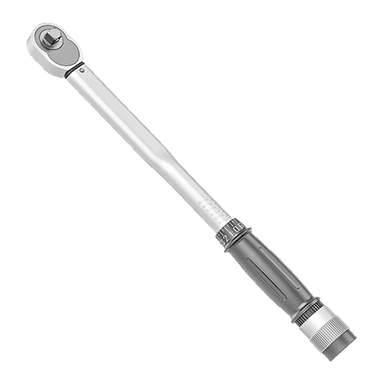
- Torque wrench (inch-pound capable)
- Battery terminal puller (specialty)
- Battery brush terminal cleaner
- Memory saver (OBD-II) (specialty)
- Nitrile gloves
- Safety glasses
🔩 Required Parts
HowToo sells all the parts you need for this repair:
- 12V battery (correct fitment for your Expedition) - Qty: 1
- Battery terminal anti-corrosion pads - Qty: 2
- Battery terminal protectant spray - Qty: 1
📋 Before You Begin
- Park on level ground, shift to Park, and set the parking brake.
- Open the hood and keep your key fob at least 10+ feet away.
- If you want to preserve presets, connect a memory saver (OBD-II) now (it provides temporary keep-alive power through the diagnostic port).
- Make sure headlights, climate control, and accessories are OFF.
🔨 Step-by-Step Instructions
Follow these steps in order:
Step 1: Access the battery
- Open the hood and locate the battery in the engine compartment.
- If there’s a top cover/insulator, unclip/remove it by hand.
Step 2: Disconnect the negative (–) cable first
- Use a 10mm socket with a 3/8" ratchet to loosen the negative terminal clamp nut.
- Lift the negative cable off and tuck it aside so it cannot spring back.
- Negative off first prevents accidental shorting.
Step 3: Disconnect the positive (+) cable
- Use a 10mm socket to loosen the positive terminal clamp nut.
- Remove the positive cable and position it away from the battery.
Step 4: Remove the battery hold-down
- Locate the hold-down clamp at the base of the battery.
- Use a 13mm socket, 6" socket extension, and 3/8" ratchet to remove the hold-down bolt.
- Lift out the hold-down clamp and set it aside.
Step 5: Remove the old battery
- Lift the battery straight up and out (it’s heavy—use your legs, not your back).
- Place it upright on the ground.
Step 6: Clean and prep the terminals
- Use a battery brush terminal cleaner to clean the inside of both cable clamps.
- Install battery terminal anti-corrosion pads on the new battery posts.
Step 7: Install the new battery
- Set the new battery into the tray in the same orientation as the old one.
- Reinstall the hold-down clamp and bolt using a 13mm socket.
- Use a torque wrench: Torque to 20 Nm (15 ft-lbs).
Step 8: Reconnect cables (positive first)
- Install the positive (+) cable first and tighten with a 10mm socket.
- Use a torque wrench: Torque to 6 Nm (53 in-lbs).
- Install the negative (–) cable last and tighten with a 10mm socket.
- Use a torque wrench: Torque to 6 Nm (53 in-lbs).
- Spray terminals lightly with battery terminal protectant spray.
Step 9: Reset the Battery Monitoring System (BMS)
- Close the hood (or keep it safely propped) and sit in the driver seat.
- Turn ignition ON (engine OFF).
- Within 10 seconds: flash high beams 5 times, then press the brake pedal 3 times.
- If done correctly, the battery/charging indicator will flash to confirm the reset.
✅ After Repair
- Start the engine and confirm normal cranking and no warning lights.
- Verify accessories work (radio, windows, locks).
- If you have a charger/voltmeter, confirm charging voltage is roughly 13.5-14.8V with the engine running.
- Drive normally for a few trips; the system may relearn idle/charging behavior.
💰 DIY vs Shop Cost
Shop Cost: $250-$450 (parts + labor)
DIY Cost: $180-$320 (parts only)
You Save: $70-$130 by doing it yourself!
Shop labor rates vary but typically run $100-$150/hour. This repair takes a shop approximately 0.5-1.0 hours.
🎯 Ready to get started?
HowToo makes it easy: same-day/2-day shipping on every part, plus all the tools and specialty tools you need! Check out the parts and tools sections below to add everything to your cart.