









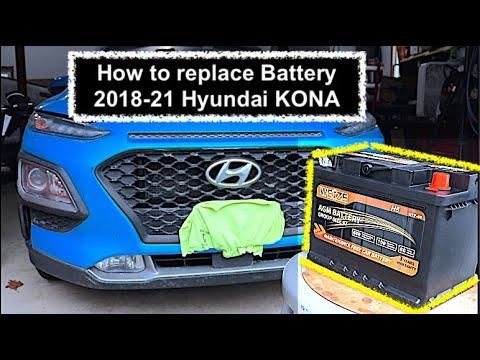





How to Replace the 12V Battery on a 2018-2026 Hyundai Kona (Step-by-Step Guide) (Engine: Inline 4 1.6L)
Tools, parts, safety tips, and torque specs to fix slow cranking and no-start battery issues
How to Replace the 12V Battery on a 2018-2026 Hyundai Kona (Step-by-Step Guide) (Engine: Inline 4 1.6L)
Tools, parts, safety tips, and torque specs to fix slow cranking and no-start battery issues for 2018, 2019, 2020, 2021, 2022, 2023, 2024, 2025, 2026


🔧 Kona - 12V Battery Replacement
You’ll remove the old 12V battery from the engine bay and install a new one. This fixes slow cranking, warning lights from low voltage, and “dead battery” no-start issues.
Difficulty Level: Beginner | Estimated Time: 0.5-1.0 hours
⚠️ Safety & Precautions
- ⚠️ Keep the key fob at least 10 feet away so the Kona stays fully off.
- ⚠️ Turn ignition OFF and remove any chargers from the 12V outlet.
- ⚠️ Batteries can vent hydrogen gas; do this in a well-ventilated area.
- ⚠️ Never let a tool touch both battery terminals at the same time.
- ⚠️ Always disconnect the negative (-) terminal first, reconnect it last.
- ⚠️ If your Kona has Auto Start-Stop (ISG), it typically uses an AGM battery—use the same type as installed.
🔧 Required Tools
You'll need the following tools for this repair:
- 10mm socket
- 12mm socket
- 3/8" ratchet
- 6" socket extension
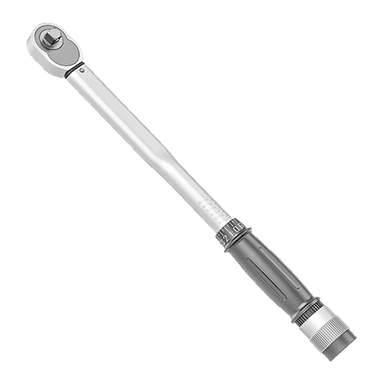
- Torque wrench (5-30 Nm range)
- Battery terminal puller (specialty)
- Battery terminal cleaning brush
- Trim clip tool
- Memory saver (12V OBD-II) (specialty)
- Nitrile gloves
- Safety glasses
🔩 Required Parts
HowToo sells all the parts you need for this repair:
- 12V battery (correct fit for Kona) - Qty: 1
- Battery terminal anti-corrosion washers - Qty: 2
- Battery terminal protectant spray - Qty: 1
📋 Before You Begin
- Park on level ground, shift to Park, and set the parking brake.
- Open the hood and let the engine bay cool if it’s hot.
- If you want to keep radio presets and settings, connect a Memory saver (12V OBD-II) now (it feeds low power while the battery is out).
- Make sure lights, HVAC, and accessories are OFF.
🔨 Step-by-Step Instructions
Follow these steps in order:
Step 1: Access the battery
- Open the hood.
- If a plastic cover blocks access, remove it using a trim clip tool.
Step 2: Disconnect the negative (-) terminal first
- Use a 10mm socket and 3/8" ratchet to loosen the negative (-) terminal clamp nut.
- Lift the clamp straight up and off the battery post.
- If it’s stuck, use a battery terminal puller (specialty). Don’t pry on the battery case.
Step 3: Disconnect the positive (+) terminal
- Use a 10mm socket and 3/8" ratchet to loosen the positive (+) terminal clamp nut.
- Remove the clamp from the post, then move it aside so it cannot spring back.
Step 4: Remove the battery hold-down
- At the battery base, remove the hold-down bracket/bolts using a 12mm socket, 6" extension, and 3/8" ratchet.
- Set the bracket and hardware aside.
Step 5: Remove the old battery
- Wearing nitrile gloves and safety glasses, lift the battery straight up and out.
- Batteries are heavy—use your legs, not your back. Keep it upright.
Step 6: Clean and prep the terminals
- Use a battery terminal cleaning brush to clean the inside of both terminal clamps until shiny.
- Install battery terminal anti-corrosion washers if you’re using them.
Step 7: Install the new battery
- Place the new battery into the tray in the same orientation as the old one (positive and negative posts match the cables).
- Reinstall the hold-down bracket using a 12mm socket, extension, and torque wrench.
- Torque to 18-22 Nm (13-16 ft-lbs).
Step 8: Reconnect the positive (+) terminal first
- Install the positive (+) clamp onto the battery post.
- Use a 10mm socket and torque wrench to tighten the clamp nut.
- Torque to 6-8 Nm (53-71 in-lbs).
- Apply a light coat of battery terminal protectant spray.
Step 9: Reconnect the negative (-) terminal last
- Install the negative (-) clamp onto the battery post.
- Use a 10mm socket and torque wrench to tighten the clamp nut.
- Torque to 6-8 Nm (53-71 in-lbs).
- Apply a light coat of battery terminal protectant spray.
Step 10: Reinstall any covers
- Reinstall any battery/engine covers you removed using a trim clip tool.
✅ After Repair
- Start the Kona and confirm normal cranking.
- Check that no battery terminals can rotate by hand.
- Set the clock and restore radio presets if they reset.
- If auto-up window function stops working: fully close the window, then hold the switch UP for 3 seconds to re-initialize.
- If a warning light appears after replacement, recheck terminal tightness and cleanliness first.
💰 DIY vs Shop Cost
Shop Cost: $250-$450 (parts + labor)
DIY Cost: $140-$280 (parts only)
You Save: $110-$170 by doing it yourself!
Shop labor rates vary but typically run $100-$150/hour. This repair takes a shop approximately 0.5-1.0 hours.
🎯 Ready to get started?
HowToo makes it easy: same-day/2-day shipping on every part, plus all the tools and specialty tools you need! Check out the parts and tools sections below to add everything to your cart.
Guide for Vehicle Battery replace for these Hyundai vehicles
| Year Make Model | Sub Model | Engine | Body Style |
|---|---|---|---|
| 2026 Hyundai Kona | - | Inline 4 1.6L | - |
| 2026 Hyundai Kona | - | Inline 4 2.0L | - |
| 2025 Hyundai Kona | - | Inline 4 1.6L | - |
| 2025 Hyundai Kona | - | Inline 4 2.0L | - |
| 2024 Hyundai Kona | - | Inline 4 1.6L | - |
| 2024 Hyundai Kona | - | Inline 4 2.0L | - |
| 2023 Hyundai Kona | - | Inline 4 1.6L | - |
| 2023 Hyundai Kona | - | Inline 4 2.0L | - |
| 2022 Hyundai Kona | - | Inline 4 1.6L | - |
| 2022 Hyundai Kona | - | Inline 4 2.0L | - |
| 2021 Hyundai Kona | - | Inline 4 1.6L | - |
| 2021 Hyundai Kona | - | Inline 4 2.0L | - |
| 2020 Hyundai Kona | - | Inline 4 1.6L | - |
| 2020 Hyundai Kona | - | Inline 4 2.0L | - |
| 2019 Hyundai Kona | - | Inline 4 1.6L | - |
| 2019 Hyundai Kona | - | Inline 4 2.0L | - |
| 2018 Hyundai Kona | - | Inline 4 1.6L | - |
| 2018 Hyundai Kona | - | Inline 4 2.0L | - |