















How to Replace the 12V Battery on a 2017-2025 Ford Escape (Step-by-Step) (Engine: Inline 4 2.0L)
Detailed DIY battery change guide with tools, parts list, safety tips, and torque specs for your 2019 Ford Escape
How to Replace the 12V Battery on a 2017-2025 Ford Escape (Step-by-Step) (Engine: Inline 4 2.0L)
Detailed DIY battery change guide with tools, parts list, safety tips, and torque specs for your 2019 Ford Escape for 2017, 2018, 2019


🔧 Escape - Battery Replacement
You’ll be replacing the 12-volt battery under the hood of your Escape. This will restore proper starting, prevent low-voltage issues, and protect the electronics.
Difficulty Level: Beginner | Estimated Time: 0.5–1 hour
⚠️ Safety & Precautions
- ⚠️ Always turn the engine off, remove the key, and make sure all lights and accessories are off before working on the battery.
- ⚠️ Wear safety glasses and gloves; car batteries contain acid and can leak or vent gas.
- ⚠️ Never touch both battery terminals at the same time with metal tools or jewelry.
- ⚠️ Always disconnect the negative (–) terminal first and reconnect it last to reduce the risk of short circuits.
- ⚠️ Avoid open flames, sparks, or smoking near the battery.
🔧 Required Tools
You'll need the following tools for this repair:
- 🛠️ 10mm socket
- 🛠️ 8mm socket (some clamps use this size)
- 🛠️ 3/8" drive ratchet
- 🛠️ 3" socket extension
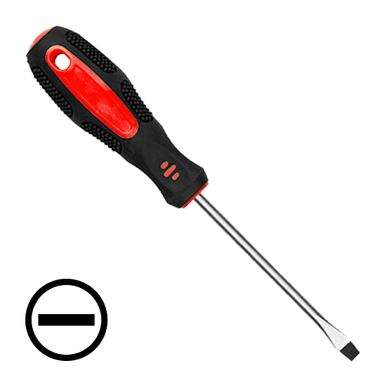
- 🛠️ Flathead screwdriver (medium size)
- 🛠️ Needle-nose pliers
- 🛠️ Battery terminal brush or wire brush
- 🛠️ Memory saver tool (OBD-II style) (specialty)
- 🛠️ Work gloves
- 🛠️ Safety glasses
- 🛠️ Shop towels or paper towels
🔩 Required Parts
HowToo sells all the parts you need for this repair:
- 🔩 12-volt battery (correct type for Escape with 2.0L turbo, SE) - Qty: 1
- 🔩 Battery terminal protector spray - Qty: 1
- 🔩 Anti-corrosion battery terminal pads - Qty: 1 set
- 🔩 Battery hold-down hardware kit - Qty: 1 (optional, if your old hardware is rusty or damaged)
📋 Before You Begin
- Park your Escape on a flat surface, shift to Park, and set the parking brake.
- Turn off the engine and remove the key or key fob from the vehicle.
- If you want to preserve radio presets and settings, plug a memory saver tool into the OBD-II port under the dash and connect it to a small backup power source before disconnecting the battery. A memory saver is a small device that keeps low power to the car’s electronics.
- Open the hood and secure it with the prop rod.
🔨 Step-by-Step Instructions
Follow these steps in order:
Step 1: Locate the battery and remove the cover
- Open the hood and stand at the front of your Escape; the battery is on the driver’s side near the firewall (back of the engine bay).
- Use your hands or a flathead screwdriver to gently release the clips on the plastic battery cover and lift it off.
- Set the cover aside where it won’t get stepped on.
Step 2: Identify positive and negative terminals
- Find the negative (–) terminal: usually has a black cable and may be marked “–” or “NEG”.
- Find the positive (+) terminal: usually has a red cover and may be marked “+” or “POS”.
- Double-check symbols before loosening anything.
Step 3: Disconnect the negative (–) battery terminal
- Use a 10mm socket and 3/8" drive ratchet to loosen the nut on the negative (black) battery clamp. A terminal clamp is the metal piece that grips the battery post.
- Once the nut is loose, gently twist the clamp side to side and lift it off the battery post. Use a flathead screwdriver if needed to gently pry the clamp open.
- Move the negative cable away from the battery and tuck it aside so it cannot spring back and touch the terminal.
Step 4: Disconnect the positive (+) battery terminal
- Flip open or slide back the red plastic cover on the positive terminal.
- Use a 10mm socket to loosen the nut on the positive battery clamp.
- Twist gently and lift the clamp off the positive post. Do not let your tool touch any metal body part and the other terminal at the same time.
- Move the positive cable away from the battery and secure it to the side.
Step 5: Remove the battery hold-down bracket
- Locate the metal or plastic hold-down bracket at the base of the battery (usually at the front lower edge).
- Use a 10mm socket, 3" extension, and ratchet to remove the hold-down bolt.
- Lift the hold-down bracket out and set it aside.
Step 6: Remove the old battery
- Grip the battery by the built-in handle if it has one. If not, carefully grab the sides.
- Lift the battery straight up and out of the tray. It is heavy, so lift with your legs, not your back.
- Set the old battery on the ground away from the car. Do not tip it over.
Step 7: Clean the battery tray and terminals
- Use shop towels to wipe any dirt, debris, or moisture from the battery tray.
- Inspect the tray and hold-down for rust or damage; replace hardware if badly corroded.
- Use a battery terminal brush or wire brush to clean the inside surfaces of both battery cable clamps until shiny metal shows.
- If there are any plastic harness clips around the area, use needle-nose pliers to gently reposition them as needed.
Step 8: Place the new battery in the tray
- Make sure the new battery matches the size and terminal layout of the old one.
- Carefully lower the new battery into the tray with the positive (+) and negative (–) posts in the same orientation as the original.
- Ensure the battery sits flat and snug in the tray.
Step 9: Reinstall the battery hold-down bracket
- Position the hold-down bracket against the base of the battery in its original location.
- Install the hold-down bolt by hand to avoid cross-threading.
- Use a 10mm socket, extension, and ratchet to tighten the bolt.
- Torque to 9 Nm (80 in-lbs). Snug, not extremely tight.
Step 10: Install anti-corrosion pads and protector (optional but recommended)
- Slide the anti-corrosion battery terminal pads over the battery posts: one for positive, one for negative.
- Lightly spray the posts with battery terminal protector spray if you’re using it. Avoid getting it on surrounding plastics.
Step 11: Reconnect the positive (+) terminal
- Place the positive cable clamp over the positive (+) battery post.
- Press it down until it sits fully on the post.
- Use a 10mm socket to tighten the clamp nut until the clamp does not move when you twist it by hand.
- Torque to 7–9 Nm (62–80 in-lbs). Firm, but do not overtighten.
- Close the red plastic cover over the positive terminal.
Step 12: Reconnect the negative (–) terminal
- Place the negative cable clamp over the negative (–) battery post.
- Press it down fully onto the post.
- Use a 10mm socket to tighten the clamp nut until the clamp is snug and does not rotate.
- Torque to 7–9 Nm (62–80 in-lbs).
Step 13: Reinstall the battery cover
- Position the battery cover over the battery.
- Snap the cover’s tabs back into place by hand until it is secure.
Step 14: Remove memory saver and check the area
- If you used a memory saver, unplug it from the OBD-II port and disconnect its power source.
- Make a final check that all tools are removed from the engine bay and that both terminals are tight with covers closed.
✅ After Repair
- Start your Escape and let it idle for a few minutes. Watch the instrument cluster for any warning lights.
- Turn the steering wheel fully left and right at low speed in a safe area; modern Fords may recalibrate steering angle automatically.
- Re-enter radio presets, clock, and any seat/mirror memory settings if they were lost.
- If any warning lights stay on (battery, power steering, ABS), turn the engine off and recheck your connections; if still present, have the system scanned.
💰 DIY vs Shop Cost
Shop Cost: $260–$380 (parts + labor)
DIY Cost: $140–$220 (parts only)
You Save: $120–$160 by doing it yourself!
Shop labor rates vary but typically run $100–$150/hour. This repair takes a shop approximately 0.3–0.5 hours.
🎯 Ready to get started?
HowToo makes it easy: same-day/2-day shipping on every part, plus all the tools and specialty tools you need! Check out the parts and tools sections above to add everything to your cart.
Guide for Vehicle Battery replace for these Ford vehicles
| Year Make Model | Sub Model | Engine | Body Style |
|---|---|---|---|
| 2025 Ford Escape | - | Inline 4 2.0L | - |
| 2025 Ford Escape | - | Inline 3 1.5L | - |
| 2024 Ford Escape | - | Inline 4 2.0L | - |
| 2024 Ford Escape | - | Inline 3 1.5L | - |
| 2023 Ford Escape | - | Inline 4 2.0L | - |
| 2023 Ford Escape | - | Inline 3 1.5L | - |
| 2022 Ford Escape | - | Inline 4 2.0L | - |
| 2022 Ford Escape | - | Inline 3 1.5L | - |
| 2021 Ford Escape | - | Inline 4 2.0L | - |
| 2021 Ford Escape | - | Inline 3 1.5L | - |
| 2020 Ford Escape | - | Inline 4 2.0L | - |
| 2020 Ford Escape | - | Inline 3 1.5L | - |
| 2019 Ford Escape | - | Inline 4 1.5L | - |
| 2019 Ford Escape | - | Inline 4 2.0L | - |
| 2018 Ford Escape | - | Inline 4 1.5L | - |
| 2018 Ford Escape | - | Inline 4 2.0L | - |
| 2017 Ford Escape | - | Inline 4 1.5L | - |
| 2017 Ford Escape | - | Inline 4 2.0L | - |