














How to Replace the 12V Battery on a 2016-2025 Honda Civic (Group 51R) (Trim: EX | Engine: Inline 4 2.0L)
Step-by-step DIY battery swap with tools list, safety tips, terminal cleaning, and 5 Nm torque specs
How to Replace the 12V Battery on a 2016-2025 Honda Civic (Group 51R) (Trim: EX | Engine: Inline 4 2.0L)
Step-by-step DIY battery swap with tools list, safety tips, terminal cleaning, and 5 Nm torque specs for 2016, 2017, 2018


🔧 Civic - 12V Battery Replacement
You’ll remove the old 12V battery from the engine bay and install a new one with clean, tight connections. A weak battery can cause slow cranking, warning lights, and weird electrical behavior, so a correct swap and clean terminals matter.
Difficulty Level: Beginner | Estimated Time: 0.5-1.0 hours
⚠️ Safety & Precautions
- ⚠️ Turn the ignition OFF and remove the key/fob from the car.
- ⚠️ Wear gloves and safety glasses; battery acid is corrosive.
- ⚠️ Always disconnect the negative (-) cable first, and reconnect it last to prevent accidental short circuits.
- ⚠️ Do not let a tool touch the battery positive (+) post and metal body parts at the same time.
- ⚠️ Keep flames/sparks away; batteries can vent flammable gas.
🔧 Required Tools
You'll need the following tools for this repair:
- 10mm socket
- 1/4" drive ratchet
- 6" extension (1/4" drive)
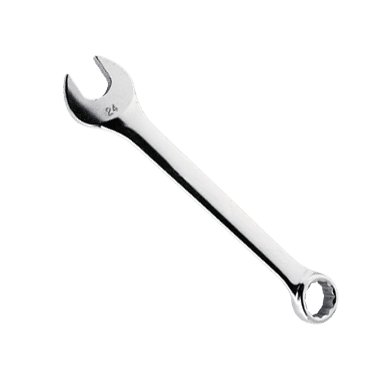
- 10mm combination wrench
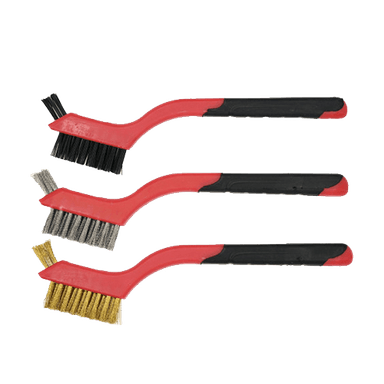
- Battery terminal brush (specialty)
- Digital multimeter
- Nitrile gloves
- Safety glasses
- Shop rags
🔩 Required Parts
HowToo sells all the parts you need for this repair:
- 12V battery (Group Size 51R) - Qty: 1
- Battery terminal anti-corrosion pads - Qty: 2
- Battery terminal protectant spray - Qty: 1
📋 Before You Begin
- 🔧 Park on level ground, shift to P, and set the parking brake.
- 🔧 Open the hood and let the engine bay cool if it’s hot.
- 🔧 Note: You may lose clock/radio settings; that’s normal after battery power is removed.
- 🔧 If you use a “memory saver,” it’s a small device that keeps power to settings while the battery is out.
🔨 Step-by-Step Instructions
Follow these steps in order:
Step 1: Locate the battery and identify the terminals
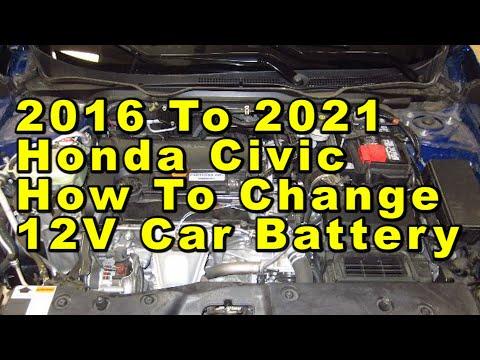
- 🔧 Open the hood and locate the battery in the engine bay.
- 🔧 Identify the negative (-) terminal (usually black cable) and the positive (+) terminal (often has a red cover).
Step 2: Disconnect the negative (-) battery cable
- 🔧 Use a 10mm socket with a 1/4" drive ratchet to loosen the negative terminal nut.
- 🔧 Wiggle and lift the terminal off the post, then tuck it aside so it can’t spring back.
- 🔧 Negative off first prevents accidental shorts.
Step 3: Disconnect the positive (+) battery cable
- 🔧 Flip open/remove the positive terminal cover if equipped.
- 🔧 Use a 10mm socket to loosen the positive terminal nut and remove the terminal from the post.
- 🔧 Move the cable aside so it cannot touch the battery post.
Step 4: Remove the battery hold-down
- 🔧 Use a 10mm socket, ratchet, and 6" extension to remove/loosen the hold-down hardware at the base/top (depending on the bracket style).
- 🔧 Lift the hold-down bracket off and set it aside.
Step 5: Remove the old battery
- 🔧 Carefully lift the battery straight up and out (it’s heavy).
- 🔧 Keep it upright to avoid any acid leakage.
Step 6: Clean the battery tray and cable terminals
- 🔧 Use shop rags to wipe dirt/corrosion from the tray.
- 🔧 Use a battery terminal brush (specialty) to clean the inside of each cable terminal until shiny metal shows.
- 🔧 A terminal brush is a stiff, round wire brush made to scrub battery connections.
Step 7: Install the new battery
- 🔧 Place the new Group 51R battery into the tray in the same orientation as the old one.
- 🔧 Reinstall the hold-down bracket and tighten using a 10mm socket.
- 🔧 Tighten firmly but do not crush the battery case.
Step 8: Reconnect the positive (+) cable first
- 🔧 Install an anti-corrosion pad on the positive post (if using).
- 🔧 Put the positive terminal onto the post and tighten using a 10mm socket.
- 🔧 Torque to 5 Nm (44 in-lbs) if you’re using a small torque wrench.
- 🔧 Refit the positive terminal cover.
Step 9: Reconnect the negative (-) cable last
- 🔧 Install an anti-corrosion pad on the negative post (if using).
- 🔧 Put the negative terminal onto the post and tighten using a 10mm socket.
- 🔧 Torque to 5 Nm (44 in-lbs) if you’re using a small torque wrench.
Step 10: Protect the terminals and quick-check your work
- 🔧 Lightly spray both terminals with battery terminal protectant spray.
- 🔧 Try to twist each terminal by hand—there should be no movement.
- 🔧 Use a digital multimeter to check battery voltage at the posts: around 12.6V engine OFF is typical for a fully charged new battery.
✅ After Repair
- ✅ Start the engine and confirm normal cranking and no warning lights staying on.
- ✅ Reset the clock and your radio presets if needed.
- ✅ Power window reset (if auto-up/down stops working): with the engine running, use the driver window switch to fully lower the window, then fully raise it and hold the switch up for ~2 seconds.
- ✅ Let the engine idle a few minutes with accessories OFF; the idle may stabilize after the power reset.
💰 DIY vs Shop Cost
Shop Cost: $220-$380 (parts + labor)
DIY Cost: $150-$280 (parts only)
You Save: $70-$100 by doing it yourself!
Shop labor rates vary but typically run $100-$150/hour. This repair takes a shop approximately 0.5-1.0 hours.
🎯 Ready to get started?
HowToo makes it easy: same-day/2-day shipping on every part, plus all the tools and specialty tools you need! Check out the parts and tools sections below to add everything to your cart.
Guide for Vehicle Battery replace for these Honda vehicles
| Year Make Model | Sub Model | Engine | Body Style |
|---|---|---|---|
| 2025 Honda Civic | Type R | Inline 4 2.0L | - |
| 2024 Honda Civic | LX | Inline 4 2.0L | - |
| 2024 Honda Civic | EX | Inline 4 1.5L | - |
| 2024 Honda Civic | Type R | Inline 4 2.0L | - |
| 2024 Honda Civic | Sport | Inline 4 2.0L | - |
| 2023 Honda Civic | LX | Inline 4 2.0L | - |
| 2023 Honda Civic | EX | Inline 4 1.5L | - |
| 2023 Honda Civic | Type R | Inline 4 2.0L | - |
| 2023 Honda Civic | Sport | Inline 4 2.0L | - |
| 2022 Honda Civic | LX | Inline 4 2.0L | - |
| 2022 Honda Civic | EX | Inline 4 1.5L | - |
| 2022 Honda Civic | Sport | Inline 4 2.0L | - |
| 2021 Honda Civic | LX | Inline 4 2.0L | - |
| 2021 Honda Civic | EX | Inline 4 1.5L | - |
| 2021 Honda Civic | LX | Inline 4 1.5L | - |
| 2021 Honda Civic | Sport | Inline 4 1.5L | - |
| 2021 Honda Civic | Type R | Inline 4 2.0L | - |
| 2021 Honda Civic | Sport | Inline 4 2.0L | - |
| 2021 Honda Civic | Type R Limited Edition | Inline 4 2.0L | - |
| 2020 Honda Civic | LX | Inline 4 2.0L | - |
| 2020 Honda Civic | EX | Inline 4 1.5L | - |
| 2020 Honda Civic | LX | Inline 4 1.5L | - |
| 2020 Honda Civic | Sport | Inline 4 1.5L | - |
| 2020 Honda Civic | Type R | Inline 4 2.0L | - |
| 2020 Honda Civic | Sport | Inline 4 2.0L | - |
| 2019 Honda Civic | LX | Inline 4 2.0L | - |
| 2019 Honda Civic | EX | Inline 4 1.5L | - |
| 2019 Honda Civic | LX | Inline 4 1.5L | - |
| 2019 Honda Civic | Sport | Inline 4 1.5L | - |
| 2019 Honda Civic | Type R | Inline 4 2.0L | - |
| 2019 Honda Civic | Sport | Inline 4 2.0L | - |
| 2018 Honda Civic | EX | Inline 4 2.0L | - |
| 2018 Honda Civic | LX | Inline 4 2.0L | - |
| 2018 Honda Civic | EX | Inline 4 1.5L | - |
| 2018 Honda Civic | LX | Inline 4 1.5L | - |
| 2018 Honda Civic | Sport | Inline 4 1.5L | - |
| 2018 Honda Civic | Type R | Inline 4 2.0L | - |
| 2017 Honda Civic | EX | Inline 4 2.0L | - |
| 2017 Honda Civic | LX | Inline 4 2.0L | - |
| 2017 Honda Civic | EX | Inline 4 1.5L | - |
| 2017 Honda Civic | LX | Inline 4 1.5L | - |
| 2017 Honda Civic | Sport | Inline 4 1.5L | - |
| 2017 Honda Civic | Type R | Inline 4 2.0L | - |
| 2016 Honda Civic | EX | Inline 4 2.0L | - |
| 2016 Honda Civic | LX | Inline 4 2.0L | - |