














How to Replace the 12V Battery on a 2014 Mazda CX-5 (Step-by-Step Guide)
Tools, parts, safety tips, and torque specs for disconnecting and installing a new battery correctly for 2013, 2014, 2015, 2016
How to Replace the 12V Battery on a 2014 Mazda CX-5 (Step-by-Step Guide)
Tools, parts, safety tips, and torque specs for disconnecting and installing a new battery correctly for 2013, 2014, 2015, 2016


🔧 CX-5 - 12V Battery Replacement
Your CX-5’s 12V battery sits in the engine bay and powers starting plus all electronics. Replacing it is mostly a “remove and reinstall” job, but polarity order (negative first/last) matters to avoid electrical damage.
Difficulty Level: Beginner | Estimated Time: 0.5-1.0 hours
⚠️ Safety & Precautions
- ⚠️ Turn ignition OFF, remove the key, and keep it away from the vehicle.
- ⚠️ Disconnect the negative (-) terminal first and reconnect it last.
- ⚠️ Do not let a tool touch the battery positive (+) and any metal body part at the same time.
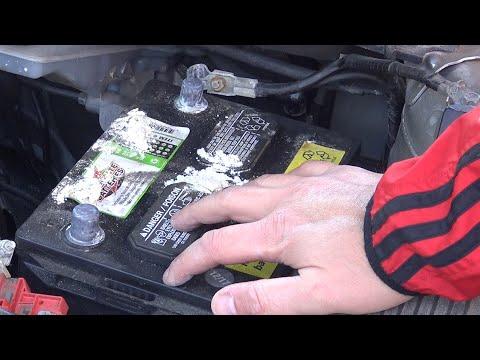
- ⚠️ Battery acid is corrosive—wear gloves and safety glasses.
- ✅ Battery disconnect is recommended/required for this job.
🔧 Required Tools
You'll need the following tools for this repair:
- 10mm socket
- 12mm socket
- 1/4" ratchet
- 3" extension for ratchet
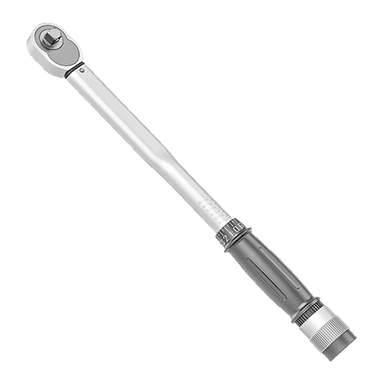
- Torque wrench (5-25 Nm range)
- Battery terminal puller (specialty)
- Wire brush
- Battery terminal cleaning tool
- Shop towels
- Nitrile gloves
- Safety glasses
🔩 Required Parts
HowToo sells all the parts you need for this repair:
- 12V battery (match the Group Size and CCA shown on your old battery label) - Qty: 1
- Battery terminal anti-corrosion spray or grease - Qty: 1
- Battery terminal felt washers - Qty: 2
📋 Before You Begin
- Park on level ground, shift to neutral, and set the parking brake.
- Open the hood and let the engine bay cool if it’s hot.
- Plan for basic resets after replacement (clock, radio presets, and power window auto-up).
- Tip: Take a quick photo of the terminals first.
🔨 Step-by-Step Instructions
Follow these steps in order:
Step 1: Locate the battery and identify terminals
- Find the battery in the engine bay.
- Identify negative (-) (usually black cable, marked “-”) and positive (+) (often under a red cover, marked “+”).
Step 2: Disconnect the negative (-) terminal
- Use a 10mm socket with a 1/4" ratchet to loosen the negative terminal clamp nut.
- Twist the clamp gently and lift it off the post.
- If it’s stuck, use a battery terminal puller (specialty) (a small tool that presses the clamp off without prying).
- Torque to 6-8 Nm (53-71 in-lbs) when reinstalling later.
Step 3: Disconnect the positive (+) terminal
- Use a 10mm socket to loosen the positive terminal clamp nut.
- Lift the clamp off and position it so it cannot spring back onto the battery.
- Torque to 6-8 Nm (53-71 in-lbs) when reinstalling later.
Step 4: Remove the battery hold-down
- Use a 12mm socket, ratchet, and 3" extension to remove the hold-down nuts/bolts.
- Remove the hold-down bracket and set it aside.
- Torque to 9-12 Nm (80-106 in-lbs) when reinstalling later.
Step 5: Remove the old battery
- Lift the battery straight up and out (it’s heavy—keep your back straight).
- Set it on the ground upright (do not tip it).
Step 6: Clean the tray and terminals
- Wipe the battery tray with shop towels.
- Clean the inside of both cable clamps using a battery terminal cleaning tool or wire brush.
- Install battery terminal felt washers if you’re using them.
Step 7: Install the new battery
- Place the new battery into the tray with the terminals oriented the same way as the old one.
- Reinstall the hold-down bracket using the 12mm socket.
- Torque to 9-12 Nm (80-106 in-lbs).
Step 8: Reconnect terminals (positive first, negative last)
- Reconnect the positive (+) clamp first using the 10mm socket.
- Torque to 6-8 Nm (53-71 in-lbs).
- Reconnect the negative (-) clamp last using the 10mm socket.
- Torque to 6-8 Nm (53-71 in-lbs).
- Apply a light coat of battery terminal anti-corrosion spray or grease.
- Tip: Clamps should not rotate by hand.
Step 9: Final check
- Make sure the battery is secure and does not move.
- Verify tools are removed from the engine bay.
✅ After Repair
- Start the engine and confirm normal cranking.
- Set the clock and re-save radio presets if needed.
- Power window re-learn (if auto-up/down stops working): with the engine running, use the driver window switch to fully lower, then fully raise and hold the switch up for 2-3 seconds.
- Check for battery warning lights; if one stays on, recheck terminal tightness and cleanliness.
💰 DIY vs Shop Cost
Shop Cost: $180-$350 (parts + labor)
DIY Cost: $120-$260 (parts only)
You Save: $60-$150 by doing it yourself!
Shop labor rates vary but typically run $100-$150/hour. This repair takes a shop approximately 0.5-1.0 hours.
🎯 Ready to get started?
HowToo makes it easy: same-day/2-day shipping on every part, plus all the tools and specialty tools you need! Check out the parts and tools sections below to add everything to your cart.