









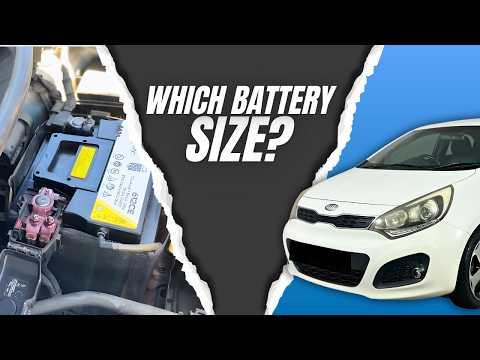





How to Replace the 12V Battery on a 2013-2017 Kia Rio (Step-by-Step DIY Guide) (Engine: Inline 4 1.6L)
Tools, parts, safety tips, terminal cleaning, and torque specs for clamps and hold-down bracket
How to Replace the 12V Battery on a 2013-2017 Kia Rio (Step-by-Step DIY Guide) (Engine: Inline 4 1.6L)
Tools, parts, safety tips, terminal cleaning, and torque specs for clamps and hold-down bracket for 2013, 2014, 2015, 2016, 2017


🔧 Rio - 12V Battery Replacement
Your Rio’s 12V battery provides power for starting and for all the electronics. Replacing it is mainly about removing the old battery safely, installing the correct new one, and making sure the terminals are tight and clean.
Difficulty Level: Beginner | Estimated Time: 0.5-1.0 hours
⚠️ Safety & Precautions
- ⚠️ Keep sparks/flames away—battery gas can ignite.
- ⚠️ Wear eye protection and gloves—battery acid is corrosive.
- ⚠️ Disconnect the negative (-) terminal first to reduce short-circuit risk.
- ⚠️ Never let a tool touch the battery positive (+) and metal body parts at the same time.
- ⚠️ Battery is heavy—lift with both hands and keep it upright.
🔧 Required Tools
You'll need the following tools for this repair:
- 10mm socket
- 12mm socket
- 3/8" drive ratchet
- 6" extension for ratchet
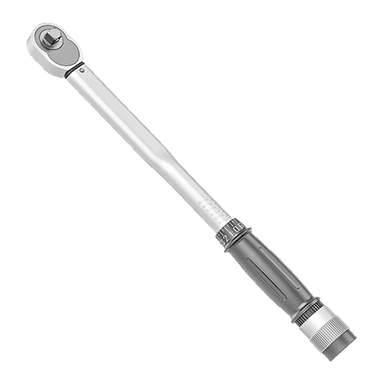
- Torque wrench (3/8" drive, 5-30 ft-lbs range)
- Battery terminal puller (specialty)
- Battery terminal cleaning brush
- Baking soda
- Clean water in spray bottle
- Shop towels
- Nitrile gloves
- Safety glasses
🔩 Required Parts
HowToo sells all the parts you need for this repair:
- 12V car battery (correct group size for Rio) - Qty: 1
- Battery terminal anti-corrosion pads - Qty: 2
- Battery terminal protectant spray - Qty: 1
📋 Before You Begin
- 🅿️ Park on level ground, shift to neutral, set the parking brake, and turn the ignition OFF.
- 🔑 Remove the key and keep it away from the car.
- 🧠 Be aware: you may lose radio presets and the clock time when the battery is disconnected.
- 🧼 If you see white/blue crust on terminals, plan to clean it before installing the new battery.
🔨 Step-by-Step Instructions
Follow these steps in order:
Step 1: Open the hood and locate the battery
- The battery is in the engine bay. Identify the negative (-) terminal (usually black) and positive (+) terminal (often under a red cover).
- Put on nitrile gloves and safety glasses.
Step 2: Disconnect the negative (-) battery terminal
- Use a 10mm socket with a ratchet to loosen the negative terminal clamp nut.
- Twist the clamp gently and lift it off the battery post.
- Tip: Tuck the cable aside so it can’t spring back.
- If it’s stuck, use a battery terminal puller (specialty). (This tool presses the clamp off without prying.)
Step 3: Disconnect the positive (+) battery terminal
- If equipped, open the cover over the positive terminal.
- Use a 10mm socket with a ratchet to loosen the positive terminal clamp nut.
- Lift the clamp off the post and position it so it cannot touch metal parts.
Step 4: Remove the battery hold-down bracket
- Use a 12mm socket, ratchet, and 6" extension to remove the hold-down bolt(s) and bracket at the base of the battery.
- Set the bracket and hardware aside in a safe spot.
Step 5: Remove the old battery
- Lift the battery straight up and out using both hands.
- Keep it upright to avoid leaking.
- Place it on the ground away from children/pets.
Step 6: Clean the tray and terminal clamps (if needed)
- If there is corrosion (white/blue crust), sprinkle a little baking soda on it.
- Lightly spray clean water in spray bottle to neutralize it (it may fizz).
- Wipe clean with shop towels.
- Clean the inside of the cable clamps using a battery terminal cleaning brush.
- Tip: Clean metal-to-metal contact helps starting.
Step 7: Install the new battery
- Set the new battery into the tray in the same orientation as the old one.
- Make sure it sits fully down and flat.
Step 8: Reinstall and tighten the hold-down bracket
- Reinstall the hold-down bracket using the 12mm socket, ratchet, and 6" extension.
- Tighten with a torque wrench: Torque to 18 Nm (13 ft-lbs).
- Tip: Snug is good—don’t crush the battery case.
Step 9: Reconnect the positive (+) terminal first
- Install anti-corrosion pad (if using) onto the positive post.
- Push the positive clamp fully down onto the positive post.
- Tighten using a 10mm socket and torque wrench: Torque to 6 Nm (53 in-lbs).
- Re-close the positive terminal cover (if equipped).
Step 10: Reconnect the negative (-) terminal
- Install anti-corrosion pad (if using) onto the negative post.
- Push the negative clamp fully down onto the negative post.
- Tighten using a 10mm socket and torque wrench: Torque to 6 Nm (53 in-lbs).
Step 11: Protect the terminals
- Apply battery terminal protectant spray lightly around the clamps/posts (follow product directions).
- Wipe any overspray with shop towels.
✅ After Repair
- 🔎 Check the battery is secure: try to move it by hand—there should be minimal movement.
- 🚗 Start the engine. If it cranks slowly, recheck terminal tightness and cleanliness.
- 🕒 Reset the clock and radio presets if needed.
- 💡 If any warning lights appear, shut off and recheck connections; most will clear after a short drive if connections are correct.
💰 DIY vs Shop Cost
Shop Cost: $180-$350 (parts + labor)
DIY Cost: $120-$250 (parts only)
You Save: $60-$150 by doing it yourself!
Shop labor rates vary but typically run $100-$150/hour. This repair takes a shop approximately 0.5-1.0 hours.
🎯 Ready to get started?
HowToo makes it easy: same-day/2-day shipping on every part, plus all the tools and specialty tools you need! Check out the parts and tools sections below to add everything to your cart.
Assumption: Torque values shown are typical for Rio battery clamps/hold-down; if your hardware differs, tighten securely without stripping.
Guide for Vehicle Battery replace for these Kia vehicles
| Year Make Model | Sub Model | Engine | Body Style |
|---|---|---|---|
| 2017 Kia Rio | - | Inline 4 1.6L | - |
| 2016 Kia Rio | - | Inline 4 1.6L | - |
| 2015 Kia Rio | - | Inline 4 1.6L | - |
| 2014 Kia Rio | - | Inline 4 1.6L | - |
| 2013 Kia Rio | - | Inline 4 1.6L | - |