














How to Replace the 12V Auxiliary Battery on a 2019-2022 Honda Insight (Step-by-Step) (Engine: Inline 4 1.5L)
Tools, parts list, safety tips, and key torque specs for a quick under-hood battery swap
How to Replace the 12V Auxiliary Battery on a 2019-2022 Honda Insight (Step-by-Step) (Engine: Inline 4 1.5L)
Tools, parts list, safety tips, and key torque specs for a quick under-hood battery swap for 2019, 2020, 2021, 2022


🔧 Insight - 12V Auxiliary Battery Replacement
On your Insight, the 12V battery powers accessories and “boots up” the hybrid system computers so the car can go to READY. Replacing it is a straightforward under-hood job, but you need to protect the electronics and keep the battery secured correctly.
Difficulty Level: Beginner | Estimated Time: 0.5-1.0 hours
⚠️ Safety & Precautions
- ⚠️ Turn the car fully OFF and keep the key fob at least 10 ft away.
- ⚠️ Do not touch orange cables or hybrid components; those are high-voltage.
- ⚠️ Wear eye protection and gloves; batteries can vent acid/corrosive gas.
- ⚠️ Disconnect the negative terminal first and reconnect it last to reduce short-circuit risk.
- ⚠️ If you use a memory saver, connect it before disconnecting the battery.
🔧 Required Tools
You'll need the following tools for this repair:
- 10mm socket
- 1/4" ratchet
- 6" extension for 1/4" ratchet
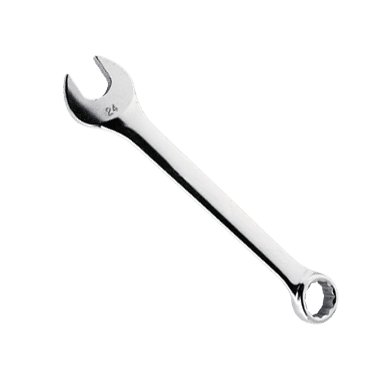
- 10mm combination wrench
- Battery terminal puller (specialty)
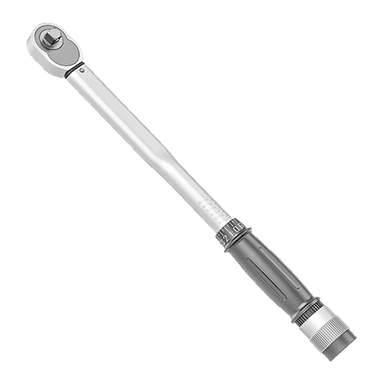
- Torque wrench (inch-pound)
- Nitrile gloves
- Safety glasses
- Fender cover
- Battery memory saver (12V OBD-II) (specialty)
🔩 Required Parts
HowToo sells all the parts you need for this repair:
- 12V auxiliary battery (correct group size for Insight) - Qty: 1
- Battery terminal anti-corrosion felt washers - Qty: 2
- Battery terminal protectant spray - Qty: 1
📋 Before You Begin
- Park on level ground, shift to Park, and set the parking brake.
- Make sure the car is OFF (not in READY) and all lights/accessories are OFF.
- If you want to keep radio presets/settings, connect a battery memory saver (12V OBD-II) to the OBD port under the dash before disconnecting the battery.
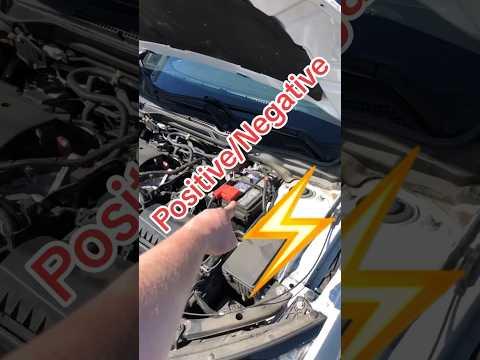
- Open the hood and locate the 12V battery in the engine bay.
🔨 Step-by-Step Instructions
Follow these steps in order:
Step 1: Power down and access the battery
- Verify the car is OFF and the key fob is away from the vehicle.
- Use safety glasses and nitrile gloves.
- Lay a fender cover over the fender edge near the battery.
Step 2: Disconnect the negative (–) terminal
- Locate the negative terminal (usually marked “–” and connected to a black cable).
- Use a 10mm wrench to loosen the negative terminal clamp nut.
- Wiggle the clamp up and off the post; if stuck, use a battery terminal puller (specialty).
- Tuck the negative cable aside so it cannot spring back to the battery.
- Negative off first prevents accidental shorts.
Step 3: Disconnect the positive (+) terminal
- Locate the positive terminal (usually marked “+” and may have a red cover).
- Open the cover if equipped.
- Use a 10mm wrench to loosen the positive terminal clamp nut.
- Remove the positive clamp and move it aside without letting it touch metal.
Step 4: Remove the battery hold-down
- Remove the battery tie-down/hold-down hardware using a 10mm socket, 1/4" ratchet, and 6" extension.
- Lift the hold-down bracket off and set it aside.
Step 5: Remove the old battery
- Lift the battery straight up and out carefully; keep it level.
- Place it on the ground upright.
Step 6: Install the new battery
- Set the new battery into the tray in the same orientation as the old one (terminals in the same positions).
- Install the hold-down bracket and start the fasteners by hand.
- Tighten the hold-down using the 10mm socket and ratchet.
- Use an inch-pound torque wrench to snug the hold-down evenly: Torque to 44 in-lbs (5 N·m).
- The battery must not move in the tray.
Step 7: Reconnect the positive (+) terminal
- Install a battery terminal anti-corrosion felt washer on the positive post.
- Push the positive clamp down fully on the post.
- Use a 10mm wrench to tighten the clamp nut: Torque to 44 in-lbs (5 N·m).
- Close the positive terminal cover if equipped.
Step 8: Reconnect the negative (–) terminal
- Install the other battery terminal anti-corrosion felt washer on the negative post.
- Push the negative clamp down fully on the post.
- Use a 10mm wrench to tighten the clamp nut: Torque to 44 in-lbs (5 N·m).
Step 9: Protect the terminals
- Lightly spray both terminals with battery terminal protectant spray.
- Do not over-spray onto painted areas; wipe any excess.
✅ After Repair
- Start the car and confirm it goes to READY normally.
- Check that there are no warning messages related to low voltage.
- Reset the clock and re-save radio presets if they were lost.
- With the car running, verify charging voltage is roughly 13.5-14.8V at the battery with a meter if available.
- Take the old battery to a parts store for proper recycling and core return.
💰 DIY vs Shop Cost
Shop Cost: $220-$380 (parts + labor)
DIY Cost: $140-$260 (parts only)
You Save: $80-$120 by doing it yourself!
Shop labor rates vary but typically run $100-$150/hour. This repair takes a shop approximately 0.5-1.0 hours.
🎯 Ready to get started?
HowToo makes it easy: same-day/2-day shipping on every part, plus all the tools and specialty tools you need! Check out the parts and tools sections below to add everything to your cart.