














How to Replace the 12V AGM Battery on a 2015-2020 Mercedes-Benz GLA250 (Engine: Inline 4 2.0L)
Step-by-step passenger footwell battery swap with tools list, safety tips, and torque specs
How to Replace the 12V AGM Battery on a 2015-2020 Mercedes-Benz GLA250 (Engine: Inline 4 2.0L)
Step-by-step passenger footwell battery swap with tools list, safety tips, and torque specs for 2015, 2016, 2017, 2018, 2019, 2020


🔧 GLA - 12V Battery Replacement
Replacing the 12V battery restores reliable starting and prevents low-voltage faults. On your GLA, the main battery is mounted in the front passenger footwell area behind trim covers, and it’s heavy and vented, so install it carefully.
Difficulty Level: Intermediate | Estimated Time: 0.8-1.5 hours
Assumption: your GLA uses the main 12V battery in the passenger footwell (common on this model).
⚠️ Safety & Precautions
- ⚠️ Keep the key fob at least 15 ft away so modules go to sleep.
- ⚠️ Turn ignition OFF and remove key; wait 5-10 minutes before disconnecting the battery.
- ⚠️ Disconnect the negative terminal first to reduce short-circuit risk.
- ⚠️ Do not let tools bridge battery terminals or touch body metal and the positive post.
- ⚠️ Batteries can vent gas; no smoking/sparks; work in a ventilated area.
- ⚠️ The battery is heavy; lift with both hands and a straight back.
🔧 Required Tools
You'll need the following tools for this repair:
- 10mm socket
- 13mm socket
- Ratchet (3/8" drive)
- 3" extension (3/8" drive)
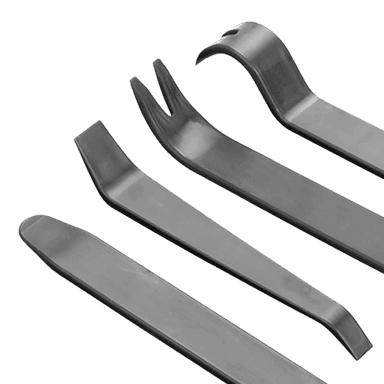
- Trim removal tool
- Torque wrench (3/8" drive)
- Work light
- Nitrile gloves
- Safety glasses
- Battery terminal cleaning brush
- Memory saver (OBD-II) (specialty)
- Mercedes-capable scan tool (specialty)
🔩 Required Parts
HowToo sells all the parts you need for this repair:
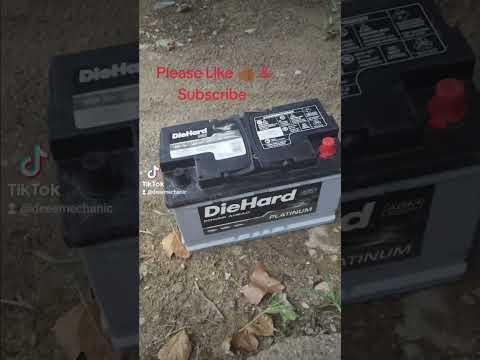
- 12V main battery (AGM, correct OE fitment for GLA) - Qty: 1
- Battery vent tube elbow/adapter (if damaged or missing) - Qty: 1
- Battery terminal protectant - Qty: 1
📋 Before You Begin
- Park on level ground, shift to Park, and set the parking brake.
- Open the passenger door and move the passenger seat back to make room.
- If using a memory saver (OBD-II) (specialty), plug it into the OBD port before disconnecting the battery (it helps preserve radio presets and some settings).
- A trim removal tool is a plastic pry tool that pops panels without scratching them.
🔨 Step-by-Step Instructions
Follow these steps in order:
Step 1: Access the battery in the passenger footwell
- Slide the passenger seat rearward for working space.
- Remove the passenger floor mat.
- Use a trim removal tool to carefully release the footwell trim/cover panels over the battery (work slowly so clips don’t snap).
- Use a work light to clearly see the battery terminals and hold-down hardware.
Step 2: Disconnect the negative (ground) terminal
- Put on nitrile gloves and safety glasses.
- Use a 10mm socket with a ratchet (3/8" drive) to loosen the negative terminal clamp (marked “-” or black cable).
- Lift the negative clamp off the battery post and position it so it cannot spring back onto the post.
- Tip: tuck the cable aside safely.
Step 3: Disconnect the positive terminal
- Use a 10mm socket to loosen the positive terminal clamp (marked “+” or red cover).
- Remove the positive clamp and protect it from touching metal parts.
Step 4: Disconnect the battery vent tube
- Locate the small vent tube on the side/top edge of the battery.
- Pull it straight out by hand; if tight, gently wiggle it (do not crush the tube).
- This tube routes battery vapors outside the cabin—reinstalling it is important.
Step 5: Remove the battery hold-down
- Use a 13mm socket with a 3" extension (3/8" drive) and ratchet (3/8" drive) to remove the battery hold-down bolt and clamp at the base.
- Set the clamp and bolt aside where they won’t get lost.
Step 6: Remove the old battery
- Lift the battery straight up and out (it’s heavy; use two hands).
- Keep it upright to avoid any acid residue issues (even AGM batteries should be handled carefully).
Step 7: Clean and prep the connections
- Use a battery terminal cleaning brush to clean corrosion from the terminal clamps if needed.
- Apply a light coat of battery terminal protectant to help prevent future corrosion.
Step 8: Install the new battery and secure it
- Place the new AGM battery into the tray in the same orientation as the original.
- Reinstall the hold-down clamp and bolt using a 13mm socket and ratchet (3/8" drive).
- Tighten with a torque wrench (3/8" drive): Torque to 20 Nm (15 ft-lbs).
- Reconnect the vent tube firmly; replace the vent elbow if it won’t stay seated.
Step 9: Reconnect terminals (positive first, negative last)
- Install the positive clamp first and tighten using a 10mm socket: Torque to 6 Nm (53 in-lbs).
- Install the negative clamp last and tighten using a 10mm socket: Torque to 6 Nm (53 in-lbs).
- Do a gentle hand-check that both clamps are fully seated and cannot rotate.
Step 10: Reinstall trims
- Reinstall the battery covers/footwell trim using the trim removal tool to align clips and press them into place.
- Reinstall the floor mat.
✅ After Repair
- Start the engine and confirm normal cranking and no warning messages.
- If you have a Mercedes-capable scan tool (specialty), perform the battery replacement/adaptation reset (this tells the charging system a new battery is installed).
- Reset one-touch windows if needed: with engine running, close each window fully and hold the switch up for 5 seconds.
- Check that the clock, radio presets, and auto-up/down windows work as expected.
💰 DIY vs Shop Cost
Shop Cost: $350-$650 (parts + labor)
DIY Cost: $180-$350 (parts only)
You Save: $170-$300 by doing it yourself!
Shop labor rates vary but typically run $100-$150/hour. This repair takes a shop approximately 1.0-1.5 hours.
🎯 Ready to get started?
HowToo makes it easy: same-day/2-day shipping on every part, plus all the tools and specialty tools you need! Check out the parts and tools sections below to add everything to your cart.