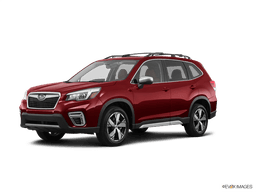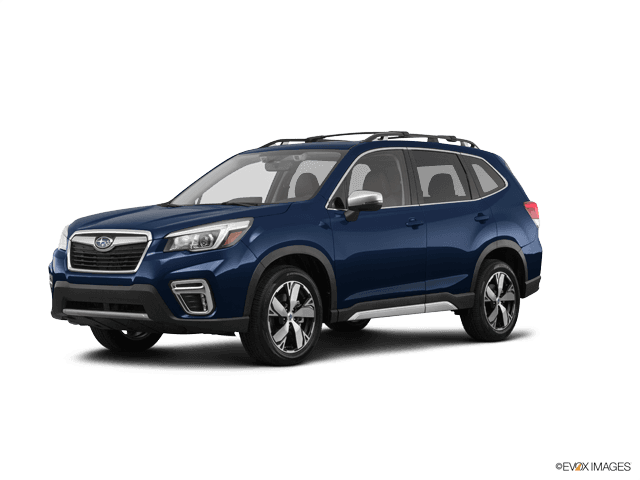









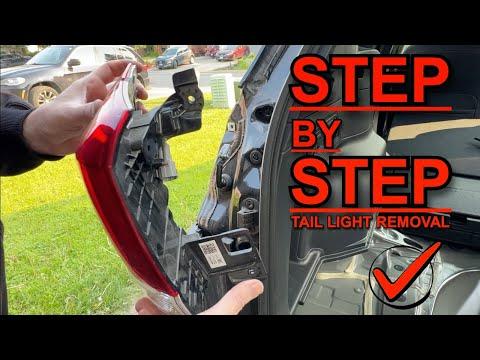





How to Replace Taillight Bulbs on a 2019-2024 Subaru Forester (Turn Signal & Reverse) (Trim: Touring | Body: Sport Utility)
Step-by-step bulb access for body and liftgate lamps, plus tools, parts, and LED tail/brake assembly notes
How to Replace Taillight Bulbs on a 2019-2024 Subaru Forester (Turn Signal & Reverse) (Trim: Touring | Body: Sport Utility)
Step-by-step bulb access for body and liftgate lamps, plus tools, parts, and LED tail/brake assembly notes for 2019, 2020, 2021, 2022, 2023, 2024


🔧 Forester - Taillight Bulb Replacement
On your Forester, the “taillight” area can include multiple light functions (tail/brake, turn signal, reverse). Some of these are LED and not a replaceable “bulb,” while others use a twist-out bulb socket you can replace from inside the cargo area.
Quick questions (pick the one that matches): (1) Which light is out—turn signal, reverse, or tail/brake? (2) Is the dead bulb in the outer lamp on the body or the lamp on the liftgate?
Difficulty Level: Beginner | Estimated Time: 0.5-1.0 hours
⚠️ Safety & Precautions
- ⚠️ Turn the lights OFF and remove the key/fob from the vehicle area before starting.
- ⚠️ Let bulbs cool before touching; hot glass can burn you.
- ⚠️ Don’t touch a new bulb’s glass with bare fingers (skin oils can shorten bulb life).
- ⚠️ If your tail/brake light is LED and out, it may require a lamp assembly replacement (no “bulb” to swap).
🔧 Required Tools
You'll need the following tools for this repair:
- Nitrile gloves
- Safety glasses
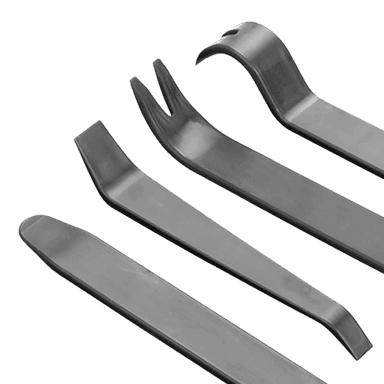
- Plastic trim removal tool
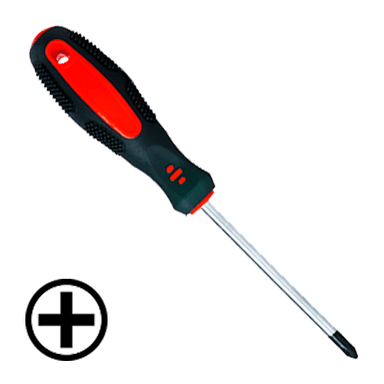
- Phillips screwdriver
- 10mm socket
- 1/4" ratchet
- Small flat-blade screwdriver
- Flashlight
- Torque wrench (inch-pound or low-range)
🔩 Required Parts
HowToo sells all the parts you need for this repair:
- Rear turn signal bulb (left and right) - Qty: 2
- Reverse light bulb (left and right) - Qty: 2
- Rear combination lamp assembly (only if tail/brake LED is failed) - Qty: 1-2
📋 Before You Begin
- Park on level ground and make sure the vehicle is in P.
- Open the liftgate and set your cargo items aside.
- Have your replacement bulbs ready, and confirm you’re replacing the correct function (turn vs reverse).
- Trim tool = plastic pry tool to pop clips.
🔨 Step-by-Step Instructions
Follow these steps in order:
Step 1: Confirm which bulb you’re replacing
- Have a helper use the controls: parking lights ON (tail), brake pedal (brake), hazards (turn), and shift to R with ignition ON (reverse).
- Use a flashlight to identify which side and which lamp section is not lighting.
- If the dead light is the red tail/brake strip and it’s LED, skip to Step 8 (assembly note).
Step 2: Access the outer taillight bulb area (body-mounted lamp)
- Inside the cargo area, go to the side with the failed bulb.
- Use a plastic trim removal tool to pop open/remove the small access cover behind the taillight.
- If a retaining clip is stubborn, use a small flat-blade screwdriver gently to start it, then switch back to the trim tool.
Step 3: Remove the bulb socket (outer lamp)
- Reach through the access opening and locate the bulb socket for the failed function.
- Twist the socket counterclockwise by hand and pull it straight out.
- If tight, use nitrile gloves for better grip (do not use pliers; they can crack the socket).
Step 4: Replace the bulb (outer lamp)
- Pull the old bulb straight out of the socket (most are a straight pull).
- Install the new bulb by pushing it straight into the socket until fully seated.
- Do not touch the bulb glass; use nitrile gloves.
Step 5: Reinstall the bulb socket and test (outer lamp)
- Reinsert the socket into the lamp and twist clockwise until it locks.
- Test the light function before reinstalling the access cover.
- Reinstall the access cover by pressing it back into place.
Step 6: Access the liftgate lamp bulb area (if your reverse lights are in the liftgate)
- With the liftgate open, inspect the lamp area on the liftgate (inner lamps).
- If there’s an access panel on the liftgate trim, use a plastic trim removal tool to open it.
- If there’s no access panel, you may need to remove a portion of the liftgate trim using a Phillips screwdriver and plastic trim removal tool.
Step 7: Replace the bulb (liftgate lamp)
- Twist the bulb socket counterclockwise by hand and remove it.
- Pull the old bulb out, install the new bulb, then reinstall the socket and twist clockwise to lock.
- Test reverse lights (ignition ON, shift to R) with a helper watching behind the vehicle.
Step 8: If your tail/brake “bulb” is LED (not serviceable)
- If the tail/brake LED section is out, the fix is typically replacing the lamp assembly (not a bulb swap).
- From inside the cargo area, remove the access cover (use plastic trim removal tool).
- Disconnect the electrical connector by pressing the tab (use small flat-blade screwdriver only if needed).
- Remove the lamp retaining nuts with a 10mm socket and 1/4" ratchet.
- Pull the lamp straight rearward to release the alignment pins (wiggle gently; don’t pry on painted surfaces).
- Install the new lamp, then Torque to 5 Nm (44 in-lbs) using a torque wrench.
✅ After Repair
- Verify all rear lights: tail, brake, hazards/turn, and reverse.
- Make sure all access covers/trim pieces are fully clipped in (no rattles).
- If a new bulb still doesn’t work, swap it to the other side to confirm bulb vs socket/wiring issue.
💰 DIY vs Shop Cost
Shop Cost: $80-$220 (parts + labor)
DIY Cost: $10-$60 (parts only)
You Save: $70-$160 by doing it yourself!
Shop labor rates vary but typically run $100-$150/hour. This repair takes a shop approximately 0.5-1.0 hours.
🎯 Ready to get started?
HowToo makes it easy: same-day/2-day shipping on every part, plus all the tools and specialty tools you need! Check out the parts and tools sections below to add everything to your cart.
Guide for Turn Signal / Parking Light Bulb replace for these Subaru vehicles
| Year Make Model | Sub Model | Engine | Body Style |
|---|---|---|---|
| 2024 Subaru Forester | Base | - | Sport Utility |
| 2024 Subaru Forester | Limited | - | Sport Utility |
| 2024 Subaru Forester | Premium | - | Sport Utility |
| 2024 Subaru Forester | Sport | - | Sport Utility |
| 2024 Subaru Forester | Touring | - | Sport Utility |
| 2024 Subaru Forester | Wilderness | - | Sport Utility |
| 2023 Subaru Forester | Base | - | Sport Utility |
| 2023 Subaru Forester | Limited | - | Sport Utility |
| 2023 Subaru Forester | Premium | - | Sport Utility |
| 2023 Subaru Forester | Sport | - | Sport Utility |
| 2023 Subaru Forester | Touring | - | Sport Utility |
| 2023 Subaru Forester | Wilderness | - | Sport Utility |
| 2022 Subaru Forester | Base | - | Sport Utility |
| 2022 Subaru Forester | Limited | - | Sport Utility |
| 2022 Subaru Forester | Premium | - | Sport Utility |
| 2022 Subaru Forester | Sport | - | Sport Utility |
| 2022 Subaru Forester | Touring | - | Sport Utility |
| 2022 Subaru Forester | Wilderness | - | Sport Utility |
| 2021 Subaru Forester | Base | - | Sport Utility |
| 2021 Subaru Forester | Limited | - | Sport Utility |
| 2021 Subaru Forester | Premium | - | Sport Utility |
| 2021 Subaru Forester | Sport | - | Sport Utility |
| 2021 Subaru Forester | Touring | - | Sport Utility |
| 2020 Subaru Forester | Base | - | Sport Utility |
| 2020 Subaru Forester | Limited | - | Sport Utility |
| 2020 Subaru Forester | Premium | - | Sport Utility |
| 2020 Subaru Forester | Sport | - | Sport Utility |
| 2020 Subaru Forester | Touring | - | Sport Utility |
| 2019 Subaru Forester | Base | - | Sport Utility |
| 2019 Subaru Forester | Limited | - | Sport Utility |
| 2019 Subaru Forester | Premium | - | Sport Utility |
| 2019 Subaru Forester | Sport | - | Sport Utility |
| 2019 Subaru Forester | Touring | - | Sport Utility |