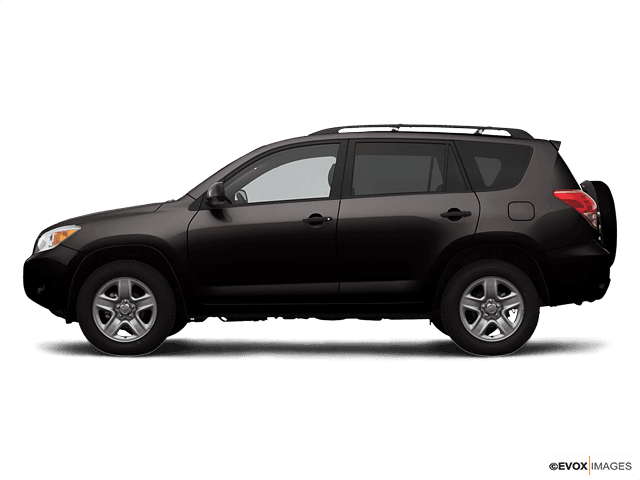














How to Replace Taillight Bulbs and Front Struts on a 2006-2012 Toyota RAV4
Step-by-step DIY guide with tools, parts, safety tips, and key torque specs for a successful repair
How to Replace Taillight Bulbs and Front Struts on a 2006-2012 Toyota RAV4
Step-by-step DIY guide with tools, parts, safety tips, and key torque specs for a successful repair for 2006, 2007, 2008, 2009, 2010, 2011, 2012


🔧 RAV4 - Taillight Bulb Replacement
You’ll remove each outer taillight housing from the body, twist out the bulb socket, and swap the bulb. Doing it this way prevents broken clips and makes the bulb easy to reach.
Difficulty Level: Beginner | Estimated Time: 0.5-1.0 hours
Quick question (so I can match the exact bulb positions): Are you replacing the brake/taillight (red) bulbs on both sides, or the turn signal or reverse bulbs?
⚠️ Safety & Precautions
- 🛑 Turn the lights OFF and remove the key before starting.
- 🔥 If the bulbs were recently on, let them cool for 5-10 minutes.
- 🧤 Avoid touching the glass part of the new bulb with bare fingers (skin oil can shorten bulb life).
- ✅ Battery disconnect is not required for this job.
🔧 Required Tools
You'll need the following tools for this repair:
- 10mm socket
- 1/4" drive ratchet
- 6" socket extension
- Inch-pound torque wrench (specialty)
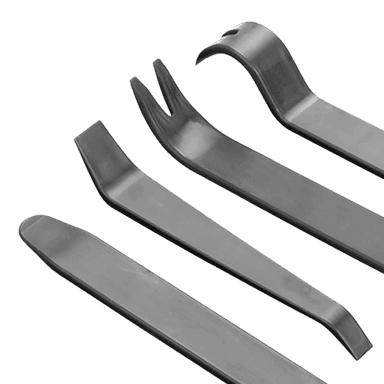
- Plastic trim tool
- Nitrile gloves
- Safety glasses
🔩 Required Parts
HowToo sells all the parts you need for this repair:
- Rear brake/taillight bulbs - Replace in pairs - Qty: 2
- Rear turn signal bulbs - If applicable - Replace in pairs - Qty: 2
- Rear reverse light bulbs - If applicable - Replace in pairs - Qty: 2
📋 Before You Begin
- Park on level ground and set the parking brake.
- Open the liftgate for access to the taillight mounting bolts.
- Lay a towel on the bumper corner under the taillight area to protect paint if the housing slips.
🔨 Step-by-Step Instructions
Follow these steps in order:
Step 1: Remove the taillight mounting bolts
- Open the liftgate and locate the two 10mm bolts on the inboard edge of the taillight.
- Use a 10mm socket, ratchet, and extension to remove both bolts.
Step 2: Pull the taillight housing free
- Grip the housing with both hands and pull it straight outward from the body.
- If it’s stuck, use a plastic trim tool to gently start the separation at the seam, then keep pulling straight out.
- Pull straight out to avoid breaking pins.
Step 3: Remove the bulb socket
- On the back of the housing, find the socket for the bulb you’re replacing.
- Twist the socket counterclockwise about 1/4 turn, then pull it out.
- If you’re unsure which one it is, have a helper press the brake (for brake light) while you look from behind before removing anything.
Step 4: Replace the bulb
- Pull the old bulb straight out of the socket.
- Install the new bulb by pushing it straight in until fully seated.
- Wear nitrile gloves to keep skin oil off the bulb glass.
Step 5: Reinstall the socket and test
- Insert the socket back into the housing and twist clockwise to lock it.
- Before reinstalling the housing, turn the lights on and test the function (parking lights, brake lights, turn signals, or reverse).
Step 6: Reinstall the taillight housing
- Line up the housing’s guide pins with the body grommets and press the housing straight in until it sits flush.
- Reinstall both bolts using the 10mm socket, ratchet, and extension.
- Use an inch-pound torque wrench (a small torque wrench for low torque fasteners) and Torque to 5.4 Nm (48 in-lbs).
Step 7: Repeat on the other side
- Repeat Steps 1-6 for the opposite taillight.
✅ After Repair
- Test all rear lighting: parking lights, brake lights, turn signals, and reverse lights.
- Confirm both housings sit flush and don’t wobble.
- If a bulb doesn’t work, remove it and rotate/reseat it, then re-test.
💰 DIY vs Shop Cost
Shop Cost: $80-$180 (parts + labor)
DIY Cost: $10-$40 (parts only)
You Save: $70-$140 by doing it yourself!
Shop labor rates vary but typically run $100-$150/hour. This repair takes a shop approximately 0.5-1.0 hours.
🎯 Ready to get started?
HowToo makes it easy: same-day/2-day shipping on every part, plus all the tools and specialty tools you need! Check out the parts and tools sections below to add everything to your cart.
🔧 RAV4 - Strut Replacement
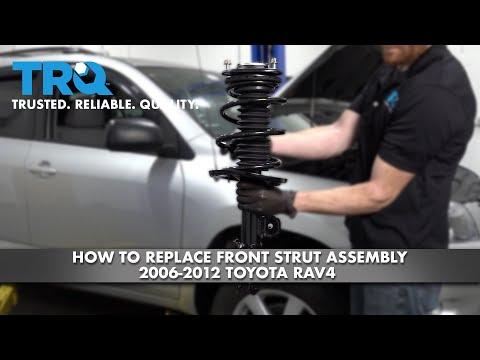
On your RAV4, the front uses strut assemblies (spring + strut together), and the rear uses separate shock absorbers (most people still call them “rear struts”). Replacing worn struts/shocks restores ride control, braking stability, and tire wear.
Difficulty Level: Advanced | Estimated Time: Front: 3-5 hours | Rear: 1-2 hours
2 quick questions before you buy parts: Are you replacing front only, rear only, or all four? And are you installing complete front strut assemblies (quick-struts) or reusing your springs (requires a spring compressor)?
⚠️ Safety & Precautions
- ⚠️ If reusing springs: a spring compressor is dangerous if misused (the coil spring stores a lot of energy). If you’re new, use complete quick-strut assemblies for the front.
- 🛑 Support the vehicle with jack stands on solid points; never rely on a floor jack alone.
- 🧤 Wear eye protection—rust and dirt fall from the wheel well.
- 🧭 You will need a front wheel alignment after front strut replacement.
- ✅ Battery disconnect is not required.
🔧 Required Tools
You'll need the following tools for this repair:
- Floor jack (rated 3-ton minimum)
- Jack stands (rated 3-ton minimum)
- Wheel chocks
- 21mm socket
- 1/2" drive breaker bar
- 1/2" drive ratchet
- 3/8" drive ratchet
- 10mm socket
- 12mm socket
- 14mm socket
- 17mm socket
- 19mm socket
- 22mm socket
- 6" socket extension
- Torque wrench (20-200 ft-lbs range)
- Torque wrench (inch-pound range) (specialty)
- Combination wrench set (10mm-22mm)
- Allen key set (5mm-8mm)
- Needle-nose pliers
- Plastic trim tool
- Pry bar (24")
- Hammer (2 lb)
- Penetrating oil
- Paint marker
- Spring compressor (specialty)
- Safety glasses
- Mechanic gloves
🔩 Required Parts
HowToo sells all the parts you need for this repair:
- Front complete strut assemblies (quick-struts) - Replace in pairs - Qty: 2
- Rear shock absorbers - Replace in pairs - Qty: 2
- Front strut mount nuts - If damaged/corroded - Qty: 6
- Front strut-to-knuckle nuts/bolts - If damaged/corroded - Qty: 4
- Front sway bar end links - If worn (common) - Qty: 2
📋 Before You Begin
- Park on level ground, set the parking brake, and place wheel chocks behind the rear wheels (for front work).
- Spray penetrating oil on front strut-to-knuckle fasteners and sway bar link nuts 15–30 minutes before removal.
- If doing the front: mark the relationship of the strut to the knuckle area with a paint marker as a reference (you still need alignment afterward).
- If you are not using quick-struts, stop and confirm you have a safe, quality spring compressor before disassembly.
🔨 Step-by-Step Instructions
Follow these steps in order:
Step 1: Lift and remove the front wheels (front struts)
- Use a 21mm socket and breaker bar to loosen lug nuts 1/2 turn on both front wheels.
- Lift the front with a floor jack and set it securely on jack stands.
- Remove lug nuts with a 21mm socket and ratchet, then remove both front wheels.
Step 2: Disconnect brackets and sway bar link from the strut
- Remove the brake hose/ABS wire brackets from the strut using a 10mm socket or 12mm socket (varies by bracket).
- Remove the sway bar end link nut at the strut using a 17mm socket and ratchet.
- If the stud spins, hold it with an Allen key while turning the nut with a 17mm wrench. (The Allen key fits in the end of the stud.)
Step 3: Remove the strut-to-steering knuckle bolts
- Support the steering knuckle from underneath with the floor jack (light pressure).
- Remove the two large strut-to-knuckle nuts using a 22mm socket and breaker bar, then tap the bolts out with a hammer.
- Keep the knuckle supported so the axle/brake hose isn’t pulled tight.
Step 4: Remove the strut top nuts and remove the strut
- Open the hood. Locate the three strut mount nuts at the top of the strut tower.
- Remove the three nuts using a 14mm socket and ratchet while holding the strut from below.
- Remove the strut assembly from the wheel well.
- Do not remove the center nut on top of the strut unless you are using a spring compressor.
Step 5: Install the new front strut assembly
- Position the new assembly in the tower and start the three top nuts by hand.
- Align the lower strut bracket with the steering knuckle and insert the two bolts.
- Install the two lower nuts using a 22mm socket and ratchet.
- Tighten the lower bolts/nuts using a torque wrench: Torque to 177 Nm (131 ft-lbs).
- Tighten the three upper mount nuts using a torque wrench: Torque to 47 Nm (35 ft-lbs).
Step 6: Reconnect sway bar link and brackets
- Reconnect the sway bar link to the strut and tighten using a 17mm socket and torque wrench: Torque to 74 Nm (55 ft-lbs).
- Reinstall brake hose/ABS brackets using a 10mm socket or 12mm socket.
Step 7: Repeat the front strut replacement on the other side
- Repeat Steps 2–6 on the opposite front side.
Step 8: Reinstall front wheels and lower the vehicle
- Reinstall wheels and hand-thread lug nuts.
- Lower the vehicle and torque lug nuts in a star pattern with a torque wrench: Torque to 103 Nm (76 ft-lbs).
Step 9: Rear shock replacement (rear “struts”)
- Chock the front wheels with wheel chocks, then loosen rear lug nuts with a 21mm socket and breaker bar.
- Lift the rear with a floor jack and support with jack stands, then remove rear wheels.
- Support the rear suspension arm slightly with the floor jack.
- Remove the lower shock bolt using a 19mm socket and breaker bar, then remove the bolt.
- Access the upper shock mount fastener(s) inside the rear side trim area (behind the interior panel). Use a plastic trim tool and needle-nose pliers to release clips as needed.
- Remove the upper shock nut/bolt using a 14mm socket and ratchet, then remove the shock.
- Install the new rear shock and start all fasteners by hand first.
- Tighten the upper mount fastener using a torque wrench: Torque to 37 Nm (27 ft-lbs).
- Tighten the lower bolt using a torque wrench: Torque to 103 Nm (76 ft-lbs).
- Reinstall wheels and torque lug nuts with a torque wrench: Torque to 103 Nm (76 ft-lbs).
✅ After Repair
- Get a 4-wheel alignment (at minimum, front alignment) as soon as possible.
- Test drive slowly first. Listen for clunks over bumps and verify the steering wheel is centered.
- Recheck lug nut torque after ~25-50 miles using a torque wrench.
- If you replaced sway bar links, expect slightly less body roll.
💰 DIY vs Shop Cost
Shop Cost: $900-$1,800 (parts + labor + alignment)
DIY Cost: $350-$900 (parts only)
You Save: $550-$900 by doing it yourself!
Shop labor rates vary but typically run $100-$150/hour. This repair takes a shop approximately 4-7 hours.
🎯 Ready to get started?
HowToo makes it easy: same-day/2-day shipping on every part, plus all the tools and specialty tools you need! Check out the parts and tools sections below to add everything to your cart.
Guide for Suspension Strut and Coil Spring Assembly replace for these Toyota vehicles
| Year Make Model | Sub Model | Engine | Body Style |
|---|---|---|---|
| 2012 Toyota RAV4 | - | - | - |
| 2011 Toyota RAV4 | - | - | - |
| 2010 Toyota RAV4 | - | - | - |
| 2009 Toyota RAV4 | - | - | - |
| 2008 Toyota RAV4 | - | - | - |
| 2007 Toyota RAV4 | - | - | - |
| 2006 Toyota RAV4 | - | - | - |