














How to Replace Suspension Bushings on a 2014 Jeep Grand Cherokee (DIY Guide)
Step-by-step removal and press-in instructions, required tools/parts, safety tips, and torque spec guidance
How to Replace Suspension Bushings on a 2014 Jeep Grand Cherokee (DIY Guide)
Step-by-step removal and press-in instructions, required tools/parts, safety tips, and torque spec guidance


🔧 Grand Cherokee - Suspension Bushing Replacement
Suspension “bushings” are the rubber (or rubber/metal) cushions pressed into parts like control arms and sway bars. On your Grand Cherokee, the exact steps and tools change a lot depending on which bushing you’re replacing—some are bolt-on, but many require a hydraulic press to press bushings in/out.
Difficulty Level: Advanced | Estimated Time: 2-6 hours (varies by location)
⚠️ Safety & Precautions
- ⚠️ Support the SUV on jack stands; never work under a jack.
- ⚠️ Keep hands clear when lowering suspension parts; they can swing suddenly.
- ⚠️ Do final tightening with the suspension at ride height (vehicle weight on wheels or supported at normal height) to avoid tearing new bushings.
- ⚠️ If any fastener is extremely tight or rusty, stop and avoid snapping it.
🔧 Required Tools
You'll need the following tools for this repair:
- Floor jack (rated 3-ton minimum)
- Jack stands (rated 3-ton minimum)
- Wheel chocks
- Lug nut socket (22mm)
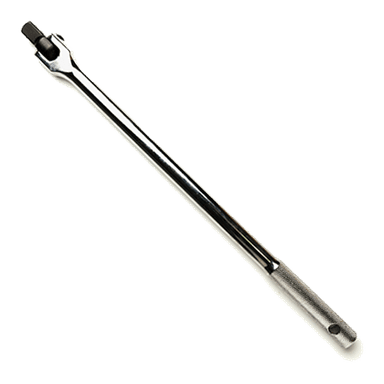
- Breaker bar (1/2")
- Torque wrench (1/2" drive, 50-250 ft-lbs range)
- Socket set (10mm-24mm, 1/2" drive)
- Wrench set (10mm-24mm)
- Pry bar (24")
- Ball joint separator (specialty)
- Hammer (2 lb)
- Paint marker
- Penetrating oil
- Bushing press kit (specialty)
- Hydraulic shop press (12-ton minimum) (specialty)
- Safety glasses
- Mechanic gloves
🔩 Required Parts
HowToo sells all the parts you need for this repair:
- Suspension bushing(s) - Qty: 1-4
- Control arm assembly - Qty: 1-2 (if choosing complete arm instead of pressing bushings)
- New suspension fasteners - Qty: as needed
- Anti-seize compound - Qty: 1
📋 Before You Begin
- Park on level ground, set the parking brake, and chock the rear wheels.
- Loosen the wheel lug nuts 1/2 turn using a 22mm lug socket and breaker bar before lifting.
- Spray visible suspension bolts/nuts with penetrating oil and wait 10-15 minutes.
- Quick check: decide if you’re pressing bushings or replacing the whole arm. Replacing the arm is usually easier for a first-timer.
🔨 Step-by-Step Instructions
Follow these steps in order:
Step 1: Confirm which bushing you’re doing
- Look at the part that’s worn (control arm, sway bar, track bar). Use a flashlight (from your phone is fine) and a paint marker to mark which side/location.
- If you tell me which one (front lower control arm rear bushing, sway bar end bushing, etc.), I’ll give you the exact, trim-correct steps.
Step 2: Lift and remove the wheel
- Lift at the correct jacking point using a floor jack, then set the SUV on jack stands.
- Remove the wheel using a 22mm lug socket and breaker bar.
Step 3: Unload the suspension
- Support the control arm/knuckle area with the floor jack so the suspension doesn’t drop when bolts come out.
- Tip: Small height changes make bolts slide out easier.
Step 4: Remove the component that holds the bushing
- Remove the mounting bolts/nuts using the correct socket and wrench from your sets.
- If a taper joint must separate, use a ball joint separator (specialty) and a hammer (2 lb).
- Important: take a photo of the part orientation before removal.
Step 5: Press the old bushing out
- Set the arm/component in a hydraulic shop press (12-ton minimum) (specialty).
- Use a bushing press kit (specialty) to support the housing and push the bushing out straight.
- Bushing press kit: a set of cups and adapters that push the bushing without bending the arm.
Step 6: Press the new bushing in
- Match the new bushing’s alignment marks (if any) and press it in using the hydraulic shop press (specialty) and bushing press kit (specialty).
- Use a paint marker to line up the bushing the same way as the original before pressing.
- Do not lubricate rubber bushings unless the instructions for that bushing say to.
Step 7: Reinstall the component
- Reinstall the arm/component bolts by hand first to avoid cross-threading.
- Snug bolts using your socket set and wrench set, but do not fully torque yet.
Step 8: Set suspension to ride height, then final torque
- Lower the vehicle onto ramps or support the suspension so it sits at normal ride height.
- Final-tighten all bushing pivot bolts using a torque wrench.
- Torque to OEM spec once you confirm which exact bushing/arm you’re replacing.
Step 9: Reinstall the wheel
- Install the wheel and hand-thread the lug nuts.
- Lower to the ground and tighten lug nuts using a torque wrench.
- Torque to 176 Nm (130 ft-lbs)
✅ After Repair
- Road test at low speed first; listen for clunks over small bumps.
- Re-check visible bolts for movement or shiny “shift marks.”
- Plan a 4-wheel alignment if any control arm or track bar was removed.
💰 DIY vs Shop Cost
Shop Cost: $500-$1,800 (parts + labor)
DIY Cost: $60-$600 (parts only)
You Save: $440-$1,200 by doing it yourself!
Shop labor rates vary but typically run $100-$150/hour. This repair takes a shop approximately 2-6 hours.
🎯 Ready to get started?
HowToo makes it easy: same-day/2-day shipping on every part, plus all the tools and specialty tools you need! Check out the parts and tools sections below to add everything to your cart.
Two quick questions so I can give you the exact OEM torque specs and the correct procedure
- Which bushings are you replacing on your Grand Cherokee: front lower control arm, front upper control arm, rear control arm, sway bar bushings, or track bar?
- Are you pressing bushings into your original arm, or replacing the entire control arm assembly?