









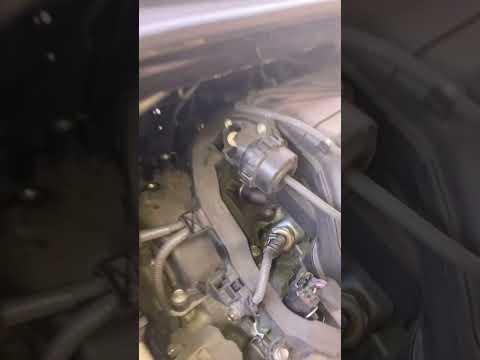




How to Replace Spark Plugs on a 2022 Toyota Highlander 3.5L V6
Step-by-step DIY spark plug change with tools, parts list, torque specs, safety tips, and cost savings for 2017, 2018, 2019, 2020, 2021, 2022
How to Replace Spark Plugs on a 2022 Toyota Highlander 3.5L V6
Step-by-step DIY spark plug change with tools, parts list, torque specs, safety tips, and cost savings for 2017, 2018, 2019, 2020, 2021, 2022


🔧 Highlander - Spark Plug Replacement
You’ll be replacing all six spark plugs on your Highlander’s V6. This will restore smooth running, fuel economy, and easy starting, especially as mileage climbs.
Difficulty Level: Intermediate (tight access at the back bank) | Estimated Time: 2–3 hours
⚠️ Safety & Precautions
- ⚠️ Work on a cool engine; hot parts can burn you and damage threads in the aluminum cylinder heads.
- ⚠️ Disconnect the negative battery terminal before unplugging ignition coils to avoid short circuits.
- ⚠️ Keep dirt out of the spark plug holes; anything that falls in can damage the engine.
- ⚠️ Never over-tighten spark plugs; the cylinder head is aluminum and can strip easily.
- ⚠️ Support the hood securely and keep tools clear of the windshield cowl and glass.
🔧 Required Tools
You'll need the following tools for this repair:
- 3/8" drive ratchet
- 1/4" drive ratchet
- 10mm socket
- 12mm socket
- 14mm thin-wall spark plug socket (magnetic or with rubber insert)
- 3/8" drive extension 6"
- 3/8" drive extension 10–12"
- 3/8" drive universal joint (swivel adapter)
- Torque wrench 3/8" drive (5–60 Nm range)
- Flat-blade trim tool or plastic pry tool
- Needle-nose pliers
- Shop vacuum with small nozzle
- Clean rag set
- Dielectric grease (ignition-safe)
- Anti-seize compound (optional, very small amount if used)
- Fender cover or thick towel
- Mechanic’s gloves
- Safety glasses
🔩 Required Parts
HowToo sells all the parts you need for this repair:
- Iridium spark plugs (Toyota-spec Denso type for 2GR-FKS) - Qty: 6
- Ignition coil boots - Qty: 6 (optional but recommended if original)
- Throttle body gasket - Qty: 1 (if removed for access)
- Plastic cowl panel clips - Qty: 4–6 (in case any break on removal)
- Battery terminal cleaning pads - Qty: 1 (optional)
- Shop towels - Qty: 1 pack
- Electrical contact cleaner spray - Qty: 1 (optional for dirty connectors)
📋 Before You Begin
- Park the Highlander on a flat surface, shift to Park, and set the parking brake.
- Let the engine cool completely; at least 45–60 minutes after driving.
- Open the hood and install your fender cover or towel to protect paint.
- Use a 10mm socket to loosen the nut on the negative battery terminal and remove the cable from the post; tuck it aside so it cannot spring back.
- Lay out the new spark plugs and verify you have six, all the same part number.
- Check plug gaps lightly with a feeler gauge or gap tool; they should match Toyota spec. Do not pry iridium center electrodes.
🔨 Step-by-Step Instructions
Follow these steps in order:
Step 1: Remove engine cover
- Grab the plastic engine cover at the sides near the front.
- Pull straight up firmly to pop the cover off its rubber mounts.
- Lift the cover out and set it aside somewhere safe.
Step 2: Understand the layout (front vs rear bank)
- The V6 has three cylinders at the front (easy access) and three at the rear near the windshield (tighter access).
- Each cylinder has one ignition coil on top; a coil is a black plastic part with an electrical connector and a long boot going down to the plug.
- We’ll do the easier front bank first so you get practice.
Step 3: Remove intake duct (for space)
- Use a 10mm socket to loosen the clamp at the throttle body side of the air intake tube.
- Loosen the clamp at the air filter box with the same 10mm socket.
- Unclip or gently pull off any small hoses or resonators attached to the tube (remember where they go).
- Lift the intake tube off and set it aside. This gives you more room to reach the front coils.
Step 4: Unplug and remove front ignition coils (Bank 1)
- Working on one coil at a time prevents mix-ups.
- Press the small plastic tab on the coil’s electrical connector with your thumb and pull the connector straight off. Use needle-nose pliers gently if the tab is stiff.
- Use a 10mm socket and 1/4" ratchet to remove the single bolt holding the coil down. Keep the bolt in a safe spot.
- Grip the coil and twist it slightly to break the seal, then pull it straight up to remove it.
- Inspect the rubber boot for cracks, oil, or carbon tracking (black lines). Replace the boot if damaged.
Step 5: Clean around the spark plug wells
- Use your shop vacuum with a small nozzle to vacuum around the plug hole.
- This removes sand and dust so it doesn’t fall into the cylinder when the plug comes out.
- Take your time here; cleanliness really matters.
Step 6: Remove the front spark plugs
- Attach the 14mm spark plug socket to your 6" extension and 3/8" ratchet.
- Lower the socket straight down into the plug well until it seats on the plug.
- Turn counterclockwise to loosen. It may be snug at first, then should turn smoothly.
- Once loose, spin it out by hand using the extension only, then pull the plug up with the socket.
- Set the old plug aside in order so you can compare all six later.
Step 7: Prepare and install new front spark plugs
- If you choose to use anti-seize compound, apply a tiny smear to the threads only. Too much can affect torque readings.
- Install the new plug in the 14mm spark plug socket so it’s held by the rubber or magnet.
- Lower it carefully into the well and begin threading it by hand only, using the extension without the ratchet.
- Turn it clockwise gently. It should spin in easily. If you feel resistance quickly, back out and start again to avoid cross-threading.
- Once hand-tight, attach the ratchet and torque wrench to the extension.
- Use the torque wrench to tighten to 18 Nm (13 ft-lbs).
- Always use a torque wrench on spark plugs.
Step 8: Reinstall front ignition coils
- Put a small dab of dielectric grease inside the tip of the coil boot (where it meets the plug). This helps sealing and future removal.
- Lower the coil straight down onto the plug until fully seated.
- Install the 10mm bolt by hand, then tighten with a 10mm socket and 1/4" ratchet.
- If you have an inch-pound torque wrench, tighten coil bolts to about 9 Nm (80 in-lbs). Otherwise, snug plus a small extra turn is enough.
- Reconnect the coil electrical connector; it should click into place.
- Repeat Steps 4–8 for the other two front cylinders.
Step 9: Gain access to rear bank (near firewall)
- The rear three plugs sit closer to the windshield under some wiring and possibly the wiper cowl area.
- On this engine, you can reach them without removing the intake manifold, but space is tight.
- Remove any small plastic covers at the back of the engine with your flat-blade trim tool by gently prying up clips.
- You may need to unclip a wiring harness or hose bracket (usually held by plastic clips or a 10mm bolt) and move it slightly aside for room. Use a 10mm socket where needed.
- Take pictures with your phone so you remember clip positions.
Step 10: Remove rear ignition coils
- Again, do one cylinder at a time.
- Unplug the coil connectors by pressing the tab and pulling straight back. Use needle-nose pliers gently if needed.
- Use a 10mm socket and 1/4" ratchet to remove the coil bolts.
- Wiggle and pull the coils out. Space is tight, so you may need to angle them slightly.
Step 11: Remove rear spark plugs
- Use the 14mm spark plug socket with a 10–12" extension and a universal joint if needed to reach each plug straight on.
- Vacuum around each plug hole first with the shop vacuum.
- Break the plug loose with the ratchet, then remove it by hand as you did on the front bank.
- Pull the plug out and inspect for any oil or coolant traces. If you see fluids, that’s a separate issue to address later.
Step 12: Install new rear spark plugs
- Prepare each new plug the same way as the front: optional tiny smear of anti-seize on threads only.
- Place the plug in the 14mm spark plug socket, attach to the long extension (and universal joint if needed).
- Carefully lower it into the plug well, keeping everything as straight as possible.
- Thread by hand only at first. You should feel it turn smoothly several turns with no binding.
- Use the torque wrench to tighten each rear plug to 18 Nm (13 ft-lbs).
Step 13: Reinstall rear ignition coils and clips
- Add a small dab of dielectric grease inside each coil boot tip.
- Seat each coil fully on its plug.
- Install the 10mm hold-down bolts and snug them with the 10mm socket (about 9 Nm (80 in-lbs) if you can measure).
- Reconnect each coil connector until it clicks.
- Reattach any wiring harness clips, brackets, or small covers you removed earlier using the 10mm socket and trim tool.
Step 14: Reinstall intake duct and engine cover
- Reinstall the intake tube between the air filter box and throttle body.
- Slip the tube fully onto both ends, then tighten both clamps with the 10mm socket. They should be snug but not crushing.
- Reconnect any small hoses or resonators you removed earlier.
- Position the engine cover over its mounting points and press down firmly to snap it back into place.
Step 15: Reconnect the battery and initial start
- Reattach the negative battery cable to the terminal and tighten the nut with a 10mm socket so it’s snug and secure.
- Turn the ignition to ON (without starting) for a few seconds, then to OFF, then start the engine.
- The engine may idle slightly rough for a short time while the computer relearns, but it should quickly smooth out.
- If it misfires badly, shut off and recheck all coil connectors.
✅ After Repair
- Let the engine idle for a few minutes; listen for smooth, even running and check the dash for any warning lights.
- Blip the throttle gently a few times to ensure there’s no hesitation.
- Take a short, gentle test drive, paying attention to acceleration and idle at stops.
- If the Check Engine Light comes on, have the codes read; often a loose coil connector or plug wire is the cause after this job.
- Over the next few drives, you should notice smoother running and possibly better fuel economy.
💰 DIY vs Shop Cost
Shop Cost: $350–$550 (parts + labor)
DIY Cost: $80–$140 (parts only, depending on plug brand)
You Save: $210–$470 by doing it yourself!
Shop labor rates vary but typically run $100–$150/hour. This repair takes a shop approximately 1.5–2.0 hours.
🎯 Ready to get started?
HowToo makes it easy: same-day/2-day shipping on every part, plus all the tools and specialty tools you need! Check out the parts and tools sections above to add everything to your cart.