









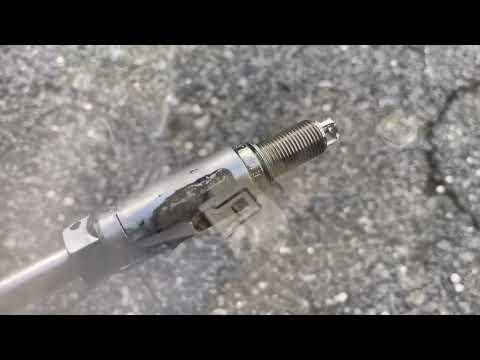






How to Replace Spark Plugs on a 2021 Toyota Tacoma 3.5L V6
Step-by-step DIY spark plug change with tools, parts list, torque specs, safety tips, and post-repair checks
How to Replace Spark Plugs on a 2021 Toyota Tacoma 3.5L V6
Step-by-step DIY spark plug change with tools, parts list, torque specs, safety tips, and post-repair checks


🔧 Tacoma - Spark Plug Replacement
You'll be replacing all six spark plugs on your Tacoma’s V6. This restores smooth running, power, and fuel economy and helps prevent misfires as plugs wear out.
Difficulty Level: Intermediate | Estimated Time: 1.5–3 hours
⚠️ Safety & Precautions
- 🔹Always work on a cold engine; hot aluminum cylinder heads can be damaged more easily.
- 🔹Turn the ignition off and remove the key; wait at least 5 minutes so electronics go to sleep.
- 🔹Disconnect the negative battery cable to avoid accidental short circuits or check-engine lights while unplugging coils.
- 🔹Do not use anti-seize on new Toyota spark plugs; they are coated from the factory and anti-seize can cause over-tightening.
- 🔹Blow or wipe away dirt around coil areas before removing plugs so debris does not fall into the cylinders.
🔧 Required Tools
You'll need the following tools for this repair:
- 🔹3/8" drive ratchet
- 🔹3/8" drive torque wrench (5–30 ft-lbs range)
- 🔹14mm spark plug socket (thin-wall, with rubber insert) (specialty)
- 🔹3/8" drive 6" extension
- 🔹3/8" drive 3" extension
- 🔹10mm socket
- 🔹12mm socket
- 🔹1/4" drive ratchet
- 🔹Phillips #2 screwdriver
- 🔹Flathead screwdriver (small)
- 🔹Needle-nose pliers
- 🔹Compressed air can or small hand air pump
- 🔹Feeler gauge set (for checking spark plug gap)
- 🔹Work light
- 🔹Mechanic’s gloves
- 🔹Safety glasses
- 🔹Magnetic pickup tool
- 🔹Fender cover or clean towel
🔩 Required Parts
HowToo sells all the parts you need for this repair:
- 🔹Iridium spark plugs (Toyota 2GR-FKS spec, 0.043" gap) - Qty: 6
- 🔹Dielectric grease (for coil boot interiors) - Qty: 1 small tube
- 🔹Throttle body/intake cleaner (sensor-safe) - Qty: 1 (optional, for light cleaning if needed)
- 🔹Replacement plastic intake clips or push-pins - Qty: 2–4 (optional, in case any break)
- 🔹Battery terminal cleaning brush - Qty: 1 (optional)
📋 Before You Begin
- 🔹Park on level ground, set the parking brake, and put the transmission in gear (or in 1st) with wheels chocked.
- 🔹Open the hood and let the engine cool for at least 45–60 minutes if it was running.
- 🔹Locate the battery and loosen the negative terminal nut with a 10mm socket, then remove and secure the cable away from the post.
- 🔹Lay a fender cover or towel over the front fenders to protect paint while you lean in.
🔨 Step-by-Step Instructions
Follow these steps in order:
Step 1: Remove Engine Cover
- 🔹The plastic engine cover lifts off; first remove any visible 10mm nuts or clips with a 10mm socket or Phillips #2 screwdriver (some are just push-on).
- 🔹Gently pull the cover straight up; it is held by rubber grommets. Set it aside.
- 🔹Use the compressed air can to blow loose dust away from ignition coil areas. Keep nozzle several inches away.
Step 2: Access the Passenger-Side Bank (Right Side)
- 🔹On your Tacoma, three cylinders are on the passenger side and easier to reach. Identify the three ignition coils (small black units with a connector, one per cylinder).
- 🔹Unclip any small wire harness retainers on the coil harness, using a flathead screwdriver or needle-nose pliers to gently pry the tabs.
- 🔹Blow compressed air again around each coil top to keep debris out.
Step 3: Disconnect and Remove the First Ignition Coil
- 🔹Press down on the tab of the electrical connector and pull it straight off the coil by hand. If it’s stubborn, use a flathead screwdriver gently on the tab.
- 🔹Remove the coil hold-down bolt with a 10mm socket and 1/4" drive ratchet.
- 🔹Twist the coil gently and pull it straight up to remove it from the spark plug well.
- 🔹Inspect the coil boot for oil or cracking; note anything unusual.
Step 4: Remove the Old Spark Plug
- 🔹Insert the 14mm spark plug socket on a 6" extension and 3/8" ratchet down into the spark plug well.
- 🔹Turn counterclockwise to loosen the spark plug. It may feel snug at first; keep steady, smooth pressure.
- 🔹Once loose, spin it out by hand using just the extension, then pull the plug out; the rubber in the socket should hold it. If it drops, use the magnetic pickup tool.
- 🔹Check the old plug for heavy wear, oil, or damage and compare to the new plug.
Step 5: Check and Prepare the New Spark Plug
- 🔹Using a feeler gauge set, verify the gap is about 0.043" (1.1 mm), which is Toyota spec for the 2GR-FKS.
- 🔹If adjustment is needed, gently bend only the ground strap, not the center electrode. Small changes only; plug is pre-gapped.
- 🔹Do not apply anti-seize to the threads; Toyota’s plated threads are installed dry.
- 🔹You can add a tiny smear of dielectric grease inside the coil boot end (not on plug threads or electrode).
Step 6: Install the New Spark Plug
- 🔹Place the new spark plug into the 14mm spark plug socket, making sure the rubber insert holds it straight.
- 🔹Carefully lower it into the cylinder head and start turning the extension by hand clockwise to thread it in. It should turn easily for several turns.
- 🔹Once hand-tight, attach the 3/8" ratchet and snug it.
- 🔹Using the torque wrench with the plug socket and extension, tighten to 24 Nm (18 ft-lbs).
- 🔹If you don’t have a torque wrench, tighten until it seats, then about an additional 1/16–1/8 turn. Tight, but never forced.
Step 7: Reinstall the Ignition Coil
- 🔹Push the coil boot straight down onto the new plug until fully seated.
- 🔹Install the hold-down bolt with a 10mm socket and 1/4" ratchet.
- 🔹Torque the coil bolt to 9 Nm (80 in-lbs) using the torque wrench if possible.
- 🔹Reconnect the electrical connector until it clicks in place.
Step 8: Repeat for the Other Two Passenger-Side Cylinders
- 🔹Repeat Steps 3–7 for the remaining two coils and plugs on the passenger side.
- 🔹Work one cylinder at a time so you don’t mix up connectors.
- 🔹Re-clip any wiring harness retainers you opened earlier.
Step 9: Access the Driver-Side Bank (Left Side)
- 🔹The three driver-side plugs are partially under the intake duct and nearby components.
- 🔹Loosen the intake tube clamps at the air box and throttle body using a Phillips #2 screwdriver or the appropriate socket (usually 8mm, but use the clamp’s visible head size if different).
- 🔹Disconnect any small hoses or clips attached to the intake tube (only what’s needed) by hand or with needle-nose pliers.
- 🔹Lift the intake tube out of the way and set it aside where it won’t get stepped on. Remember hose routing for reassembly.
Step 10: Remove Driver-Side Coils
- 🔹Locate the three ignition coils on the driver side, now more exposed.
- 🔹Unclip electrical connectors by pressing the tab and pulling straight off.
- 🔹Remove each coil’s 10mm bolt with a 10mm socket and 1/4" ratchet, then pull coils out as before.
- 🔹Again, blow compressed air around the wells before removing coils if there is visible dust.
Step 11: Replace Driver-Side Spark Plugs
- 🔹For each driver-side cylinder, repeat Steps 4–7:
- 🔹Remove old plug with the 14mm spark plug socket and extension.
- 🔹Check new plug gap with the feeler gauge (~0.043").
- 🔹Install by hand first, then torque each to 24 Nm (18 ft-lbs) with the torque wrench.
- 🔹Reinstall coils, torque each coil bolt to 9 Nm (80 in-lbs), and reconnect connectors.
Step 12: Reinstall Intake Tube and Engine Cover
- 🔹Reposition the intake tube between the air box and throttle body.
- 🔹Reconnect any hoses or clips you removed, making sure they are fully seated.
- 🔹Tighten the intake tube clamps with the Phillips #2 screwdriver or appropriate socket. Snug, not stripped.
- 🔹Reinstall the engine cover by lining up the grommets and pressing straight down. Refit any 10mm nuts or clips using a 10mm socket or Phillips #2 screwdriver.
Step 13: Reconnect Battery and Initial Start
- 🔹Reconnect the negative battery cable and tighten the clamp nut with a 10mm socket.
- 🔹Turn the ignition to ON for a few seconds, then start the engine.
- 🔹The engine may idle slightly rough for a few seconds as the ECU relearns, then it should smooth out.
- 🔹Listen for any misfires (shaking, stumbling) or hissing air leaks around the intake tube.
✅ After Repair
- 🔹Let the engine idle for 5–10 minutes and watch for warning lights. A stable idle and no check-engine light is what you want.
- 🔹Take a short, gentle test drive: light acceleration, then a few moderate pulls to feel for smooth power.
- 🔹If you have a scan tool, check for stored or pending trouble codes and clear any old misfire codes.
- 🔹Recheck under the hood after the drive to confirm all connectors, hoses, and clamps are still firmly attached.
💰 DIY vs Shop Cost
Shop Cost: $350–$550 (parts + labor)
DIY Cost: $60–$120 (parts only)
You Save: $230–$490 by doing it yourself!
Shop labor rates vary but typically run $100–$150/hour. This repair takes a shop approximately 1.5–2.0 hours.
🎯 Ready to get started?
HowToo makes it easy: same-day/2-day shipping on every part, plus all the tools and specialty tools you need! Check out the parts and tools sections below to add everything to your cart.