















How to Replace Spark Plugs on a 2020 Ram 1500 Classic 5.7L HEMI
Step-by-step DIY spark plug change with tools, parts list, torque specs, safety tips, and pro installation tricks for 2019, 2020, 2021, 2022, 2023, 2024
How to Replace Spark Plugs on a 2020 Ram 1500 Classic 5.7L HEMI
Step-by-step DIY spark plug change with tools, parts list, torque specs, safety tips, and pro installation tricks for 2019, 2020, 2021, 2022, 2023, 2024


1500 Classic - Spark Plug Replacement 🔧
Your 5.7 HEMI uses 16 spark plugs (2 per cylinder). I’ll walk you through it step by step, beginner-friendly.
Tools & Parts You’ll Need 🧰
- 🔧 Parts
- 16x spark plugs, OEM-spec for 2020 5.7 HEMI (usually NGK or Champion, copper or iridium depending on spec).
- Optional: small packet of dielectric grease (non-conductive grease for electrical boots).
- Optional: small packet of anti-seize (only if plug manufacturer allows it; many say do not use).
- 🔧 Tools
- 3/8" ratchet (standard hand wrench with a square drive).
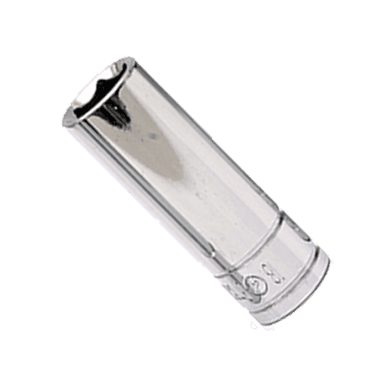
- 5/8" spark plug socket with rubber insert or magnet.
- 3" and 6" extensions for the ratchet.
- 10 mm socket (for coil pack bolts).
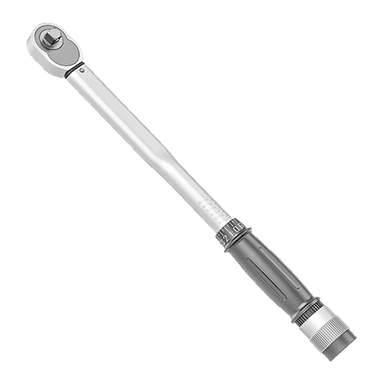
- Torque wrench (3/8" drive, capable of 10–25 ft-lb).
- Flat trim tool or flat screwdriver (to gently release clips if needed).
- Compressed air or a clean brush (to clean around plugs).
- Gloves and safety glasses.
Key Specs & Important Info 📏
- 🔩 Number of plugs: 16 (2 per cylinder).
- 🔩 Coil pack bolts: ~8 N·m (71 in-lb) – snug, not very tight.
- 🔩 Spark plug torque (5.7 HEMI, tapered seat plugs):
- With clean, dry threads: typically 13–15 ft-lb.
- If plug maker says to use anti-seize, reduce torque by ~20%.
- 📏 Gap: Use the gap specified on the plug box / Ram spec (often around 0.043"–0.044", but always confirm for the exact plug number).
Safety First ⚠️
- 🛑 Work on a cold engine. The aluminum heads can be damaged if you remove/install plugs when hot.
- 🛑 Disconnect the negative battery terminal (10 mm) to avoid accidental shorts or check-engine lights while unplugging coils.
- 🛑 Keep tools and hardware out of the engine bay; a dropped bolt can be a pain to retrieve.
Step 1 – Access the Top of the Engine 🧱
- 🔧 If you have a plastic engine cover:
- Gently pull up at the corners; it’s held by rubber grommets.
- Lift it off and set aside.
- 🔧 Make sure you have good light on both sides of the engine; you’ll be working along the valve covers.
Step 2 – Understand the Coil & Plug Layout 🧠
- 🔧 Each cylinder has:
- 1x coil pack (black unit with an electrical connector).
- 2x spark plugs under that coil (the coil fires both plugs).
- 🔧 You’ll remove one coil at a time, then remove the two plugs for that cylinder, then reinstall with new plugs. This keeps things organized.
Step 3 – Disconnect Battery 🔋
- 🔧 Use a 10 mm wrench or socket.
- 🔧 Loosen the negative (-) terminal clamp and move the cable aside so it can’t spring back.
Step 4 – Remove First Coil Pack (Start on One Side) 🔌
- 🔧 Pick a cylinder (front on passenger side is a good start).
- 🔧 On the coil:
- Press the tab on the electrical connector and pull the connector straight off. If stuck, gently pry the tab with a small flat screwdriver.
- Remove the 10 mm bolt holding the coil to the valve cover.
- Twist the coil slightly to break the seal, then pull it straight up. This exposes the two plug holes.
Step 5 – Clean Around Plug Holes 🧼
- 🔧 Use compressed air or a small brush to blow/brush out any dirt around the plug wells.
- 🔧 This prevents debris from falling into the cylinder when you remove the plugs.
Step 6 – Remove the Old Spark Plugs 🧲
- 🔧 Attach your 5/8" spark plug socket to an extension and ratchet.
- 🔧 Carefully lower the socket into the first plug hole until you feel it seat on the plug.
- 🔧 Turn counterclockwise to loosen. If it feels very tight:
- Do not force it suddenly. Apply steady pressure.
- If it squeaks, stop, turn slightly back in, then out again. This helps avoid thread damage.
- 🔧 Once loose, spin it out by hand with the extension and pull the plug up with the socket.
- 🔧 Repeat for the second plug in that cylinder (same coil location, second hole).
- 🔧 Keep the old plugs in order if you want to inspect them later (color, wear, oil, etc.).
Step 7 – Check and Prepare New Plugs 🆕
- 🔧 Use a spark plug gap tool (simple round or wire gauge) to check the gap on each new plug.
- 🔧 Adjust gently if needed:
- Bend only the ground strap (the small L-shaped arm), not the center electrode.
- 🔧 If the plug manufacturer says no anti-seize, install them dry. Many modern plugs are pre-coated.
- 🔧 If allowed and you choose to use anti-seize, apply a very thin film on the threads only, avoiding the tip.
Step 8 – Install New Spark Plugs 🔩
- 🔧 Start each plug by hand:
- Put the plug in the socket, lower it into the hole.
- Turn the extension by hand clockwise several turns. It should thread in smoothly.
- If it resists or feels cross-threaded, stop, back it out, and start again.
- 🔧 Once finger-tight, attach the torque wrench and tighten to about 13–15 ft-lb (or the exact spec on the plug/engine data if provided).
- 🔧 Repeat for the second plug in that cylinder.
Step 9 – Reinstall Coil Pack 🔁
- 🔧 Inspect the coil boot (the rubber tube that goes over the plug). If it’s cracked or very hard, it’s a good time to replace the coil or boot.
- 🔧 Optional: put a tiny dab of dielectric grease inside the boot opening to help sealing and future removal.
- 🔧 Push the coil straight down over the plugs until fully seated.
- 🔧 Reinstall the 10 mm bolt and snug it to about 8 N·m (71 in-lb) – just firm, don’t crank on it.
- 🔧 Plug the electrical connector back in until it clicks.
Step 10 – Repeat for All Cylinders 🔄
- 🔧 Move cylinder by cylinder along one side, then the other:
- Remove coil → remove 2 plugs → install 2 new plugs → reinstall coil.
- 🔧 Take your time; doing all 16 plugs can be a bit long but very doable.
- 🔧 Some rear cylinders are tighter for access; use different extension lengths to make it easier.
Step 11 – Reassemble & Reconnect 🔚
- 🔧 If removed, reinstall the plastic engine cover by lining up the grommets and pressing down.
- 🔧 Reconnect the negative battery terminal and tighten the 10 mm nut snugly.
Step 12 – First Start & Check ✅
- 🔧 Start your 1500 Classic.
- 🔧 It may crank a second longer than usual the first time; then it should settle into a smooth idle.
- 🔧 Check:
- No misfire or shaking.
- No check engine light.
- No loose connectors or tools left in the bay.
Tips & Tricks 💡
- 🧰 Do one coil/cylinder at a time so you never mix connectors or bolts.
- 🧰 A magnetic pickup tool is handy if you drop a bolt.
- 🧰 If you ever get a check engine light after the job, double-check that every coil connector is fully clicked in.
If you tell me which spark plug brand/part number you plan to use, I can confirm the correct gap and torque for that exact plug.
HowToo makes it easy: below this answer you’ll see recommended spark plugs, dielectric grease, a proper spark plug socket, and a torque wrench you can add to your cart with same-day/2-day shipping.