













How to Replace Spark Plugs on a 2019 Toyota Camry 3.5L V6
Step-by-step DIY spark plug change with tools, parts list, torque specs, safety tips, and cost savings
How to Replace Spark Plugs on a 2019 Toyota Camry 3.5L V6
Step-by-step DIY spark plug change with tools, parts list, torque specs, safety tips, and cost savings


🔧 Camry - Spark Plug Replacement
You’ll be replacing all six spark plugs on your Camry’s 3.5L V6. The front three are easy to reach; the rear three require removing the upper intake manifold for access.
Difficulty Level: Intermediate | Estimated Time: 3-4 hours (first time)
⚠️ Safety & Precautions
- ⚠️ Work only on a completely cool engine to avoid burns.
- ⚠️ Disconnect the negative battery terminal so the engine cannot start while you work.
- ⚠️ Keep dirt out of the spark plug holes and intake ports; dropped debris can damage the engine.
- ⚠️ When the intake manifold is off, never drop anything into the open intake ports.
- ⚠️ Use a torque wrench; over-tightening spark plugs or manifold bolts can strip aluminum threads.
🔧 Required Tools
You'll need the following tools for this repair:
- 🛠️ 10mm socket
- 🛠️ 12mm socket
- 🛠️ 14mm socket
- 🛠️ Spark plug socket 14mm (thin-wall, with rubber insert)
- 🛠️ 3/8" drive ratchet
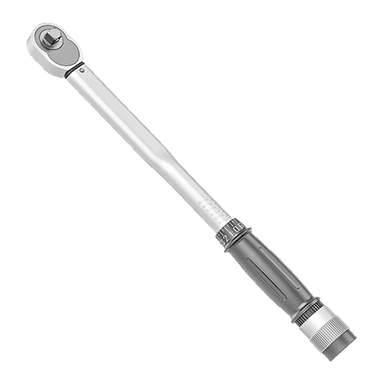
- 🛠️ 3/8" drive torque wrench (5-80 ft-lb range)
- 🛠️ 3" extension (3/8" drive)
- 🛠️ 6" extension (3/8" drive)
- 🛠️ Phillips screwdriver
- 🛠️ Flathead screwdriver (medium)
- 🛠️ Needle-nose pliers
- 🛠️ Trim clip remover tool (specialty)
- 🛠️ Pick tool set (specialty)
- 🛠️ Magnetic pickup tool
- 🛠️ Shop light or headlamp
- 🛠️ Clean rags
- 🛠️ Small handheld mirror
- 🛠️ Funnel (small)
- 🛠️ OBD2 scan tool (basic)
- 🛠️ Safety glasses
- 🛠️ Mechanic gloves
🔩 Required Parts
HowToo sells all the parts you need for this repair:
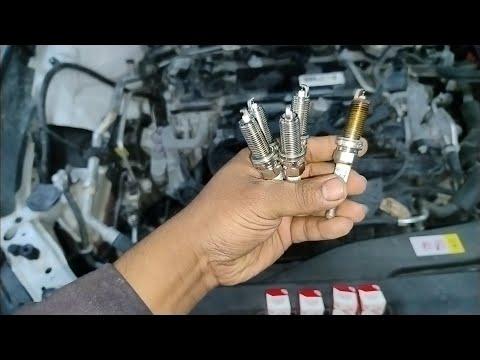
- 🔩 Iridium spark plugs (correct for 3.5L V6 2GR-FKS) - Qty: 6
- 🔩 Upper intake manifold gasket set - Qty: 1
- 🔩 Throttle body gasket - Qty: 1
- 🔩 Small hose clamps (if any old clamps are damaged) - Qty: 2-4
- 🔩 Dielectric grease (for ignition coil boots) - Qty: 1 tube
- 🔩 Throttle body cleaner spray - Qty: 1 can
- 🔩 Shop towels - Qty: 1 pack
📋 Before You Begin
- Park the Camry on level ground, shift to Park, and set the parking brake.
- Open the hood and support it with the prop rod.
- Note: Your engine is the 3.5L V6 2GR-FKS; access to the rear plugs requires removing the upper intake manifold.
- Disconnect the negative battery cable: use the 10mm socket to loosen the clamp on the negative (black) terminal and move the cable aside.
- Take a few photos before unplugging hoses and connectors so you can match them during reassembly.
🔨 Step-by-Step Instructions
Follow these steps in order:
Step 1: Remove engine cover
- Use your hands to lift the plastic engine cover straight up; it’s held by rubber grommets.
- If it feels stuck, gently pry under the edges with the flathead screwdriver, but don’t crack the cover.
- Set the cover aside somewhere safe.
Step 2: Unplug intake and move air duct (for more room)
- Locate the big plastic tube going from the air filter box to the throttle body (front-center of engine).
- Use the flathead screwdriver to loosen the metal hose clamps at each end of this tube.
- Unclip any small hoses or electrical connectors on the tube using your fingers or the pick tool set.
- Gently pull the tube off and set it aside.
Step 3: Disconnect sensors and hoses on the intake manifold
- The upper intake manifold is the black plastic piece on top of the engine with several runners.
- Unplug the electrical connectors on the manifold and throttle body using your fingers or pick tool set to lift locking tabs.
- Use needle-nose pliers or fingers to carefully release any vacuum hoses or PCV hoses from the manifold.
- Label hoses with tape if you’re unsure.
Step 4: Remove the throttle body (optional but gives more space)
- Use a 10mm socket and ratchet to remove the bolts holding the throttle body to the intake manifold.
- Carefully pull the throttle body away and gently rest it aside with hoses still attached.
- Remove the old throttle body gasket by hand and clean the mounting surface with a clean rag.
Step 5: Unbolt upper intake manifold
- Use a 12mm socket, extension, and ratchet to remove all visible bolts and nuts securing the upper intake manifold.
- There are also a few bolts in the middle area; use the small handheld mirror and shop light to find them.
- Keep bolts organized in a small container so you don’t lose them.
Step 6: Lift off the upper intake manifold
- Gently lift the manifold straight up by hand; if it feels stuck, check for any missed bolts or hoses before forcing it.
- Once free, flip it over and place it on a clean surface.
- Cover the open intake ports on the engine with clean rags so nothing can fall in.
Step 7: Remove the old intake manifold gaskets
- Pull the old rubber gaskets out of the grooves on the underside of the intake manifold by hand.
- Wipe the grooves clean with a clean rag.
- Install the new manifold gaskets from your kit, pressing them firmly into the grooves.
Step 8: Access the ignition coils (front bank)
- On the front side of the engine (toward the radiator), locate the three ignition coils—small black units sitting on top of the valve cover with connectors.
- Unplug each coil’s electrical connector by pressing the tab with your finger or using the pick tool set gently.
- Use a 10mm socket and ratchet to remove the single bolt holding each coil.
- Carefully pull each coil straight up and out; twist gently if stuck.
Step 9: Remove front spark plugs
- Insert the spark plug socket 14mm with a 3" extension and ratchet down into the first spark plug tube.
- Turn counterclockwise to loosen the spark plug and remove it; the rubber insert in the socket will hold the plug.
- Repeat for the remaining two front plugs.
- Inspect the old plugs briefly; very worn or oily plugs can indicate engine issues.
Step 10: Install front spark plugs
- Check that each new spark plug’s gap is close to spec (about 1.1 mm / 0.044 in); iridium plugs usually come pre-gapped.
- Place a new plug into the spark plug socket 14mm and extension, then lower it gently into the hole.
- Thread the plug by hand only (turn the extension with fingers) to avoid cross-threading.
- Once finger-tight, use the ratchet to snug it, then finish with the torque wrench: Torque to 24 Nm (18 ft-lbs).
- Repeat for the remaining two front plugs.
Step 11: Reinstall front ignition coils
- Apply a tiny dab of dielectric grease inside each coil boot with your finger.
- Push each coil straight down onto its spark plug until fully seated.
- Install the 10mm coil bolts using the 10mm socket and ratchet, then snug them with the torque wrench: Torque to 9 Nm (80 in-lbs).
- Reconnect all three coil connectors by hand until they click.
Step 12: Access rear ignition coils
- With the intake manifold removed and intake ports still covered by rags, you can now see the three rear ignition coils near the firewall.
- Unplug each coil connector using fingers or the pick tool set.
- Use the 10mm socket and ratchet to remove the coil bolts.
- Pull the rear coils straight up and out carefully.
Step 13: Remove and install rear spark plugs
- Use the spark plug socket 14mm, 6" extension, and ratchet to remove each of the three rear spark plugs.
- As before, install each new plug by hand-threading first to avoid cross-threading.
- Once each plug is finger-tight, use the torque wrench: Torque to 24 Nm (18 ft-lbs).
- Apply a small dab of dielectric grease inside each rear coil boot, reinstall coils, and torque their 10mm bolts: Torque to 9 Nm (80 in-lbs).
- Reconnect all rear coil connectors by hand until they click.
Step 14: Reinstall intake manifold
- Remove the rags from the intake ports and double-check nothing fell inside.
- Carefully lower the upper intake manifold back into position by hand, lining up the bolt holes.
- Install all manifold bolts and nuts finger-tight using the 12mm socket and extension.
- Then tighten evenly in a crisscross pattern with the torque wrench: Torque to 25 Nm (18 ft-lbs).
Step 15: Reinstall throttle body and intake tube
- Install the new throttle body gasket on the manifold.
- Position the throttle body, install the 10mm bolts using the 10mm socket and ratchet, and then torque: Torque to 9 Nm (80 in-lbs).
- Reinstall the plastic intake tube between the air box and throttle body, sliding it onto both ends.
- Tighten the clamps using the flathead screwdriver.
Step 16: Reconnect hoses and connectors
- Reconnect all electrical connectors you removed earlier by hand until they click.
- Reconnect all vacuum and PCV hoses by pushing them onto their fittings; use needle-nose pliers to reinstall any hose clamps.
- Double-check with your earlier photos to make sure everything is back in the right place.
Step 17: Reinstall engine cover and reconnect battery
- Place the plastic engine cover back on top and press down by hand until it snaps into its rubber grommets.
- Reconnect the negative battery terminal using the 10mm socket and ratchet and tighten the clamp snugly.
✅ After Repair
- Start the engine and let it idle; it should run smoothly without misfires or warning lights.
- If the idle is rough or you see a Check Engine Light, use the OBD2 scan tool to read any codes and recheck coil connectors and hoses.
- Take a short test drive, checking for smooth acceleration and no hesitation.
- After the drive, shut the engine off and visually inspect the engine bay for any loose hoses or connectors.
💰 DIY vs Shop Cost
Shop Cost: $450-$750 (parts + labor)
DIY Cost: $80-$160 (parts only, depending on plug brand and gasket kit)
You Save: $370-$590 by doing it yourself!
Shop labor rates vary but typically run $100-$150/hour. This repair takes a shop approximately 2-3 hours.
🎯 Ready to get started?
HowToo makes it easy: same-day/2-day shipping on every part, plus all the tools and specialty tools you need! Check out the parts and tools sections above to add everything to your cart.